Solar Flare Triggers Radio Blackouts, CME May Spark Northern Lights
The Gist
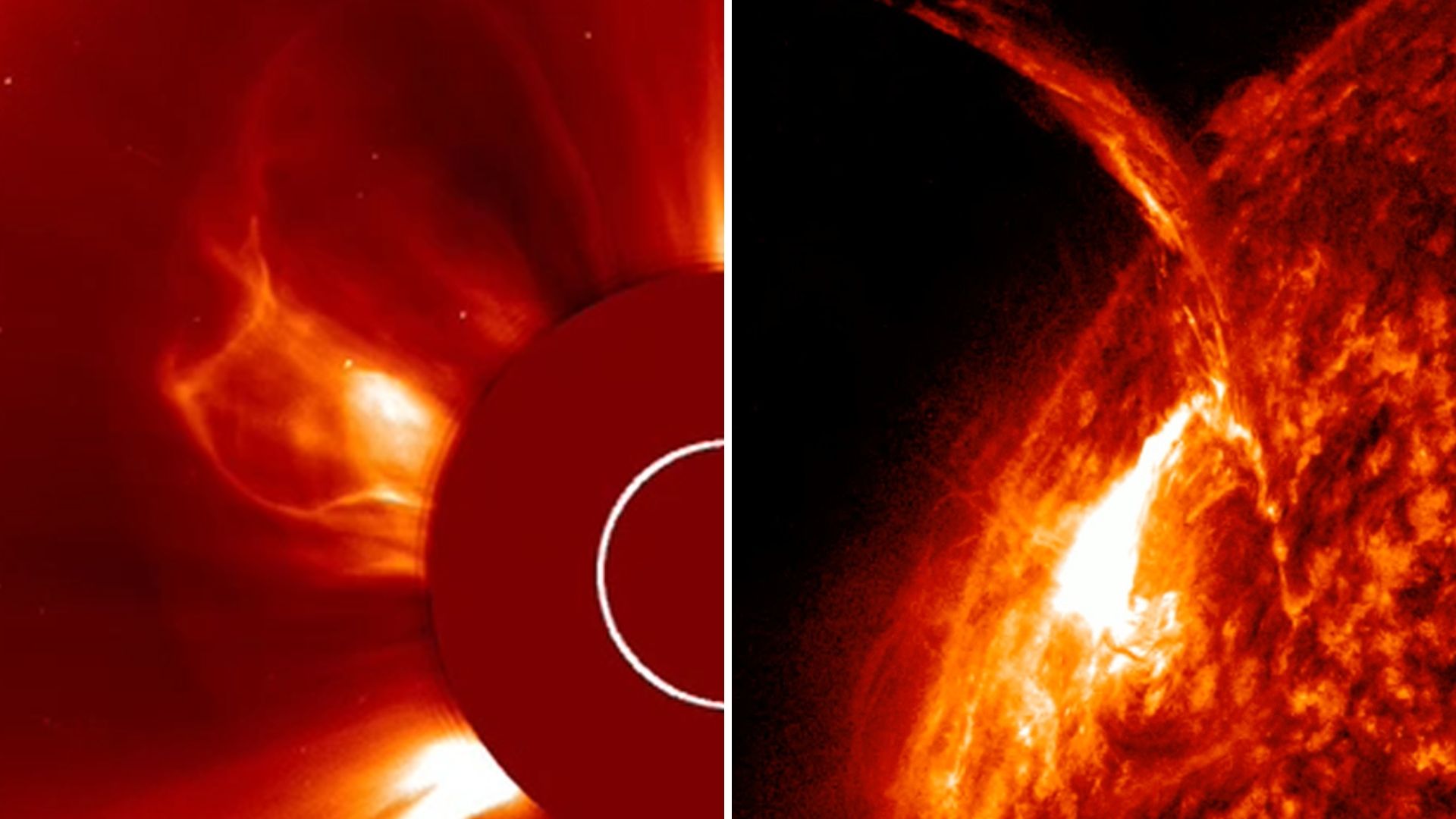
A powerful M5.7 solar flare caused radio blackouts and a coronal mass ejection (CME) that may trigger minor geomagnetic storms and auroras.
Explain Like I'm Five
"The sun burped, and it might make pretty lights in the sky, but it could also mess up radios!"
Deep Intelligence Analysis
The associated CME is projected to deliver a glancing blow to Earth around May 13, 2026, potentially causing minor (G1) geomagnetic storm conditions. While not expected to reach the intensity of the extreme G5 storm experienced in May 2024, even minor geomagnetic disturbances can impact satellite operations, power grids, and other critical infrastructure. The increased solar activity observed in recent years raises concerns about the potential for more severe and frequent disruptions in the future.
Continued monitoring of solar activity by agencies like NOAA's Space Weather Prediction Center and the U.K. Met Office is crucial for providing timely warnings and enabling mitigation efforts. Developing more robust and resilient technologies is essential to minimize the impact of solar events on our increasingly interconnected world. The potential for enhanced aurora displays, while visually appealing, serves as a reminder of the powerful forces at play in our solar system and the need for vigilance in protecting our technological assets.
_Context: This intelligence report was compiled by the DailyOrbitalWire Strategy Engine. Verified for Art. 50 Compliance._
Impact Assessment
Solar flares and CMEs can disrupt radio communications and potentially damage satellites. Monitoring solar activity is crucial for protecting space-based assets and infrastructure on Earth.
Read Full Story on Space.comKey Details
- ● An M5.7 solar flare erupted from the sun on May 10, 2026.
- ● The flare triggered radio blackouts over the Atlantic Ocean.
- ● A CME associated with the flare may deliver Earth a glancing blow around May 13, 2026.
- ● This could trigger minor (G1) geomagnetic storm conditions and enhance aurora displays.
Optimistic Outlook
The potential for enhanced aurora displays provides an opportunity for skywatchers to witness a natural phenomenon. Continued monitoring of solar activity allows for better prediction and mitigation of potential disruptions.
Pessimistic Outlook
Even minor geomagnetic storms can impact satellite operations and radio communications. The increasing frequency of solar activity raises concerns about the potential for more severe disruptions in the future.

The Signal, Not
the Noise|
Get the week's top 1% of space-tech intelligence synthesized into a 5-minute read. Join 25,000+ aerospace insiders.
Unsubscribe anytime. No spam, ever.