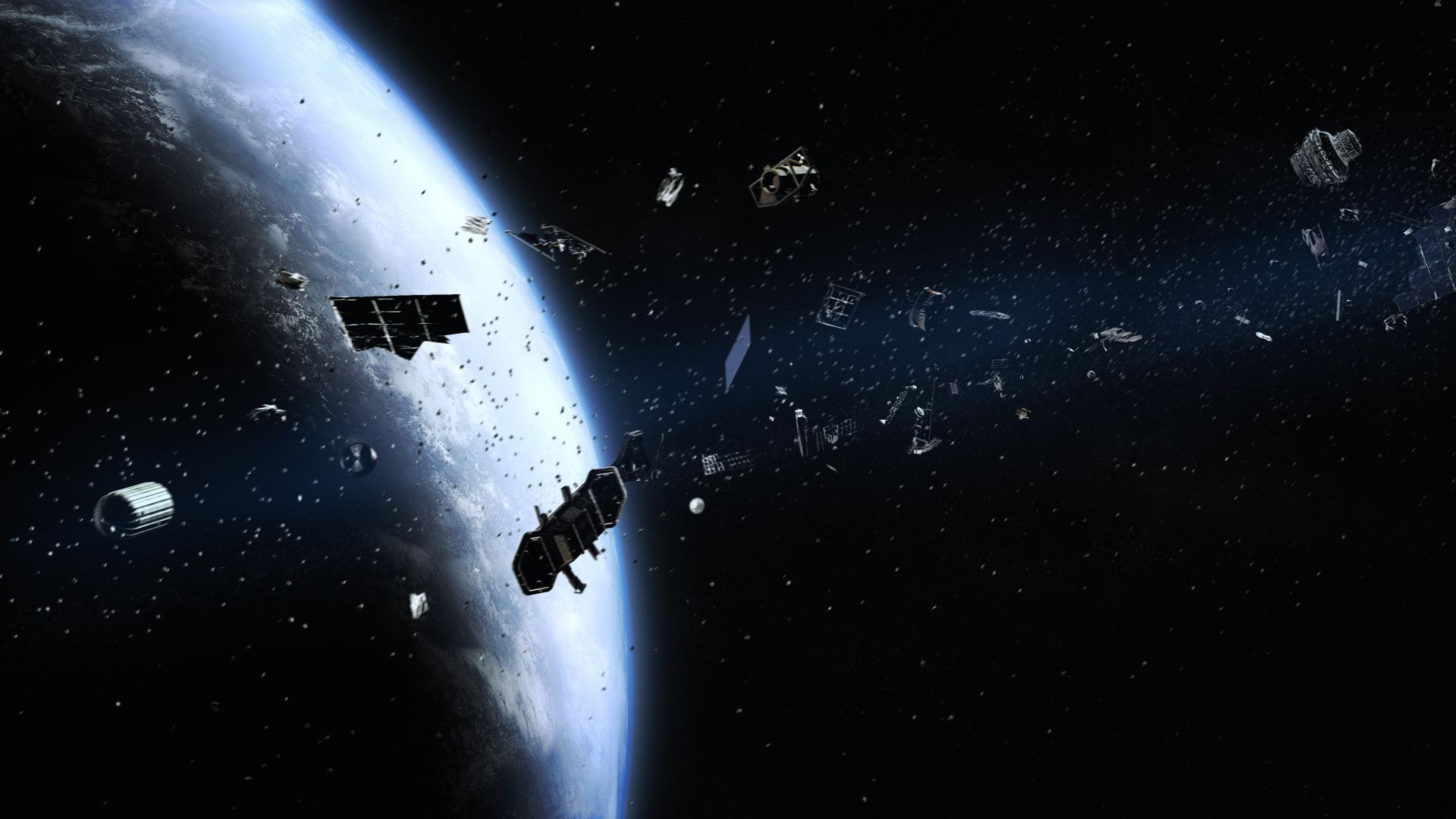
Space Debris Threatens Satellite Data Integrity and Increases Operational Costs
The Gist
Increased space debris is forcing satellites to perform avoidance maneuvers, leading to data gaps and higher operational costs.
Explain Like I'm Five
"Imagine space is a road, and satellites are cars. Space junk is like trash on the road, making the cars swerve and sometimes break down, so we can't see the important things they show us about Earth."
Deep Intelligence Analysis
*Transparency Footnote: This analysis was conducted by an AI model to provide an objective assessment of the provided news article. The AI model has been trained to avoid bias and provide factual information. The analysis is intended for informational purposes only and should not be considered as professional advice.*
_Context: This intelligence report was compiled by the DailyOrbitalWire Strategy Engine. Verified for Art. 50 Compliance._
Impact Assessment
Loss of satellite data impacts climate change monitoring and emergency response efforts. The increasing frequency of avoidance maneuvers adds economic burden to satellite operations.
Read Full Story on Space.comKey Details
- ● The EOS fleet has performed at least 32 debris avoidance maneuvers since 2005.
- ● Aqua satellite data has shown errors due to incoming space debris.
- ● Maneuvering to avoid collisions consumes satellite fuel, a finite resource.
Optimistic Outlook
Improved debris tracking and removal technologies could mitigate collision risks. More resilient satellite designs and autonomous avoidance systems may reduce fuel consumption and data loss.
Pessimistic Outlook
The volume of space debris is projected to increase, escalating collision risks and data corruption. The cost of insuring satellites will likely rise, potentially hindering scientific missions.

The Signal, Not
the Noise|
Get the week's top 1% of space-tech intelligence synthesized into a 5-minute read. Join 25,000+ aerospace insiders.
Unsubscribe anytime. No spam, ever.