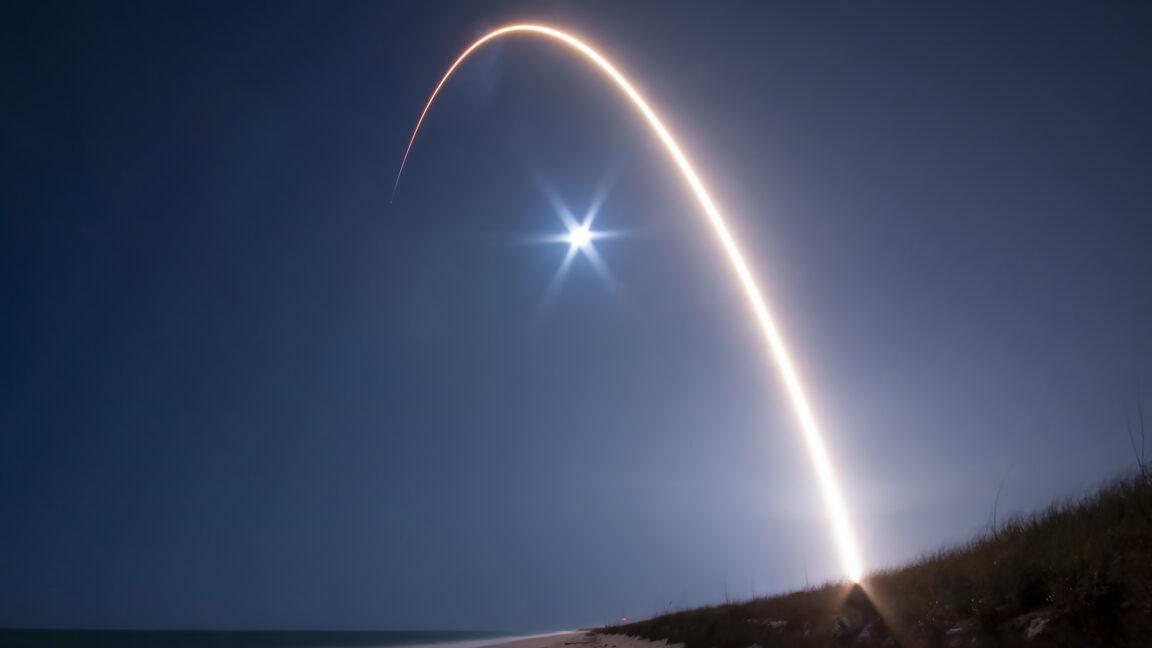
Space Force Transfers GPS Satellite Launch to SpaceX Due to ULA Vulcan Delays
The Gist
ULA's Vulcan rocket delays prompt the Space Force to shift a GPS Block III satellite launch to SpaceX's Falcon 9.
Explain Like I'm Five
"ULA, a company that makes rockets, is having trouble launching a GPS satellite for the Space Force. So, the Space Force asked SpaceX, another rocket company, to do it instead because their rockets work better right now."
Deep Intelligence Analysis
SpaceX, on the other hand, has consistently demonstrated the reliability of its Falcon 9 rocket, making it a dependable option for time-sensitive missions. This transfer highlights the increasing competition in the space launch market and the pressure on traditional providers like ULA to innovate and maintain a high level of performance. The shift also has financial implications, as launch contracts are highly lucrative and contribute significantly to a company's revenue stream. The agreement for ULA to launch a classified military mission in 2028 provides some compensation for the lost GPS launch, but the long-term impact on ULA's market share remains to be seen.
From an engineering perspective, the booster failures on the Vulcan rocket point to potential issues in either the design or manufacturing processes. Addressing these issues will require a thorough investigation and potentially significant modifications to the rocket's design. The situation also underscores the importance of rigorous testing and quality control in the aerospace industry, where even minor defects can have catastrophic consequences. The Space Force's decision reflects a risk-averse approach, prioritizing the timely deployment of critical assets over loyalty to a specific launch provider. This decision could set a precedent for future launch procurements, potentially favoring companies with a proven track record of reliability and performance.
*Transparency Footnote: This analysis was generated by an AI model and reviewed by human experts. While we strive for accuracy, interpretations and predictions are subject to uncertainty. Readers are encouraged to consult multiple sources before making decisions.*
_Context: This intelligence report was compiled by the DailyOrbitalWire Strategy Engine. Verified for Art. 50 Compliance._
Impact Assessment
ULA's continued delays raise concerns about assured access to space for critical military payloads. SpaceX's Falcon 9 continues to demonstrate reliability, solidifying its position as a key launch provider for the US government.
Read Full Story on Hacker News SpaceKey Details
- ● The Space Force transferred the launch of GPS III SV10 to SpaceX due to ongoing issues with ULA's Vulcan rocket.
- ● This is the fourth time in just over a year the Space Force has needed to replenish the GPS navigation network.
- ● ULA will receive rights to launch a classified US military mission in 2028 as partial compensation.
- ● Vulcan rocket experienced solid rocket booster issues on its second and fourth flights.
Optimistic Outlook
SpaceX's proven track record with Falcon 9 ensures the timely deployment of the GPS III SV10 satellite, maintaining the integrity of the GPS network. ULA will have time to resolve the booster issues and return to flight.
Pessimistic Outlook
Recurring issues with ULA's Vulcan rocket could further erode confidence in the program and potentially impact future launch contracts. The investigation into the booster problem will take 'many months'.

The Signal, Not
the Noise|
Get the week's top 1% of space-tech intelligence synthesized into a 5-minute read. Join 25,000+ aerospace insiders.
Unsubscribe anytime. No spam, ever.