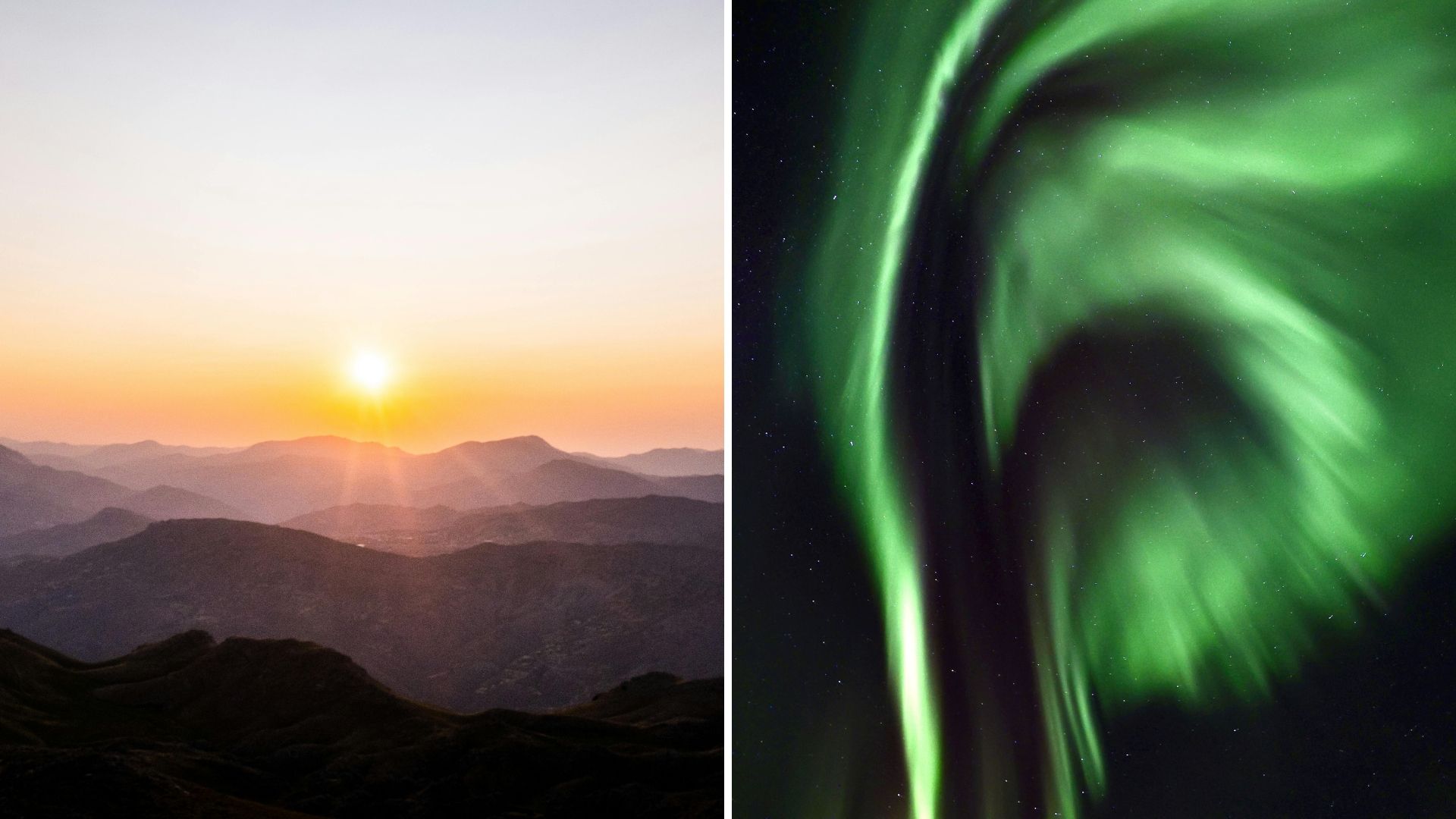
Spring Equinox Amplifies Northern Lights Display
The Gist
The spring equinox and incoming solar storms may supercharge northern lights visibility.
Explain Like I'm Five
"The Sun is sending energy to Earth, and because of the way Earth is tilted right now, it makes the pretty lights in the sky (auroras) even brighter!"
Deep Intelligence Analysis
_Context: This intelligence report was compiled by the DailyOrbitalWire Strategy Engine. Verified for Art. 50 Compliance._
Impact Assessment
Increased aurora visibility provides opportunities for scientific study of the magnetosphere and ionosphere. It also boosts astrotourism and public engagement with space weather phenomena.
Read Full Story on Space.comKey Details
- ● Moderate (G2) geomagnetic storm watch issued through March 21.
- ● The spring equinox enhances interaction between Earth's magnetic field and solar wind.
- ● The Russell-McPherron effect explains peak geomagnetic activity around equinoxes.
Optimistic Outlook
Enhanced understanding of space weather events could lead to better prediction models, protecting satellites and terrestrial infrastructure. Increased public awareness can foster greater support for space science research.
Pessimistic Outlook
Strong geomagnetic storms can disrupt satellite communications, GPS systems, and power grids. Unpredictability of auroras can lead to disappointment for observers.

The Signal, Not
the Noise|
Get the week's top 1% of space-tech intelligence synthesized into a 5-minute read. Join 25,000+ aerospace insiders.
Unsubscribe anytime. No spam, ever.