Star Catcher Secures $65M Series A to Advance In-Orbit Power Beaming
The Gist
Star Catcher raised $65M in Series A funding to demonstrate optical power-beaming in orbit, aiming to create a space-based power grid.
Explain Like I'm Five
"Imagine a giant flashlight in space that can send power to other satellites, so they don't need big solar panels! Star Catcher wants to build that."
Deep Intelligence Analysis
The investment from B Capital, Shield Capital, and Cerberus Ventures, along with the involvement of retired Space Force chief John "Jay" Raymond, highlights the strategic importance of this technology for both commercial and national security applications. Star Catcher's focus on engaging with US national security customers suggests that its power-beaming capabilities could be used to support military and intelligence operations in space.
From a market perspective, Star Catcher's technology could disrupt the traditional satellite power market, creating new opportunities for smaller, more agile spacecraft. The ability to beam power to satellites could also enable new types of space-based services, such as in-orbit manufacturing and resource extraction. However, the technology faces significant technical challenges, including the efficient transmission of power over long distances and the development of robust and reliable power-beaming systems. Regulatory hurdles and concerns about the security of beamed power could also slow down the deployment of this technology.
_Context: This intelligence report was compiled by the DailyOrbitalWire Strategy Engine. Verified for Art. 50 Compliance._
Impact Assessment
Star Catcher's technology could revolutionize satellite power, enabling smaller spacecraft to handle more power-intensive missions. This could also provide backup power for satellites with deployment failures.
Read Full Story on Payload SpaceKey Details
- ● Star Catcher raised a $65M Series A round led by B Capital, Shield Capital, and Cerberus Ventures.
- ● The company aims to demonstrate optical power-beaming in orbit this year.
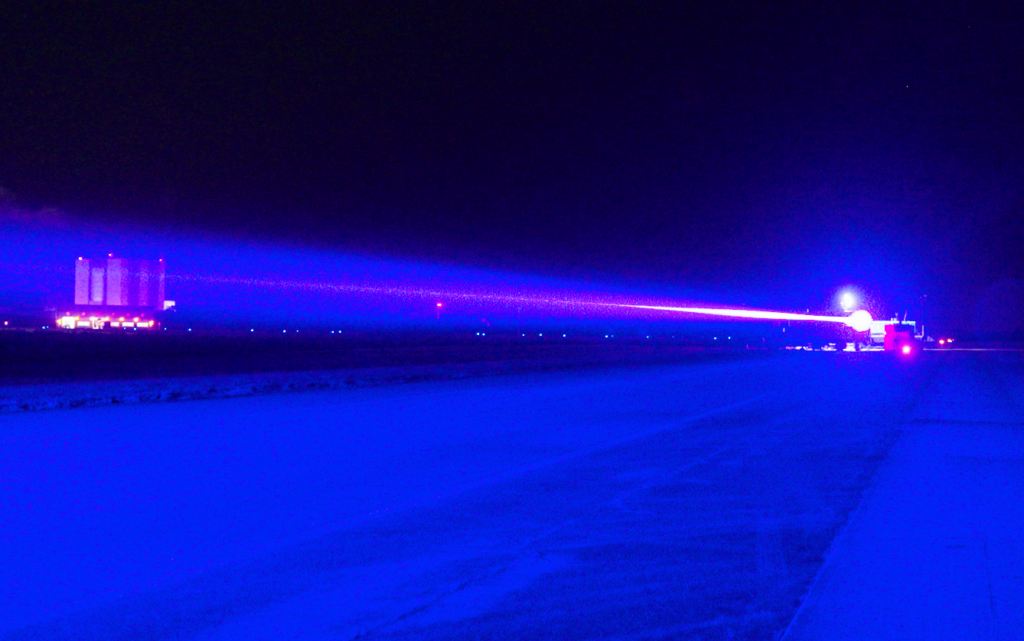
- ● Star Catcher conducted a terrestrial demo in March 2025, beaming solar power across a football field.
- ● The funding will support deeper engagement with US national security customers.
Optimistic Outlook
Successful demonstration of in-orbit power beaming could unlock new possibilities for space-based infrastructure and services. This could lead to a more robust and efficient space economy, with smaller satellites capable of performing complex tasks.
Pessimistic Outlook
The technology faces significant technical challenges, and regulatory hurdles could slow down deployment. Reliance on beamed power could create new vulnerabilities for satellites.

The Signal, Not
the Noise|
Get the week's top 1% of space-tech intelligence synthesized into a 5-minute read. Join 25,000+ aerospace insiders.
Unsubscribe anytime. No spam, ever.