Stardust Discovery: Antarctic Ice Reveals Secrets of Solar System's Interstellar Journey
The Gist
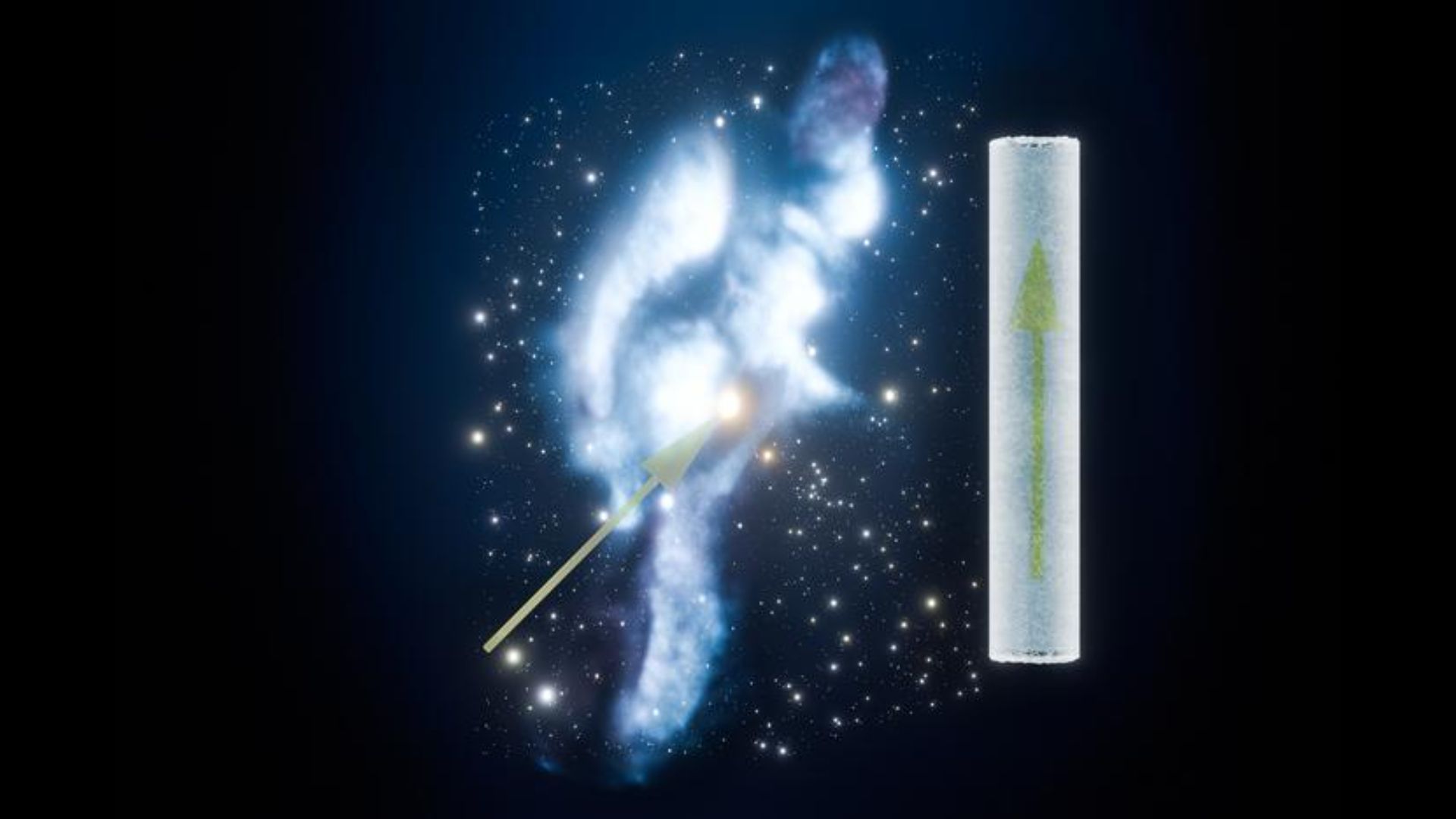
Scientists found stardust, specifically iron-60 from supernovas, trapped in Antarctic ice, revealing insights into the solar system's history.
Explain Like I'm Five
"Imagine tiny bits of exploded stars falling on Earth and getting stuck in ice! Scientists found these bits in Antarctica, which tells us Earth is traveling through a cloud of space dust."
Deep Intelligence Analysis
*Transparency: This analysis is based solely on the provided article text. No external sources were consulted.*
_Context: This intelligence report was compiled by the DailyOrbitalWire Strategy Engine. Verified for Art. 50 Compliance._
Impact Assessment
The discovery of supernova-produced iron-60 in Antarctic ice provides evidence of the solar system's interaction with the Local Interstellar Cloud. This helps understand the origin and composition of interstellar matter and its potential impact on Earth.
Read Full Story on Space.comKey Details
- ● Radioactive stardust remnants from stellar explosions have been found trapped in Antarctic ice.
- ● The solar system is currently passing through the Local Interstellar Cloud (Local Fluff).
- ● Researchers analyzed 300 kilograms of ice from Antarctica dating back 40,000 to 80,000 years.
- ● Less iron-60 reached Earth between 40,000 and 80,000 years ago than in more recent times.
Optimistic Outlook
Further analysis of stardust trapped in ice could reveal more about the frequency and intensity of past supernova events in our galactic neighborhood. Understanding the LIC's properties could lead to better predictions of its future interactions with the heliosphere.
Pessimistic Outlook
The exact source of the iron-60 within the LIC remains uncertain, and the long-term effects of interstellar dust accumulation on Earth's atmosphere are not fully understood. The challenges of collecting and analyzing large volumes of Antarctic ice limit the scope of research.

The Signal, Not
the Noise|
Get the week's top 1% of space-tech intelligence synthesized into a 5-minute read. Join 25,000+ aerospace insiders.
Unsubscribe anytime. No spam, ever.