Vegetation's Red Edge: A Biosignature for Exoplanet Detection
The Gist
The vegetation red edge, a spectral fingerprint of photosynthetic life, could be detectable on exoplanets despite atmospheric and surface complexities.
Explain Like I'm Five
"Imagine plants have a special light they reflect that we can see from far away! Even if it's cloudy, we can still spot it, helping us find other planets with plants."
Deep Intelligence Analysis
However, the study also highlights the limitations of relying solely on the red edge as a biosignature. The signal is most detectable when land covers more than half of the visible surface, which may not be the case for all habitable exoplanets. Furthermore, the presence of certain atmospheric constituents could obscure or mimic the red edge signal, leading to false positives. Therefore, a multi-faceted approach to biosignature detection, incorporating a range of spectral features and atmospheric analyses, is essential for accurately assessing the habitability of exoplanets. Future research should focus on refining our understanding of the factors that influence the red edge signal and developing more robust detection techniques that can account for the diversity of planetary environments.
*Transparency Disclosure: This analysis was conducted by an AI model to provide an objective assessment of the provided article. The AI model has been trained on a diverse range of scientific and technical texts to ensure accuracy and comprehensiveness. The analysis is intended for informational purposes only and should not be considered as professional advice.*
_Context: This intelligence report was compiled by the DailyOrbitalWire Strategy Engine. Verified for Art. 50 Compliance._
Impact Assessment
Detecting biosignatures like the vegetation red edge is crucial for identifying potentially habitable exoplanets. This research demonstrates the feasibility of detecting such signatures even with atmospheric and surface variations.
Read Full Story on Universe TodayKey Details
- ● Chlorophyll reflects near-infrared light, creating a 'red edge' at around 700 nanometers.
- ● NASA's Habitable Worlds Observatory aims to detect this red edge on distant exoplanets.
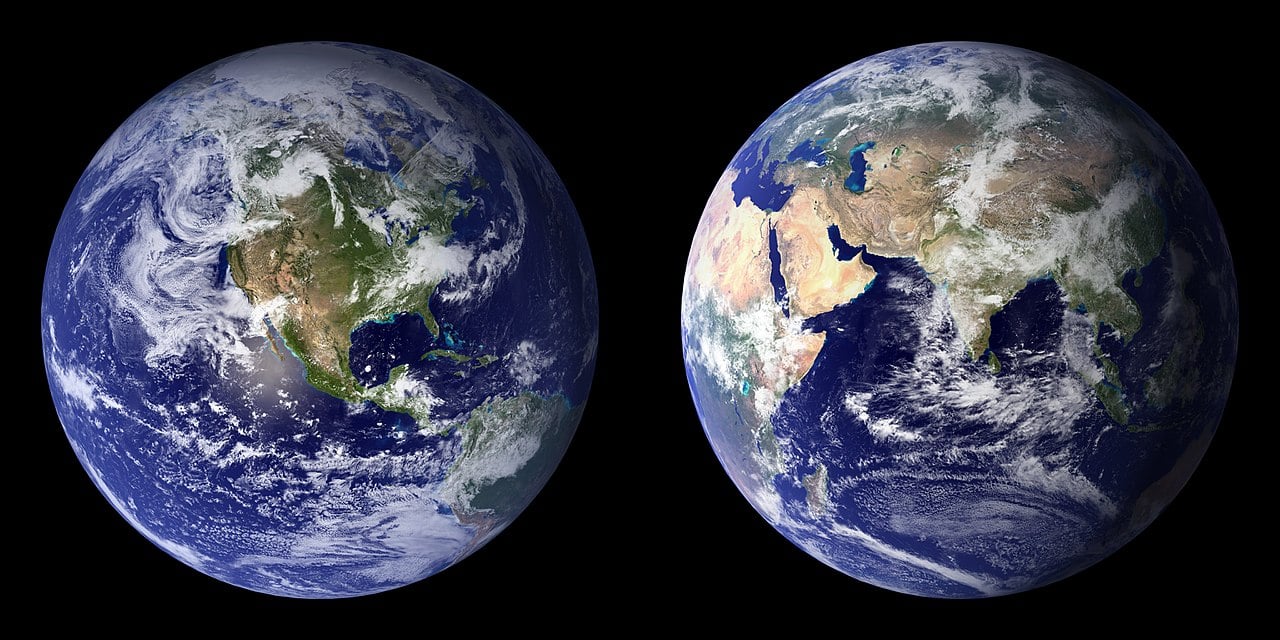
- ● A study using 3D models of Earth showed the red edge remains detectable even with cloud cover if land covers over half the visible surface.
- ● The team could pinpoint the jump in reflectivity to within about 70 nanometres.
Optimistic Outlook
Future observatories like the Habitable Worlds Observatory have a genuine target in the search for habitable worlds. The ability to detect the red edge through patchy clouds and mixed terrain increases the chances of finding life on other planets.
Pessimistic Outlook
Detecting the red edge is complicated by planetary surface and atmospheric conditions. The red edge signal is only detectable if more than half the visible surface is land, limiting the scope of potential detections.

The Signal, Not
the Noise|
Get the week's top 1% of space-tech intelligence synthesized into a 5-minute read. Join 25,000+ aerospace insiders.
Unsubscribe anytime. No spam, ever.