BREAKING: • Cowboy Space Corp. Secures $275M, Pivots to Orbital Data Centers & Launch Vehicle • Habitable Exoplanet Size Limit Identified: 0.8 Earth Radii • AI Framework Improves Gamma-Ray Burst Light Curve Reconstruction • Chang'E-4 Mission Conducts First Lunar Farside SETI Observations • JWST's NEXUS Survey Releases Quick Data from North Ecliptic Pole
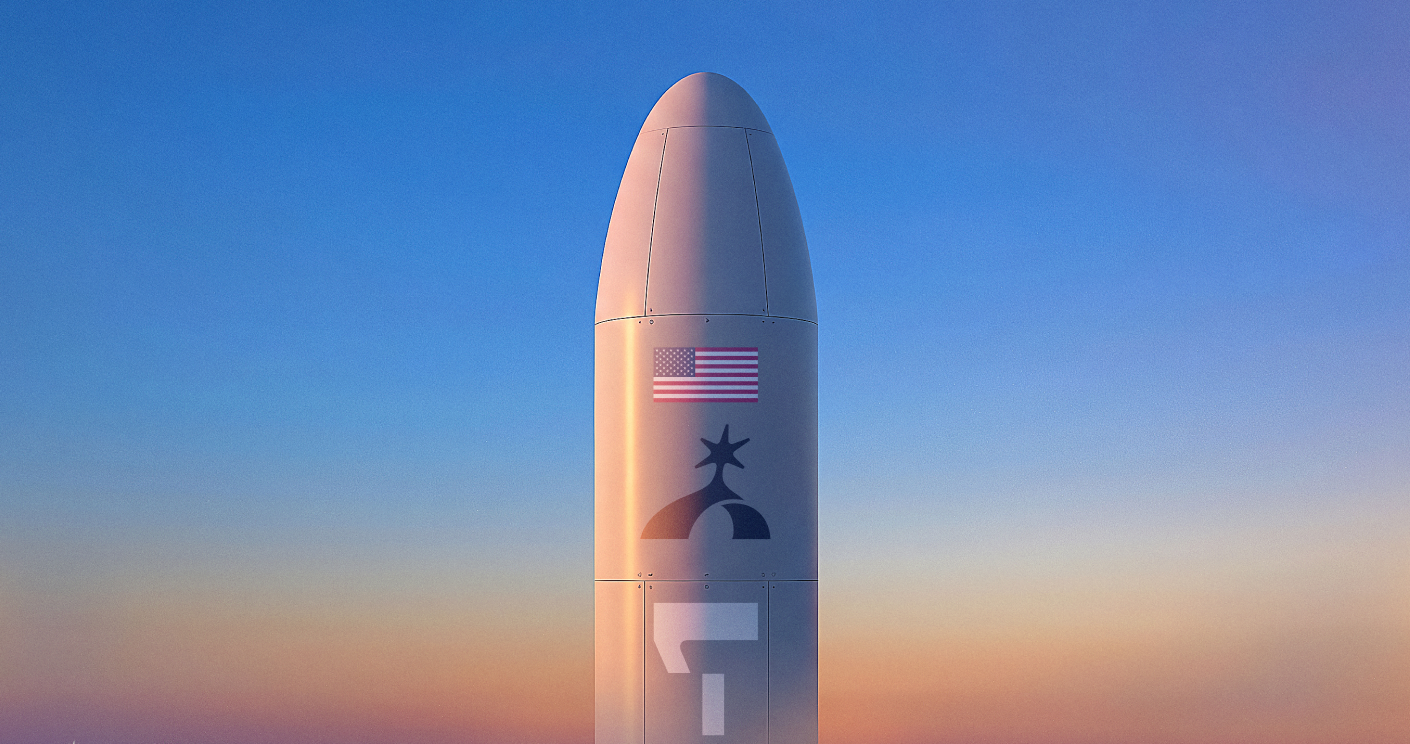
Cowboy Space Corp. Secures $275M, Pivots to Orbital Data Centers & Launch Vehicle
Launch Vehicles May 11
Payload Space // 2026-05-11

Cowboy Space Corp. Secures $275M, Pivots to Orbital Data Centers & Launch Vehicle

THE GIST: Aetherflux rebrands as Cowboy Space Corporation, securing $275M to develop orbital data centers and a dedicated launch vehicle.
IMPACT: Cowboy Space's integrated approach to launch and in-space computing could streamline operations and reduce costs. Their dedicated launch vehicle aims to mitigate launch capacity constraints, offering greater control over mission economics.
Optimistic
Pessimistic
ELI5
Deep Dive // Full Analysis
Habitable Exoplanet Size Limit Identified: 0.8 Earth Radii
Habitats & ISRU May 11
Universe Today // 2026-05-11

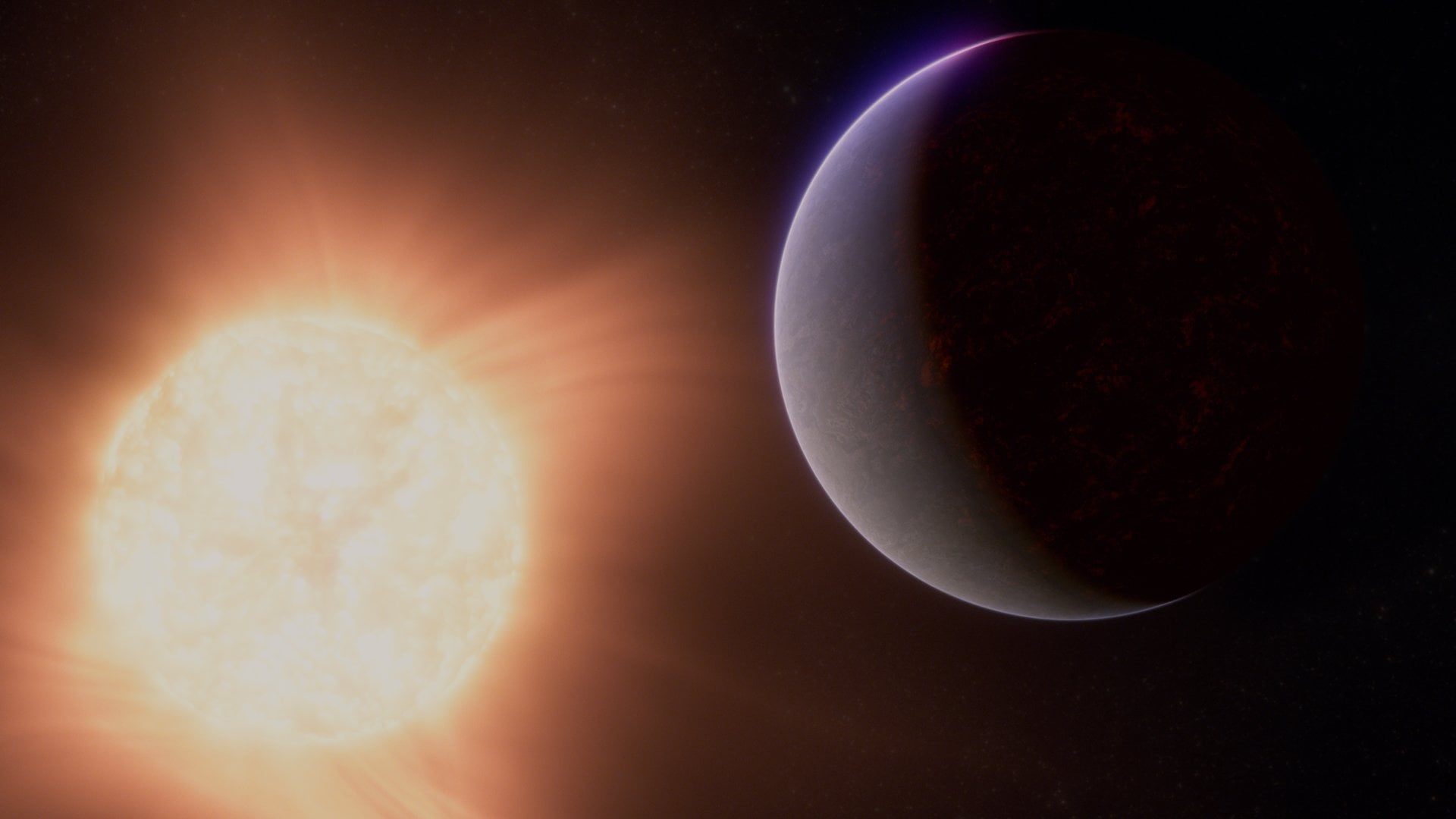
Habitable Exoplanet Size Limit Identified: 0.8 Earth Radii

THE GIST: A new model suggests exoplanets smaller than 0.8 Earth radii struggle to retain atmospheres necessary for habitability.

IMPACT: Determining the size constraints for habitable exoplanets refines the search for Earth-like worlds. This focuses telescope time on planets with a higher probability of sustaining life-supporting atmospheres, improving resource allocation in exoplanet research.
Optimistic
Pessimistic
ELI5
Deep Dive // Full Analysis
AI Framework Improves Gamma-Ray Burst Light Curve Reconstruction
Satellites May 11
arXiv Instrumentation // 2026-05-11

AI Framework Improves Gamma-Ray Burst Light Curve Reconstruction

THE GIST: A multi-model AI framework enhances the reconstruction of Gamma-ray burst light curves, mitigating data gaps for improved cosmological research.

IMPACT: Accurate GRB light curve reconstruction is crucial for using GRBs as cosmological probes and standard candles. This framework enhances parameter estimation and reduces uncertainties.
Optimistic
Pessimistic
ELI5
Deep Dive // Full Analysis
Chang'E-4 Mission Conducts First Lunar Farside SETI Observations
Habitats & ISRU May 11
arXiv Instrumentation // 2026-05-11

Chang'E-4 Mission Conducts First Lunar Farside SETI Observations

THE GIST: The Chang'E-4 mission conducted the first SETI observations from the lunar farside, searching for periodic technosignatures.

IMPACT: The lunar farside offers a unique environment for radio astronomy, shielded from Earth's radio interference. This study serves as a pathfinder for future lunar SETI research.
Optimistic
Pessimistic
ELI5
Deep Dive // Full Analysis
JWST's NEXUS Survey Releases Quick Data from North Ecliptic Pole
Satellites May 11
arXiv Instrumentation // 2026-05-11

JWST's NEXUS Survey Releases Quick Data from North Ecliptic Pole

THE GIST: The JWST's NEXUS survey releases data from its multi-cycle imaging and spectroscopic survey of the North Ecliptic Pole.

IMPACT: The quick data releases from the NEXUS survey enable rapid follow-up studies and accelerate scientific discovery. The survey's multi-wavelength observations provide a comprehensive view of the North Ecliptic Pole.
Optimistic
Pessimistic
ELI5
Deep Dive // Full Analysis
Light-Tight Skipper-CCDs Enhance X-ray Detection in Space
Satellites May 11
arXiv Instrumentation // 2026-05-11

Light-Tight Skipper-CCDs Enhance X-ray Detection in Space

THE GIST: Light-tight shields for skipper-CCDs effectively suppress optical backgrounds while maintaining X-ray detection efficiency for space-based astronomy.

IMPACT: This technology enables more precise X-ray astronomy by mitigating optical interference, improving the quality of data collected by space-based telescopes. The low-cost solution makes it accessible for broader implementation in future missions.
Optimistic
Pessimistic
ELI5
Deep Dive // Full Analysis
China Space Station Laser Time Transfer Improves Gravitational Redshift Testing
Satellites May 11
arXiv Instrumentation // 2026-05-11

China Space Station Laser Time Transfer Improves Gravitational Redshift Testing

THE GIST: Laser time transfer between the China Space Station and a ground station enables more precise testing of gravitational redshift.

IMPACT: This laser-based approach offers a significant improvement in precision compared to previous experiments, enabling new capabilities for fundamental physics investigations and geodetic applications.
Optimistic
Pessimistic
ELI5
Deep Dive // Full Analysis
Hubble Advanced Spectral Product (HASP) Program Automates Spectral Co-addition
Satellites May 11
arXiv Instrumentation // 2026-05-11

Hubble Advanced Spectral Product (HASP) Program Automates Spectral Co-addition

THE GIST: The HASP program automates the co-addition of Hubble spectra, enhancing data quality and accessibility for astronomers.

IMPACT: Automated co-addition enhances the combination of different CENWAVEs, increasing signal-to-noise ratios and wavelength coverage, making archival spectroscopic data more valuable. This streamlines research and maximizes the scientific return from HST.
Optimistic
Pessimistic
ELI5
Deep Dive // Full Analysis
LSST Simulated Observations Predict Earlier Detection of Earth Impactors
Satellites May 11
arXiv Earth & Planetary // 2026-05-11

LSST Simulated Observations Predict Earlier Detection of Earth Impactors

THE GIST: Simulations suggest the LSST will detect imminent Earth impactors earlier, providing more time for observation and planetary defense.

IMPACT: Earlier detection of impactors allows for more comprehensive follow-up observations, improved planetary defense planning, and increased public awareness. Precovery of impactors can also refine orbital data and impact predictions.
Optimistic
Pessimistic
ELI5
Deep Dive // Full Analysis
YOSO: Deep Learning Pipeline Enhances Detection of Faint Solar System Objects
Satellites May 11
arXiv Earth & Planetary // 2026-05-11

YOSO: Deep Learning Pipeline Enhances Detection of Faint Solar System Objects

THE GIST: YOSO, a novel deep-learning pipeline, improves the detection of faint, slow-moving Solar System objects in astronomical surveys.
IMPACT: YOSO offers a versatile and scalable approach for extracting faint, motion-dependent signals, applicable to large surveys like LSST and missions like NEO Surveyor. This improves the efficiency of identifying and tracking potentially hazardous objects.
Optimistic
Pessimistic
ELI5
Deep Dive // Full Analysis
X-Ray Emission Detected from Distant 'Little Red Dot' Object
Satellites May 10
Universe Today // 2026-05-10

X-Ray Emission Detected from Distant 'Little Red Dot' Object

THE GIST: Astronomers have detected X-ray emissions from a 'little red dot' (LRD) object in the early universe, potentially linking black hole stars to supermassive black holes.

IMPACT: This discovery could provide a crucial link in understanding the evolution of supermassive black holes in the early universe. The X-ray emission offers a new avenue for studying these distant and enigmatic objects.
Optimistic
Pessimistic
ELI5
Deep Dive // Full Analysis
SpaceX's Million Satellite Plan Sparks Environmental Concerns
Satellites May 10
Hacker News Space // 2026-05-10

SpaceX's Million Satellite Plan Sparks Environmental Concerns

THE GIST: SpaceX proposes launching one million satellites, raising concerns about orbital environment, atmospheric pollution, and access to space.

IMPACT: The sheer scale of SpaceX's proposal could significantly alter the orbital environment, increasing collision risks and potentially hindering future space activities. Atmospheric pollution from frequent launches poses a threat to the ozone layer and contributes to climate change, demanding further investigation and mitigation strategies.
Optimistic
Pessimistic
ELI5
Deep Dive // Full Analysis
Previous
Page 27 of 134
Next
```