
IQUEYE Sees First Light at Gemini South Telescope
THE GIST: The Italian Quantum Eye (IQUEYE) achieves increased sensitivity at the Gemini South telescope.

Analytical Model Improves Spaceborne Laser Interferometry
THE GIST: New analytical model refines far-field wavefront error analysis in spaceborne laser interferometry.

Roman Space Telescope Detector Characterization Refined
THE GIST: Analysis of a Roman Space Telescope detector using laser speckle data refines charge diffusion models.
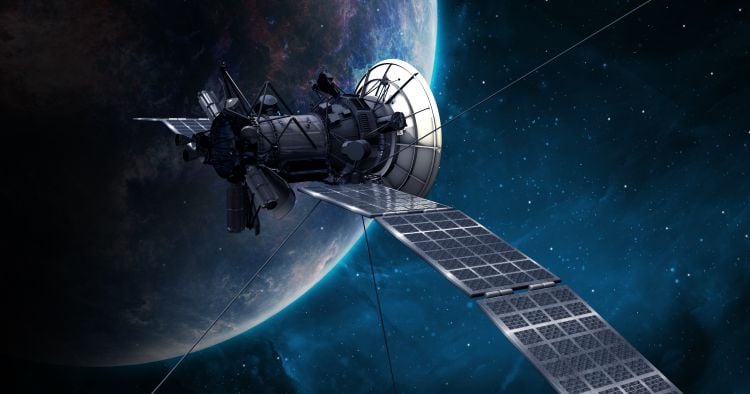
3D-Printable Nanotube Shielding Blocks EM Waves and Neutron Radiation
THE GIST: Researchers developed a 3D-printable, flexible nanotube composite shielding that blocks electromagnetic waves and neutron radiation for extreme environments.

SpaceX Launches 24 Starlink Satellites from Vandenberg on Falcon 9
THE GIST: SpaceX launched 24 Starlink satellites on a Falcon 9 from Vandenberg Space Force Base.
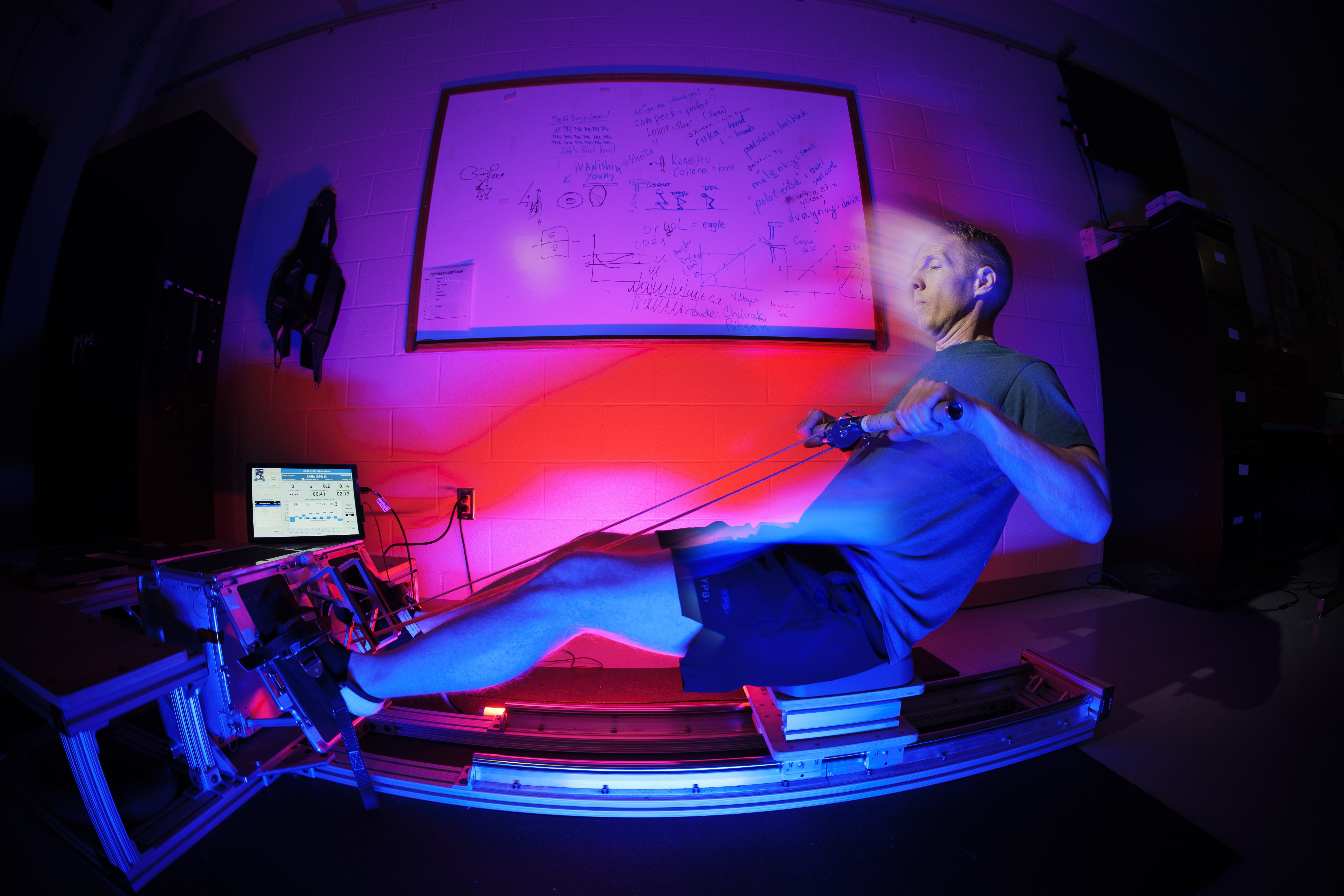
Artemis II Astronauts Utilize Flywheel Exercise Device for Deep Space Health
THE GIST: The Artemis II mission utilized a flywheel exercise device to mitigate the physical and mental effects of deep space travel on astronauts.
Chondrule Oxygen Isotopes as Protoplanetary Disk Probes
THE GIST: Simulations link chondrule oxygen isotopes to protoplanetary disk formation, influenced by mass infall and cloud core composition.
Jupiter's High-Latitude Current Sheet Revealed
THE GIST: Juno measurements reveal a persistent current-sheet-like structure at Jupiter's high latitudes, challenging traditional magnetotail models.
Tilted Magnetic Dipoles Impact Hot Jupiter Atmospheres
THE GIST: Simulations show tilted magnetic dipoles in hot Jupiters cause north-south temperature asymmetries and wind deflections.
PDS70c Shows Hourly Radio Variability
THE GIST: Time-differential photometry reveals hourly radio variability in the protoplanet PDS70c's flux density at 343GHz.

NASA Defends Budget Cuts to Prioritize Lunar Race Against China
THE GIST: NASA defends proposed budget cuts, arguing they will streamline efforts to win the space race against China and accelerate the return to the Moon.
JWST Identifies Over 100 Magnified Stars at Redshift z ≈ 0.725
THE GIST: JWST has identified over 100 magnified stellar events in the Dragon galaxy at redshift z ≈ 0.725.