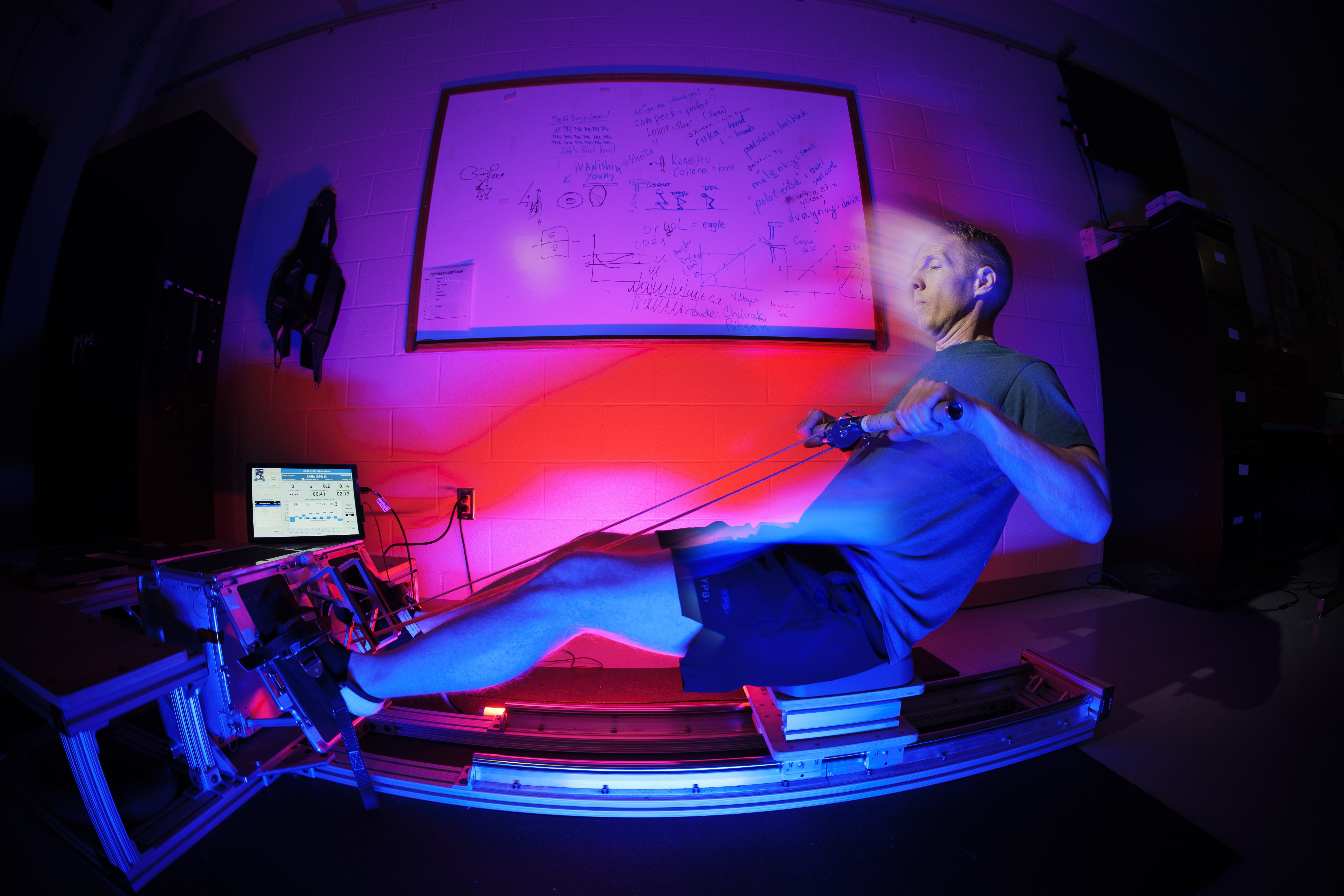
Artemis II Astronauts Utilize Flywheel Exercise Device for Deep Space Health
The Gist
The Artemis II mission utilized a flywheel exercise device to mitigate the physical and mental effects of deep space travel on astronauts.
Explain Like I'm Five
"Imagine you're going on a long trip in a spaceship! Your body needs exercise to stay strong, so the astronauts on Artemis II used a special machine like a super yo-yo to work out and feel good."
Deep Intelligence Analysis
The flywheel's design addresses the unique challenges of space travel, including limited space and crew mobility. Its ability to provide up to 500 pounds of resistance allows astronauts to perform a variety of exercises, from squats and deadlifts to rowing, all within a confined area. The device also contributes to the crew's mental well-being by providing stress relief and improving mental clarity.
Looking ahead, the success of the flywheel on Artemis II will inform the development of more advanced exercise equipment for future Artemis missions and beyond. These advancements will be essential for enabling longer and more complex lunar and interplanetary missions, where astronaut health and performance are paramount. The integration of such technologies into spacecraft design is a key factor in ensuring the success and safety of future space exploration endeavors. The Human Health and Performance Directorate at NASA continues to research and develop solutions to mitigate the risks associated with long-duration spaceflight, with exercise playing a central role in maintaining astronaut well-being.
_Context: This intelligence report was compiled by the DailyOrbitalWire Strategy Engine. Verified for Art. 50 Compliance._
Impact Assessment
The flywheel demonstrates a critical need for exercise equipment in deep space missions to combat muscle atrophy and mental stress. This technology is crucial for ensuring crew health and mission success during extended space travel.
Read Full Story on NASA ArtemisKey Details
- ● The Orion spacecraft provided a flywheel exercise device for the Artemis II mission.
- ● The flywheel is a compact, multi-functional device about the size of a large shoebox.
- ● The flywheel can provide up to 500 pounds of resistance.
- ● Artemis II crew members exercised for roughly 30 minutes per day with the flywheel.
Optimistic Outlook
The successful implementation of the flywheel on Artemis II paves the way for more advanced and reusable exercise devices on future Artemis missions. This will improve astronaut well-being and performance, enabling longer and more complex lunar and interplanetary missions.
Pessimistic Outlook
Limited space and crew mobility pose ongoing challenges for developing effective exercise equipment for spacecraft. Ensuring the reliability and durability of such devices in the harsh space environment remains a critical concern for long-duration missions.

The Signal, Not
the Noise|
Get the week's top 1% of space-tech intelligence synthesized into a 5-minute read. Join 25,000+ aerospace insiders.
Unsubscribe anytime. No spam, ever.