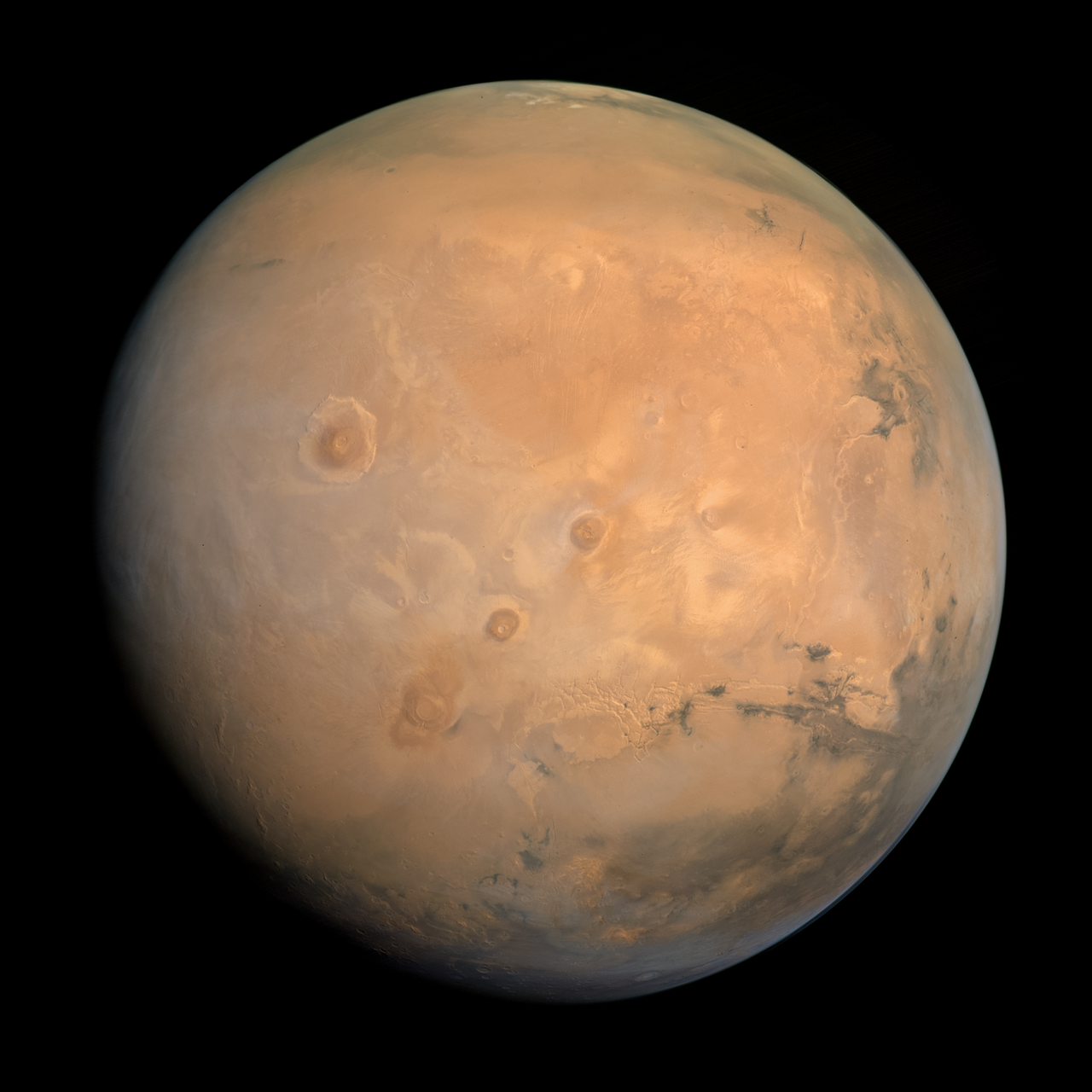
Ancient Mars: A World Shaped by Rain
The Gist
Evidence of kaolinite on Mars suggests a warmer, wetter climate with rainfall lasting millions of years.
Explain Like I'm Five
"Imagine Mars used to be like a rainy jungle! We found special rocks that only form when it rains a lot, which means Mars was once very wet."
Deep Intelligence Analysis
The comparison of Martian kaolinite with samples from Earth further strengthens the case for a rain-soaked past. The striking similarities between the rocks from both planets suggest that the same geological processes were at work. While kaolinite can also form through hydrothermal activity, the absence of a corresponding chemical signature in the Martian samples points firmly towards rainfall as the primary formation mechanism. The puzzle of the kaolinite's origin remains, as no obvious source has been identified nearby. The scattered nature of the deposits suggests that they were either washed into the ancient Jezero lake or transported by meteorite impacts. Further investigation is needed to determine the precise source and mode of transport.
*Transparency Disclosure: This analysis was conducted by an AI model to provide an objective assessment of the provided article. The AI model has been trained on a diverse range of scientific and technical texts to ensure accuracy and comprehensiveness. The analysis is intended for informational purposes only and should not be considered as professional advice.*
_Context: This intelligence report was compiled by the DailyOrbitalWire Strategy Engine. Verified for Art. 50 Compliance._
Impact Assessment
The discovery of kaolinite provides evidence of a past Martian climate capable of supporting liquid water. This has implications for understanding the planet's habitability and the potential for past life.
Read Full Story on Universe TodayKey Details
- ● NASA's Perseverance rover discovered kaolinite, an aluminum-rich clay mineral, in Jezero crater.
- ● Kaolinite on Earth forms in tropical rainforests due to heavy rainfall leaching away other minerals.
- ● Martian kaolinite matches samples from Earth, indicating similar formation processes.
- ● Jezero crater once held a lake twice the size of Lake Tahoe.
Optimistic Outlook
Understanding Mars' past climate can inform future human missions and resource utilization strategies. Identifying ancient water sources could provide valuable resources for future Martian settlements.
Pessimistic Outlook
The scattered nature of the kaolinite deposits and the unknown source raise questions about the extent and duration of the wet period. The transition to a dry, cold Mars remains a mystery.

The Signal, Not
the Noise|
Get the week's top 1% of space-tech intelligence synthesized into a 5-minute read. Join 25,000+ aerospace insiders.
Unsubscribe anytime. No spam, ever.