Citizen Scientists Discover Unexpected Plasma Wave Behavior
The Gist
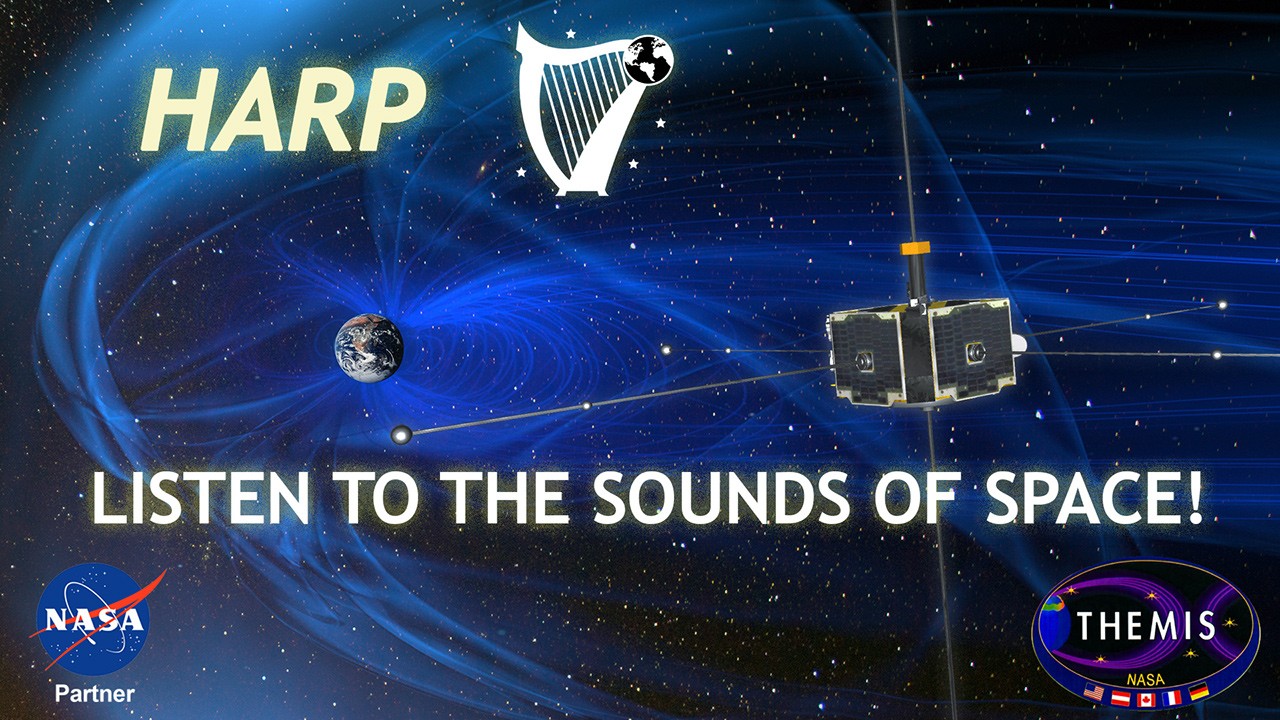
Citizen scientists using audio analysis of NASA's THEMIS data discovered unexpected plasma wave patterns, challenging existing models of space weather.
Explain Like I'm Five
"Imagine space has a giant harp. Scientists turned space sounds into music, and people helping at home heard something strange! The music was high when it should have been low, which helps us understand space weather better."
Deep Intelligence Analysis
_Context: This intelligence report was compiled by the DailyOrbitalWire Strategy Engine. Verified for Art. 50 Compliance._
Impact Assessment
This discovery highlights the value of citizen science in analyzing complex datasets and contributing to a better understanding of geomagnetic storms. The unexpected wave behavior could lead to refinements in space weather forecasting models.
Read Full Story on NASA Breaking NewsKey Details
- ● Volunteers analyzed magnetic field measurements translated into sound.
- ● They identified plasma waves exhibiting higher pitches farther from Earth and lower pitches closer to Earth, contrary to expectations.
- ● The findings are published in Frontiers in Astronomy and Space Sciences.
Optimistic Outlook
The involvement of citizen scientists expands the capacity for data analysis and accelerates the pace of discovery in heliophysics. Further research into these anomalous plasma waves could unlock new insights into magnetospheric dynamics and improve our ability to predict and mitigate space weather events.
Pessimistic Outlook
The reliance on volunteer efforts introduces potential biases and inconsistencies in data analysis. Validating these findings through independent studies and advanced modeling techniques is crucial to ensure their accuracy and applicability to space weather forecasting.

The Signal, Not
the Noise|
Get the week's top 1% of space-tech intelligence synthesized into a 5-minute read. Join 25,000+ aerospace insiders.
Unsubscribe anytime. No spam, ever.