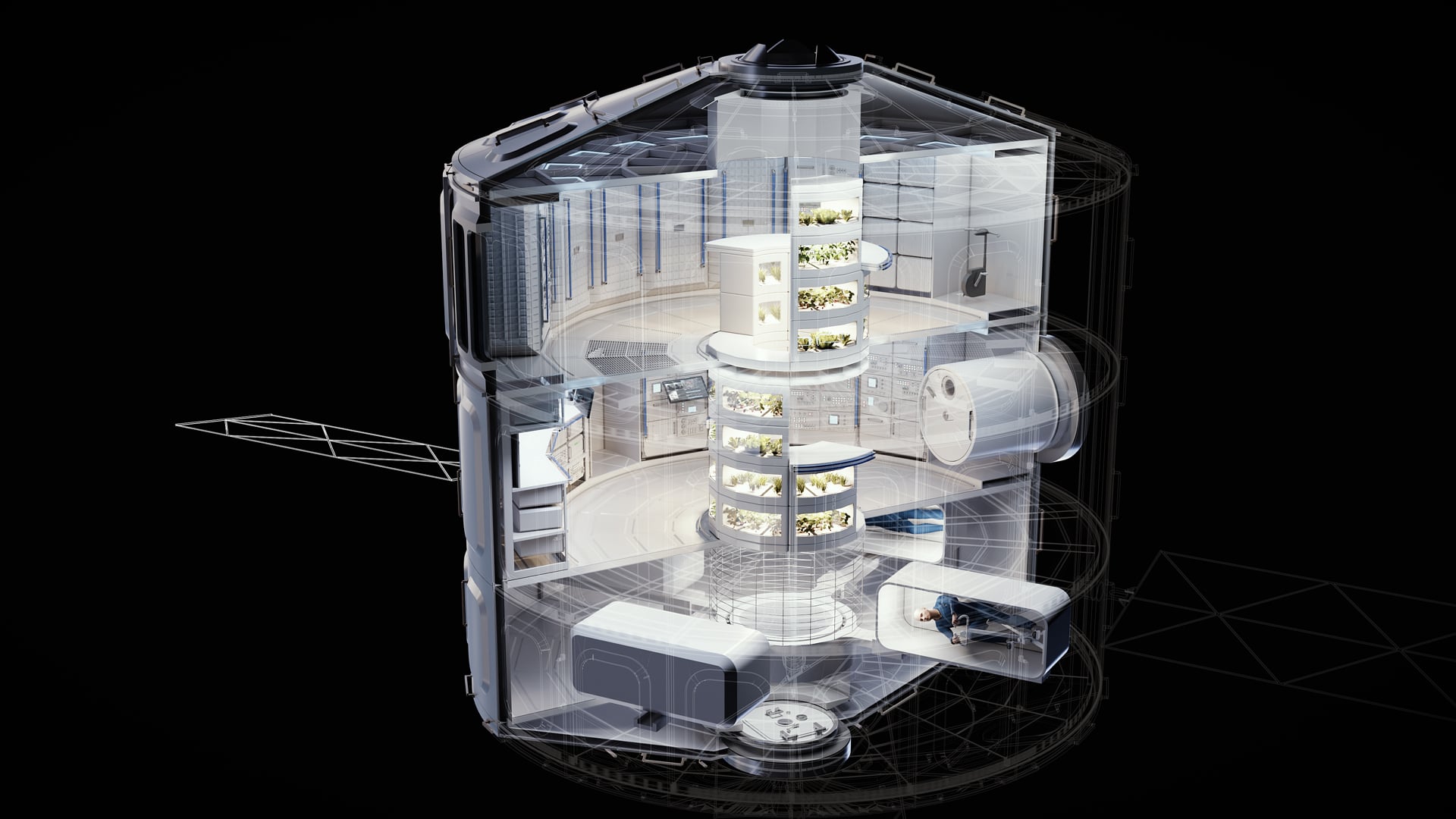
Commercial Space Stations Aim to Fill Void After ISS Retirement
The Gist
Multiple commercial space station projects, including Orbital Reef and Axiom Station, are planned to replace the ISS after its retirement in 2030.
Explain Like I'm Five
"The big space station (ISS) is getting old, so companies are building their own! These new stations will be like hotels and labs in space, where people can visit and do experiments."
Deep Intelligence Analysis
_Context: This intelligence report was compiled by the DailyOrbitalWire Strategy Engine. Verified for Art. 50 Compliance._
Impact Assessment
Commercial space stations represent a shift towards private sector involvement in LEO activities, potentially driving innovation and reducing reliance on government-funded infrastructure. These stations could support a range of activities, including research, manufacturing, and space tourism.
Read Full Story on Universe TodayKey Details
- ● The ISS is set to retire in 2030.
- ● Blue Origin and Sierra Space are developing Orbital Reef, aiming for operational status by the end of the decade.
- ● Orbital Reef's Core module will have 250 m3 of habitable volume and accommodate up to 10 astronauts.
- ● Orbital Reef's Mast will generate 100 kWe through deployable solar arrays.
Optimistic Outlook
The modular design of Orbital Reef and other commercial stations allows for customization and expansion, potentially attracting a diverse range of users. Successful deployment of these stations could foster a thriving commercial space economy in LEO.
Pessimistic Outlook
The development and operation of commercial space stations face significant technical and financial challenges. Delays and cost overruns could hinder their deployment and limit their accessibility.

The Signal, Not
the Noise|
Get the week's top 1% of space-tech intelligence synthesized into a 5-minute read. Join 25,000+ aerospace insiders.
Unsubscribe anytime. No spam, ever.