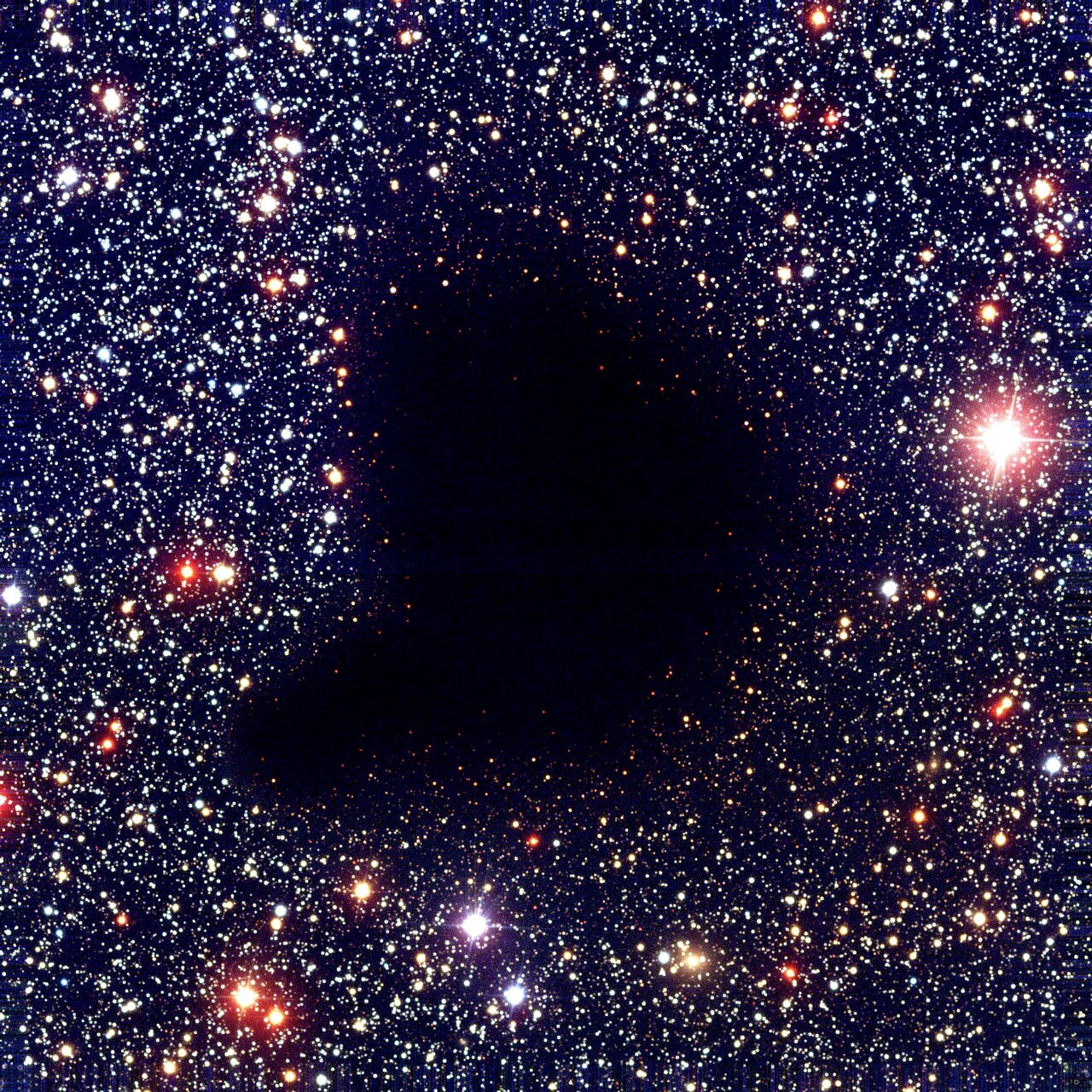
Cosmic Dust: Tiny Labs Fueling Molecular Formation
The Gist
Cosmic dust acts as a crucial catalyst for forming hydrogen molecules (H2) and complex organic compounds in space.
Explain Like I'm Five
"Imagine tiny bits of space dirt that help make the stuff that stars and maybe even life are made of!"
Deep Intelligence Analysis
*Transparency Disclosure: This analysis was conducted by an AI model to provide an objective assessment of the provided text. The AI model is trained on a diverse range of scientific and technical information to ensure accuracy and avoid bias. The analysis is intended for informational purposes only and should not be considered as professional advice.*
_Context: This intelligence report was compiled by the DailyOrbitalWire Strategy Engine. Verified for Art. 50 Compliance._
Impact Assessment
Understanding dust's role is critical for comprehending star formation and the origins of organic molecules in the universe. This knowledge could inform future ISRU strategies for creating resources in space.
Read Full Story on Universe TodayKey Details
- ● Dust grains provide surfaces for hydrogen atoms to combine into H2 molecules.
- ● Ice mantles on dust grains facilitate complex organic chemistry via UV radiation.
- ● This chemistry produces amino acids, sugars, and precursors to DNA/RNA bases.
Optimistic Outlook
Further research into dust chemistry could reveal new pathways for synthesizing complex molecules in space. This could lead to innovative ISRU techniques for producing essential resources on other planets.
Pessimistic Outlook
The complexity of dust chemistry makes it difficult to model and predict. Uncertainties in dust composition and behavior could hinder our understanding of star formation and the origins of life.

The Signal, Not
the Noise|
Get the week's top 1% of space-tech intelligence synthesized into a 5-minute read. Join 25,000+ aerospace insiders.
Unsubscribe anytime. No spam, ever.