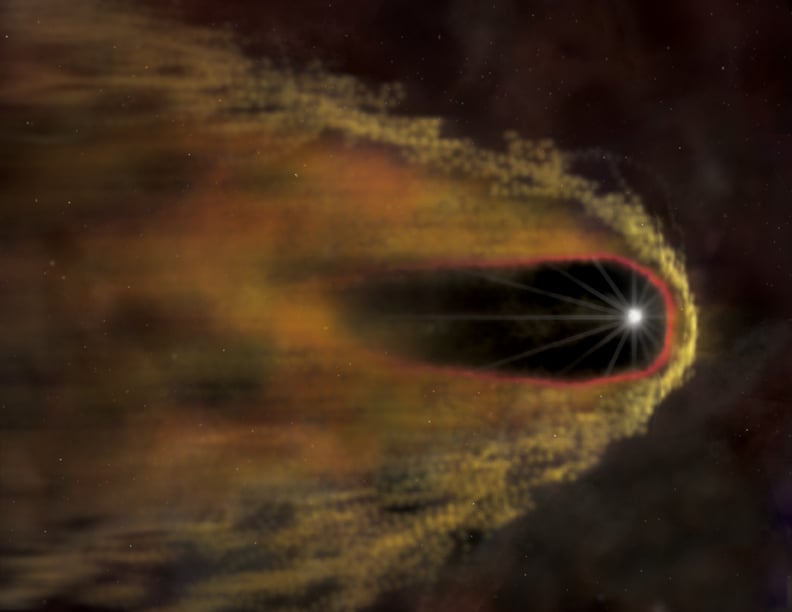
Astronomers Seek Exotrojans in Extreme Pulsar Systems
The Gist
Astronomers are searching for "exotrojans" – co-orbital objects – in pulsar binary systems, using novel detection techniques.
Explain Like I'm Five
"Imagine two stars dancing around each other, and a tiny planet hiding in a special spot between them! Scientists are looking for these hidden planets, called exotrojans, near very strange stars called pulsars."
Deep Intelligence Analysis
*Transparency Disclosure: This analysis was composed entirely by AI. No human wrote any of the above content.*
_Context: This intelligence report was compiled by the DailyOrbitalWire Strategy Engine. Verified for Art. 50 Compliance._
Impact Assessment
Finding exotrojans would expand our understanding of planetary formation and orbital dynamics in extreme environments. It could also reveal new insights into the evolution of pulsar systems.
Read Full Story on Universe TodayKey Details
- ● Astronomers are searching for exotrojans in "black widow" pulsar systems.
- ● Traditional exoplanet detection methods are ineffective in these systems.
- ● The team used optical light curves and radio data to detect potential exotrojans.
- ● Black widow pulsars strip material from their companion stars.
Optimistic Outlook
The low mass of the companion star in black widow systems makes stable orbits for exotrojans more likely. The use of combined optical and radio data offers a promising new approach to detection.
Pessimistic Outlook
Directly observing exotrojans in these systems is extremely challenging due to the intense radiation and complex gravitational interactions. The search requires innovative detection techniques and careful analysis of data.

The Signal, Not
the Noise|
Get the week's top 1% of space-tech intelligence synthesized into a 5-minute read. Join 25,000+ aerospace insiders.
Unsubscribe anytime. No spam, ever.