Fiber Optic Arrays Could Unlock Lunar Interior Secrets
The Gist
Deployment of fiber optic technology on the lunar surface could detect seismic activity and reveal details about the Moon's interior.
Explain Like I'm Five
"Imagine using a super-long telephone wire to listen to the Moon's rumbles! This helps us understand what's inside, like finding hidden tunnels."
Deep Intelligence Analysis
The use of fiber optic arrays could significantly improve our ability to image the lunar subsurface, map variations in the shallow crust, and identify buried structures like lava tubes. Cables exceeding 10 km would enable deep interior studies, while shorter deployments of hundreds of meters would suffice for characterizing thermal moonquakes and local shallow structure. Understanding the Moon's interior structure is crucial for comprehending its formation and evolution, including key details like the size and state of the core, the structure of the mantle, and the differences between the near and far sides.
However, the success of this technology depends on its ability to withstand the harsh lunar environment, including extreme temperatures, radiation, and micrometeoroid impacts. Deployment and maintenance of long fiber optic cables on the Moon could present significant challenges. Despite these challenges, the potential benefits of using fiber optic arrays for lunar seismology are substantial, offering a promising avenue for advancing our understanding of the Moon's interior and its place in the solar system.
_Context: This intelligence report was compiled by the DailyOrbitalWire Strategy Engine. Verified for Art. 50 Compliance._
Impact Assessment
Understanding the Moon's interior structure is crucial for comprehending its formation and evolution. Fiber optic arrays offer a cost-effective and efficient method for gathering dense seismic data.
Read Full Story on Universe TodayKey Details
- ● Distributed acoustic sensing (DAS) converts fiber-optic cable into thousands of sensors.
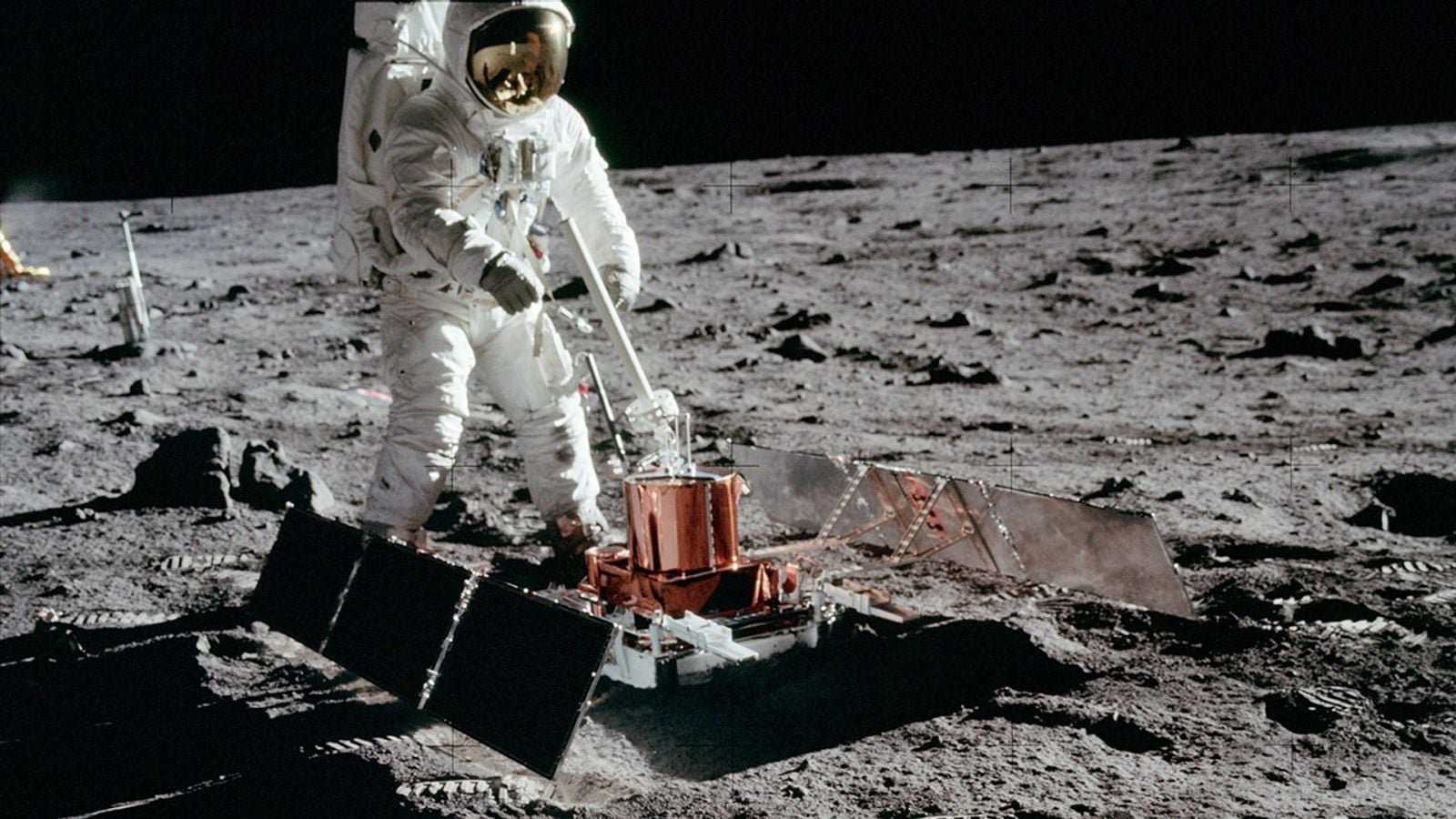
- ● Apollo-era seismometers detected over 12,000 seismic events over eight years.
- ● Cables exceeding 10 km would enable deep interior studies.
Optimistic Outlook
DAS technology could significantly improve our ability to image the lunar subsurface and identify buried structures like lava tubes. This could lead to the discovery of valuable resources and potential habitats.
Pessimistic Outlook
The success of this technology depends on its ability to withstand the harsh lunar environment. Deployment and maintenance of long fiber optic cables on the Moon could present significant challenges.

The Signal, Not
the Noise|
Get the week's top 1% of space-tech intelligence synthesized into a 5-minute read. Join 25,000+ aerospace insiders.
Unsubscribe anytime. No spam, ever.