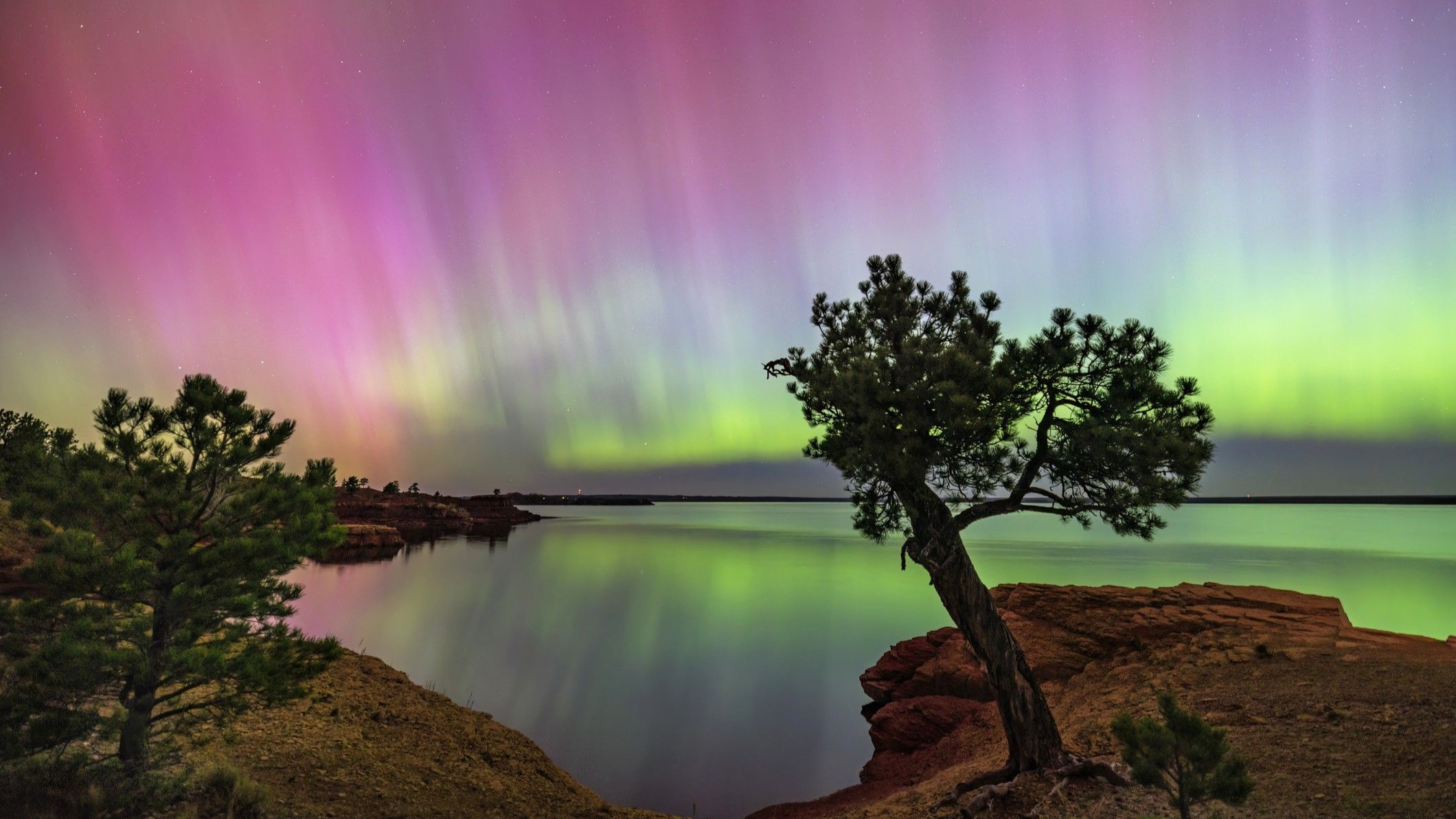
Geomagnetic Storm Could Trigger Auroras as Far South as Illinois
The Gist
A G2 geomagnetic storm watch is in effect, potentially bringing northern lights as far south as Illinois.
Explain Like I'm Five
"The sun burped out a big cloud that's hitting Earth! It might make pretty lights in the sky, even as far south as Illinois! But it can also mess with satellites."
Deep Intelligence Analysis
The timing of this event around the spring equinox is particularly noteworthy due to the Russell-McPherron effect. This effect enhances the coupling between the solar wind and Earth's magnetic field, increasing the likelihood of geomagnetic activity and aurora visibility. The equinox geometry allows for more efficient transfer of energy from the solar wind into the magnetosphere, leading to stronger auroral displays at lower latitudes.
As society becomes increasingly reliant on space-based infrastructure, understanding and mitigating the risks associated with space weather becomes paramount. Improved forecasting capabilities, coupled with robust engineering designs, are essential to protect critical assets from the potentially disruptive effects of geomagnetic storms. The aurora, while visually stunning, serves as a reminder of the powerful forces at play in our solar system and the need for continued vigilance in monitoring and predicting space weather events.
*Transparency Disclosure: This analysis was generated by an AI model. While efforts have been made to ensure accuracy and objectivity, readers are encouraged to consult multiple sources before making decisions.*
_Context: This intelligence report was compiled by the DailyOrbitalWire Strategy Engine. Verified for Art. 50 Compliance._
Impact Assessment
Geomagnetic storms can disrupt satellite communications and power grids. However, they also create opportunities for spectacular aurora displays, connecting people to space weather events.
Read Full Story on Space.comKey Details
- ● NOAA issued a G2 geomagnetic storm warning for March 19.
- ● The storm is caused by a coronal mass ejection (CME) from the sun.
- ● Aurora sightings are possible as far south as New York and Idaho.
- ● There is a chance the storm could reach G3 levels, extending aurora visibility to Illinois and Oregon.
Optimistic Outlook
The Russell-McPherron effect enhances aurora visibility during equinoxes. Increased awareness and forecasting of space weather events can lead to better preparedness and appreciation of natural phenomena.
Pessimistic Outlook
Stronger geomagnetic storms (G3+) can cause more significant disruptions to infrastructure. Reliance on space-based assets makes society increasingly vulnerable to space weather events.

The Signal, Not
the Noise|
Get the week's top 1% of space-tech intelligence synthesized into a 5-minute read. Join 25,000+ aerospace insiders.
Unsubscribe anytime. No spam, ever.