Hypergravity Exposure Alters Fruit Fly Biology Over Generations
The Gist
Researchers studied the impact of hypergravity on fruit flies across multiple generations, finding altered movement and energy management.
Explain Like I'm Five
"Imagine if the Earth pulled you down much harder! Scientists made tiny flies live in a spinning machine that felt like stronger gravity. The flies moved around less and used energy differently, but some got super active when they came back to normal gravity!"
Deep Intelligence Analysis
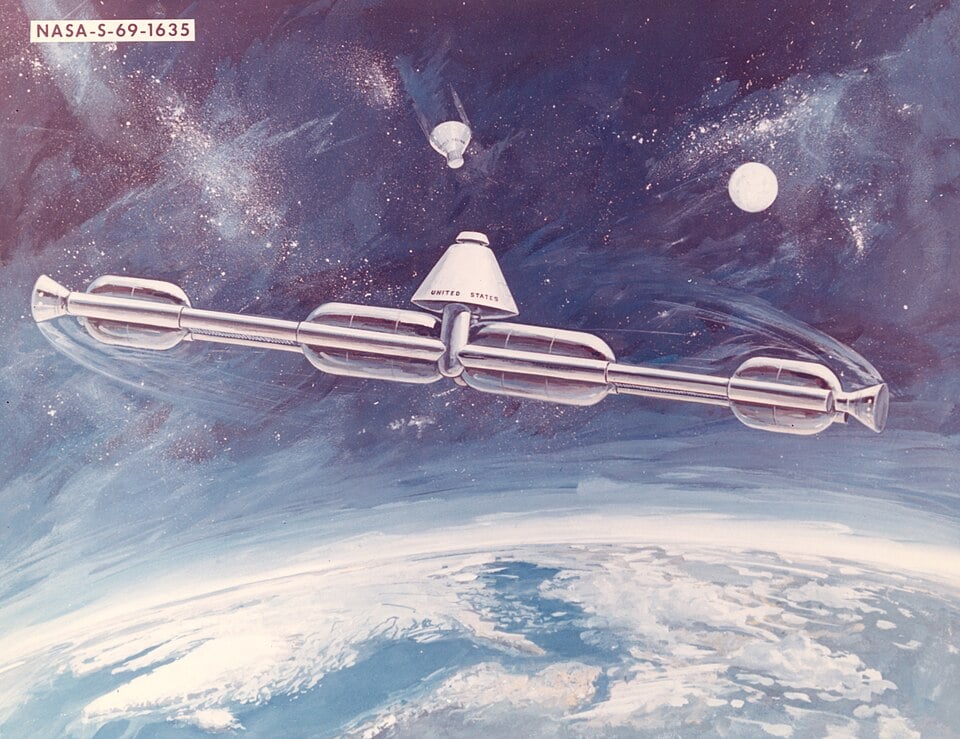
These observations suggest that hypergravity places significant demands on an organism's energy reserves and can alter its movement patterns. The fact that these effects were observed across multiple generations highlights the potential for long-term adaptation to altered gravitational forces. This has implications for the design of artificial gravity systems in space, as well as for understanding the potential health risks associated with prolonged exposure to hypergravity environments.
Further research is needed to determine the extent to which these findings translate to humans and other organisms. However, this study provides a foundation for future investigations into the biological effects of altered gravity and the development of strategies for mitigating potential negative impacts on astronauts during long-duration space missions. The study also underscores the importance of considering the long-term effects of hypergravity on multiple generations, as this may reveal unforeseen adaptations and challenges.
_Context: This intelligence report was compiled by the DailyOrbitalWire Strategy Engine. Verified for Art. 50 Compliance._
Impact Assessment
Understanding the biological effects of hypergravity is crucial for long-duration space missions and designing artificial gravity environments. This research offers insights into how organisms adapt to altered gravitational forces and manage energy expenditure.
Read Full Story on Universe TodayKey Details
- ● Fruit flies were exposed to 4G, 7G, 10G, and 13G accelerations for 24 hours or multiple generations.
- ● Spontaneous movement in flies diminished even at 4G, with reduced walking distance and complexity.
- ● Lipid level samples showed time- and gravity-dependent changes in energy store management.
- ● Flies exposed to 4G showed hyperactivity after returning to normal gravity.
Optimistic Outlook
The study's findings could lead to strategies for mitigating the negative effects of altered gravity on astronauts. Understanding how organisms adapt to hypergravity may inform the design of more efficient artificial gravity systems, enhancing the feasibility of long-duration space travel and habitation.
Pessimistic Outlook
The diminished spontaneous movement and altered energy management observed in the flies raise concerns about the long-term health impacts of hypergravity. Further research is needed to determine if similar effects occur in humans and to develop countermeasures to prevent potential health problems during extended space missions.

The Signal, Not
the Noise|
Get the week's top 1% of space-tech intelligence synthesized into a 5-minute read. Join 25,000+ aerospace insiders.
Unsubscribe anytime. No spam, ever.