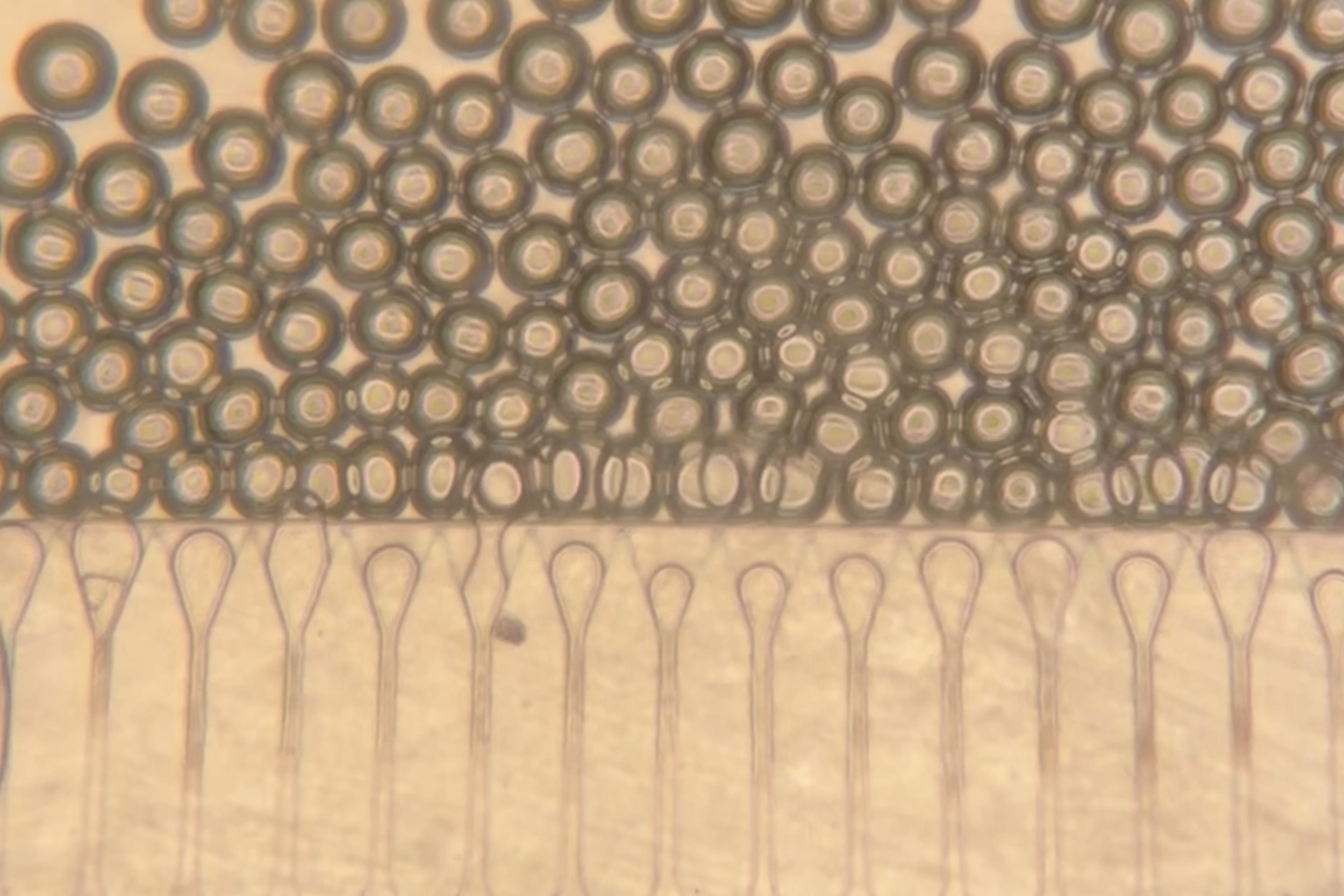
Injectable 'Satellite Livers' Offer Potential Alternative to Transplants
The Gist
MIT engineers develop injectable "mini livers" as a potential alternative to liver transplants, showing viability in mice.
Explain Like I'm Five
"Imagine tiny helpers for your liver that you can inject like a shot! These helpers can do some of the liver's work if it's not feeling well."
Deep Intelligence Analysis
Transparency Footnote: This analysis was conducted by an AI, model Gemini 2.5 Flash, based solely on the provided source content. The AI has no prior knowledge of MIT or regenerative medicine, and the analysis reflects only the information contained within the article.
_Context: This intelligence report was compiled by the DailyOrbitalWire Strategy Engine. Verified for Art. 50 Compliance._
Impact Assessment
This technology could offer a less invasive alternative to liver transplantation for patients with chronic liver disease. The injectable "satellite livers" could supplement the function of a failing liver, improving patient outcomes.
Read Full Story on Hacker News SpaceKey Details
- ● MIT engineers developed injectable "mini livers" composed of hepatocytes, fibroblasts, and hydrogel microspheres.
- ● Injected liver cells remained viable in mice for at least two months.
- ● The cells generated liver-specific enzymes and proteins.
- ● Hydrogel microspheres provide a niche for cell survival and integration with host circulation.
Optimistic Outlook
If successful in human trials, this approach could significantly reduce the demand for donor livers and improve the quality of life for patients awaiting transplants. The technology could also be adapted for other organ failures.
Pessimistic Outlook
The technology is still in early stages of development and faces challenges in scaling up production and ensuring long-term viability and safety in humans. Immune rejection and potential side effects need to be carefully evaluated.

The Signal, Not
the Noise|
Get the week's top 1% of space-tech intelligence synthesized into a 5-minute read. Join 25,000+ aerospace insiders.
Unsubscribe anytime. No spam, ever.