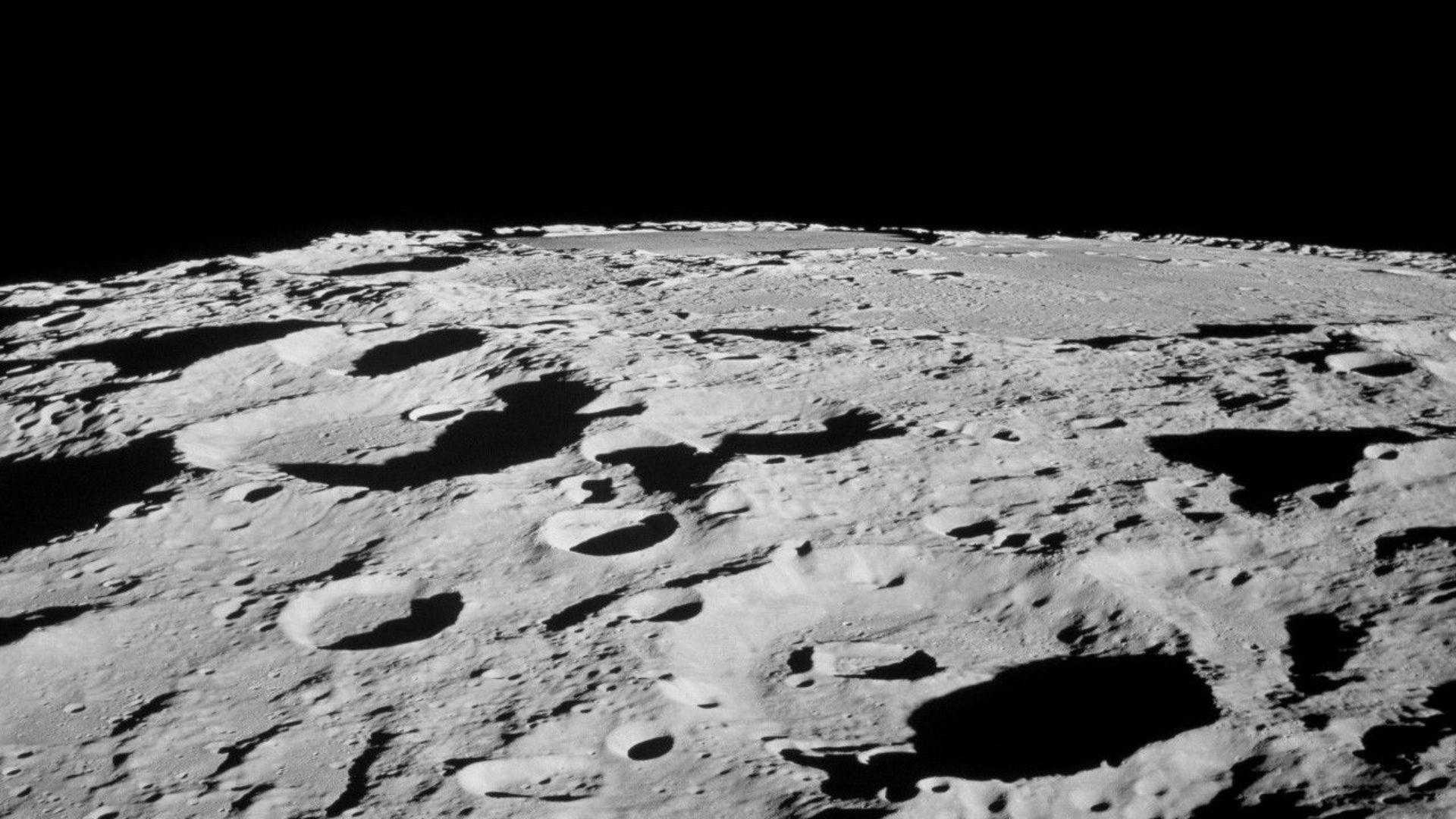
Lunar Craters as Natural Labs for Laser-Based GPS
The Gist
Ultrastable lasers in permanently shadowed lunar craters could enable a GPS-like navigation system for Artemis missions.
Explain Like I'm Five
"Imagine putting super-accurate laser pointers in dark, cold holes on the Moon. These lasers can help astronauts find their way around without needing help from Earth!"
Deep Intelligence Analysis
The implications for lunar exploration and development are significant. A functional lunar GPS would provide precise positioning and timing data, enabling autonomous navigation for rovers, spacecraft, and astronauts. This would reduce dependence on Earth-based tracking, which is subject to delays and limitations due to signal propagation time. Furthermore, a lunar GPS could facilitate more efficient resource utilization, construction, and scientific research on the Moon.
However, the implementation of such a system faces considerable challenges. Deploying and maintaining sensitive laser equipment in the harsh lunar environment requires robust engineering solutions. The long-term stability and accuracy of the laser systems must be ensured despite potential degradation from radiation exposure and micrometeoroid impacts. Further research and development are needed to validate the feasibility and reliability of this concept. The success of this initiative hinges on overcoming these technical hurdles and demonstrating the long-term viability of laser-based lunar navigation.
_Context: This intelligence report was compiled by the DailyOrbitalWire Strategy Engine. Verified for Art. 50 Compliance._
Impact Assessment
A lunar GPS would reduce reliance on Earth-based tracking, enhancing the autonomy and precision of lunar missions. This technology could be crucial for establishing long-term lunar bases and supporting extensive exploration.
Read Full Story on Space.comKey Details
- ● Permanently shadowed craters reach temperatures of -370 degrees Fahrenheit (-223 degrees Celsius).
- ● The proposed system uses silicon optical cavities to stabilize laser light.
- ● Lunar craters offer a naturally high-vacuum environment and low vibration levels.
Optimistic Outlook
The natural conditions in lunar craters could simplify the operation of ultrastable lasers, reducing the need for complex cooling and vibration isolation systems. This could lead to more efficient and reliable navigation systems, accelerating lunar development.
Pessimistic Outlook
The extreme cold and darkness of lunar craters present significant engineering challenges for deploying and maintaining laser systems. Ensuring the long-term stability and accuracy of the system in such a harsh environment will be critical.

The Signal, Not
the Noise|
Get the week's top 1% of space-tech intelligence synthesized into a 5-minute read. Join 25,000+ aerospace insiders.
Unsubscribe anytime. No spam, ever.