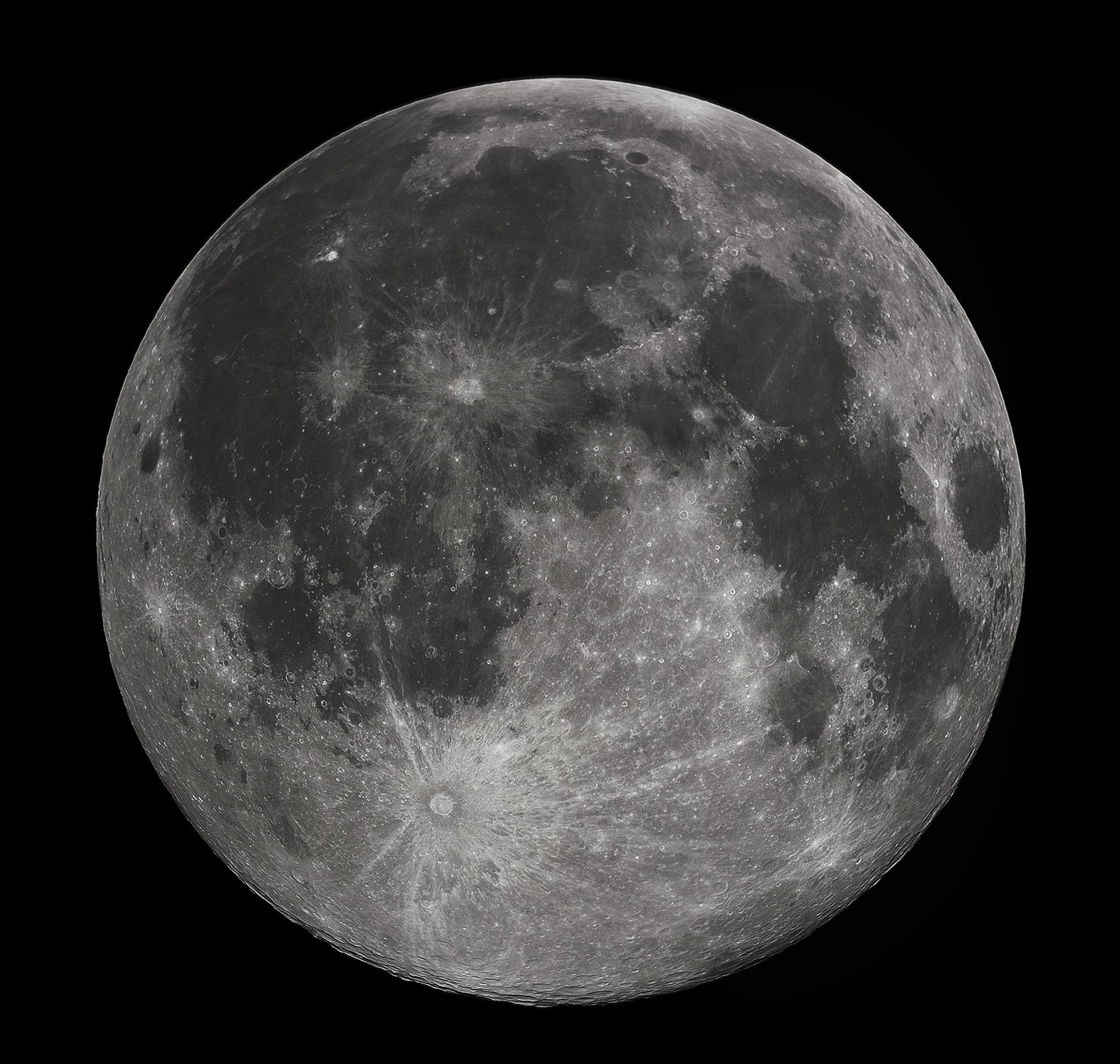
Lunar Formation Mysteries Persist Despite Apollo Missions
The Gist
Planetary scientists still debate the Moon's formation, particularly the size and impact of Theia.
Explain Like I'm Five
"Imagine Earth got bumped by a big space rock a long, long time ago, and that bump made the Moon. Scientists are still trying to figure out exactly how big that rock was and how it all happened!"
Deep Intelligence Analysis
The analysis of Apollo samples, such as the Genesis rock, provides crucial insights into the Moon's early composition and geological processes. The presence of plagioclase on the lunar surface suggests a large-scale magma ocean that differentiated over time. Researchers like Wim van Westrenen are recreating lunar conditions in the lab to study the solidification of this magma ocean and the formation of lunar minerals.
Understanding the Moon's formation is essential for comprehending the early evolution of the Earth-Moon system. It also has implications for future lunar exploration and resource utilization. A more detailed knowledge of lunar geology could aid in identifying potential sources of water ice and other valuable resources. However, the challenges of accurately modeling the impact event and interpreting the available data mean that the mysteries of lunar formation may persist for some time. The research is crucial for informing future ISRU missions and understanding the broader context of planetary formation within our solar system.
*Transparency: This analysis was conducted by an AI model to provide a concise summary of the provided article. The AI has no conflicts of interest and is trained to provide objective information.*
_Context: This intelligence report was compiled by the DailyOrbitalWire Strategy Engine. Verified for Art. 50 Compliance._
Impact Assessment
Understanding the Moon's formation provides insights into Earth's early history and planetary evolution. Analyzing lunar samples and recreating lunar conditions in labs helps refine formation theories.
Read Full Story on Universe TodayKey Details
- ● The Moon likely formed from a major impact by an object called Theia approximately 4.51 billion years ago.
- ● The estimated size of Theia ranges from proto-Mercury-sized to half the size of Earth.
- ● Apollo rock samples, like the 4.46-billion-year-old Genesis rock, are chemically similar to Earth's volcanic basalts.
- ● The Moon may have been entirely molten, with a 1700-kilometer-deep magma ocean.
Optimistic Outlook
Continued research into lunar samples and simulated lunar conditions could yield a more precise understanding of the Moon's formation timeline. This knowledge could inform future ISRU efforts by identifying resource concentrations and geological structures.
Pessimistic Outlook
The complexity of lunar formation and the limitations of current analytical techniques may hinder definitive conclusions. Discrepancies between models and sample data could lead to prolonged uncertainty.

The Signal, Not
the Noise|
Get the week's top 1% of space-tech intelligence synthesized into a 5-minute read. Join 25,000+ aerospace insiders.
Unsubscribe anytime. No spam, ever.