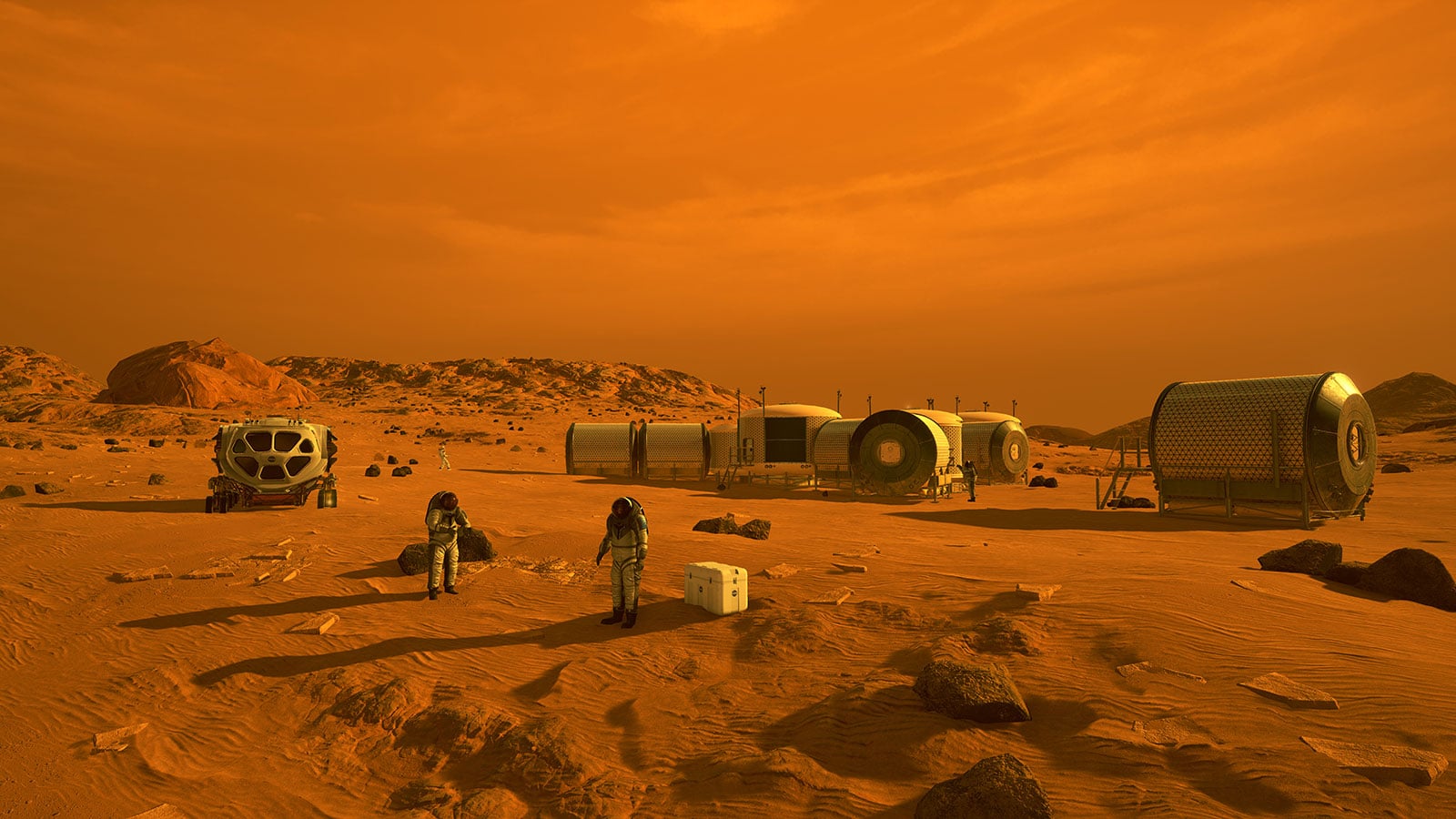
Martian Gravity's Impact on Skeletal Muscle Studied
The Gist
Research indicates that partial gravity environments, like that of Mars, impact skeletal muscle atrophy.
Explain Like I'm Five
"Imagine you're on Mars, which has weaker gravity than Earth. This experiment with mice shows that weaker gravity can make your muscles weaker, but we can use special machines to help keep them strong!"
Deep Intelligence Analysis
The implications of this research extend to the planning and execution of future Mars missions. Maintaining astronaut health and physical capabilities is paramount for mission success, and understanding the physiological effects of Martian gravity is a crucial step in achieving this goal. The study highlights the importance of continued research into the long-term effects of partial gravity on various physiological systems, including bone density, cardiovascular function, and immune response.
Furthermore, the development of effective countermeasures will require a multidisciplinary approach, integrating expertise from various fields, including exercise physiology, nutrition, and biomedical engineering. The successful translation of these findings from animal models to human subjects will be essential for ensuring the safety and well-being of astronauts during extended stays on Mars. The research underscores the need for continued investment in space-based research and the development of innovative technologies to mitigate the health risks associated with long-duration spaceflight.
*Transparency: This analysis was conducted by an AI model to provide a concise summary of the provided article. The AI has been trained to avoid generating misleading or harmful content.*
_Context: This intelligence report was compiled by the DailyOrbitalWire Strategy Engine. Verified for Art. 50 Compliance._
Impact Assessment
Understanding the effects of Martian gravity on muscle health is crucial for long-duration Mars missions. Countermeasures developed from these studies could ensure astronaut well-being and mission success.
Read Full Story on Universe TodayKey Details
- ● Martian gravity is approximately 38% of Earth's gravity.
- ● Skeletal muscle accounts for over 40% of human body mass.
- ● Mice exposed to 0.33 g (close to Martian gravity) showed mitigated muscle atrophy.
- ● Full prevention of muscle atrophy occurred at 0.67 g in mice experiments.
Optimistic Outlook
The study's findings suggest that targeted interventions, such as artificial gravity or specific exercises, could effectively counteract muscle atrophy in Martian environments. This opens possibilities for optimizing astronaut health and performance during extended stays on Mars.
Pessimistic Outlook
While the study offers promising results, translating these findings from mice to humans requires further research. The long-term effects of partial gravity on other physiological systems also need investigation to fully understand the challenges of Martian habitation.

The Signal, Not
the Noise|
Get the week's top 1% of space-tech intelligence synthesized into a 5-minute read. Join 25,000+ aerospace insiders.
Unsubscribe anytime. No spam, ever.