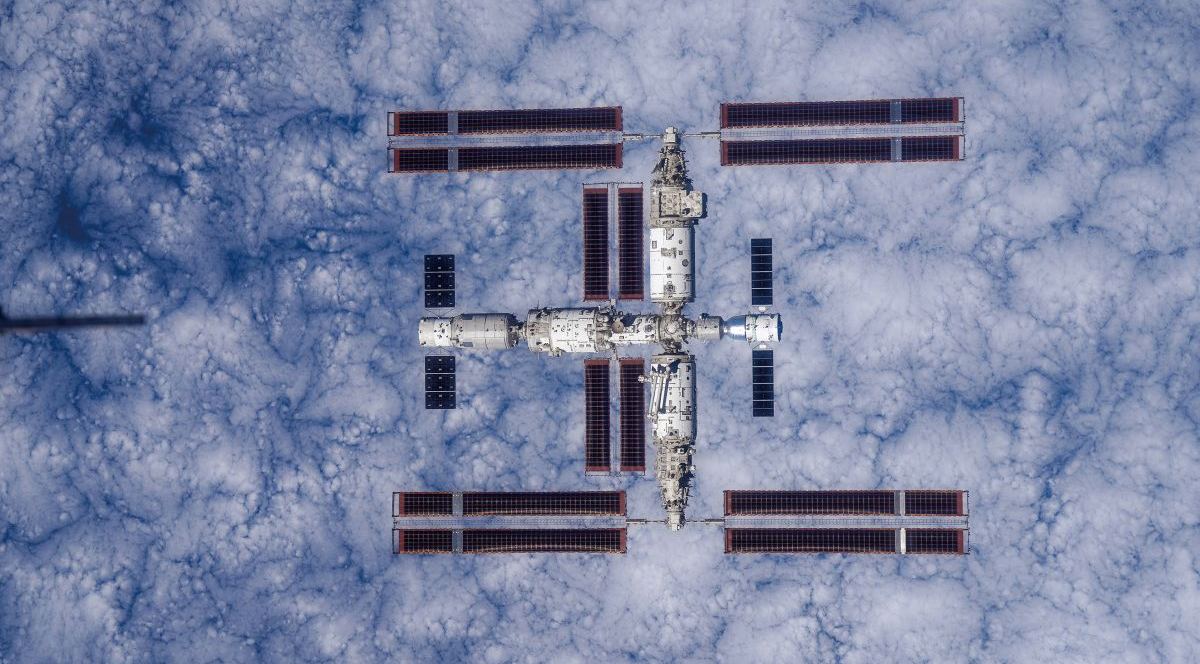
Microgravity's Impact on Liver Metabolism Studied Aboard Tiangong Space Station
The Gist
Research aboard Tiangong reveals microgravity promotes fatty acid and cholesterol synthesis in liver cells, identifying SREBPs as potential therapeutic targets.
Explain Like I'm Five
"Imagine your liver is like a tiny chef in your body. In space, this chef starts making too much fat. Scientists found a way to help the chef stay healthy in space, so astronauts can stay healthy too."
Deep Intelligence Analysis
_Context: This intelligence report was compiled by the DailyOrbitalWire Strategy Engine. Verified for Art. 50 Compliance._
Impact Assessment
Understanding microgravity's effects on liver health is crucial for long-duration space missions. Identifying SREBPs as therapeutic targets could mitigate liver damage in astronauts.
Read Full Story on Universe TodayKey Details
- ● Microgravity exposure increases the risk of metabolic dysfunction-associated steatotic liver disease (MASLD).
- ● Spaceflight promotes fatty acid and cholesterol synthesis by activating sterol regulatory element-binding proteins (SREBPs).
- ● Shear flow stress, simulating blood flow, may have a protective effect on liver cells in microgravity.
Optimistic Outlook
Targeting SREBPs offers a potential pathway for maintaining astronaut liver health during deep-space missions. Further research could lead to effective countermeasures against microgravity-induced liver damage.
Pessimistic Outlook
Increased lipid dysregulation and hepatic damage pose significant health risks for astronauts on long missions. Developing effective mitigation strategies is essential to ensure astronaut well-being.

The Signal, Not
the Noise|
Get the week's top 1% of space-tech intelligence synthesized into a 5-minute read. Join 25,000+ aerospace insiders.
Unsubscribe anytime. No spam, ever.