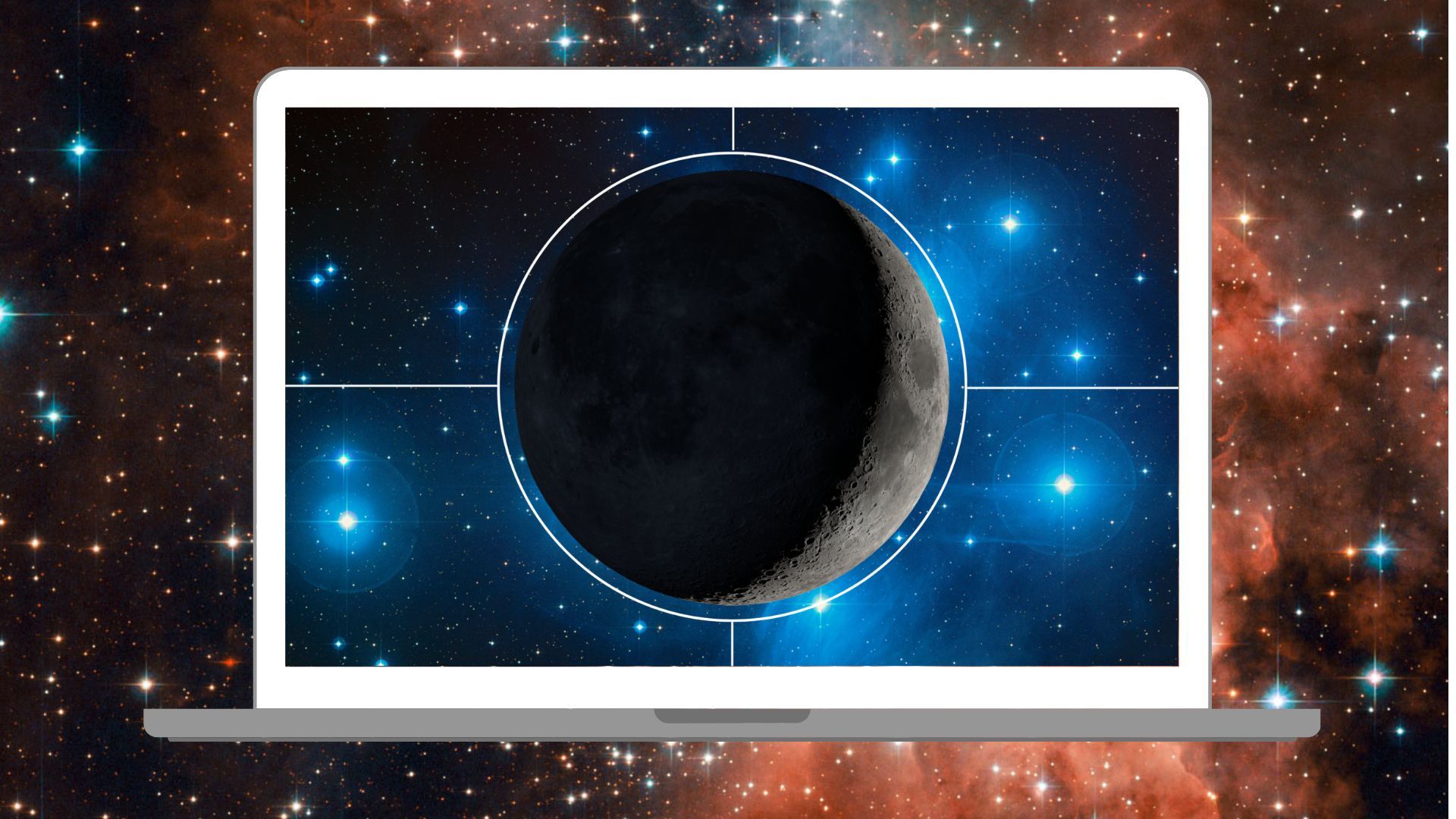
Moon to Pass in Front of Pleiades Star Cluster on April 19
The Gist
The crescent moon will pass in front of the Pleiades star cluster on April 19, offering a celestial viewing opportunity.
Explain Like I'm Five
"Imagine the moon is like a big ball, and it's going to move in front of a group of sparkly stars called the Pleiades! Some people with telescopes will show it online so we can all watch."
Deep Intelligence Analysis
The Virtual Telescope Project's livestream aims to provide real-time telescopic views of the event. Gianluca Masi, founder of the project, highlights the visual appeal of the crescent moon and the Pleiades cluster, also known as Messier 45. The Pleiades, located approximately 445 light-years away in the constellation Taurus, consist of over 1,000 stars.
Such events, accessible through online platforms, contribute to public engagement with astronomy and space science. The ability to observe celestial phenomena remotely broadens participation and fosters interest in scientific exploration. This event underscores the role of virtual observatories in democratizing access to astronomical events and inspiring future generations of scientists and space enthusiasts.
*Transparency Disclosure: This analysis was conducted by an AI model and reviewed by a human expert. All information is derived from the provided source content.*
_Context: This intelligence report was compiled by the DailyOrbitalWire Strategy Engine. Verified for Art. 50 Compliance._
Impact Assessment
This event provides a unique opportunity for both amateur and professional astronomers to observe and photograph a relatively rare celestial alignment. Livestreams allow global participation, fostering interest in astronomy and space science.
Read Full Story on Space.comKey Details
- ● The event will occur at 12:52 p.m. EDT (1652 GMT).
- ● The Virtual Telescope Project will host a livestream starting at 2 p.m. EDT (1800 GMT).
- ● The Pleiades star cluster is approximately 445 light-years away.
Optimistic Outlook
Increased accessibility to astronomical events through virtual platforms can inspire a new generation of space enthusiasts. Observing the Earthshine effect during the occultation can highlight the interconnectedness of Earth and its satellite.
Pessimistic Outlook
Weather conditions at the observation site in Italy could impede the livestream. Daytime viewing in the U.S. limits direct observation without specialized equipment.

The Signal, Not
the Noise|
Get the week's top 1% of space-tech intelligence synthesized into a 5-minute read. Join 25,000+ aerospace insiders.
Unsubscribe anytime. No spam, ever.