NASA's CLD Vision Shift Sparks Debate on Commercial Viability
The Gist
NASA's proposed phased approach to Commercial LEO Destinations (CLDs) faces scrutiny over economic viability and market demand.
Explain Like I'm Five
"Imagine NASA wants to build a space hotel, but they're worried only one company will build it. So, they want to build a shared room that different companies can attach their own cool bedrooms to. But some people think there are already lots of people who want to stay in space hotels, and NASA is slowing things down."
Deep Intelligence Analysis
However, the commercial sector, represented by the Commercial Space Federation, argues that there is substantial demand for CLD services, citing significant private capital investments and pre-sold rack space on future stations. The disagreement extends to the potential for cost reduction compared to the ISS, with NASA highlighting the high cost of transportation while others point to SpaceX's achievements in lowering human spaceflight expenses.
The uncertainty surrounding NASA's CLD program could have significant implications for the future of space station development and commercial opportunities in LEO. A lack of clear direction and potential delays may discourage private investment and hinder the growth of a robust commercial space economy. The success of the CLD program hinges on NASA's ability to effectively balance its role in fostering commercial development with the need to ensure a sustainable and competitive market.
_Context: This intelligence report was compiled by the DailyOrbitalWire Strategy Engine. Verified for Art. 50 Compliance._
Impact Assessment
The debate highlights the challenges in transitioning from government-funded space infrastructure to a commercially viable LEO economy. Conflicting views on market demand and cost-cutting potential could impact the future of space station development and commercial opportunities.
Read Full Story on Payload SpaceKey Details
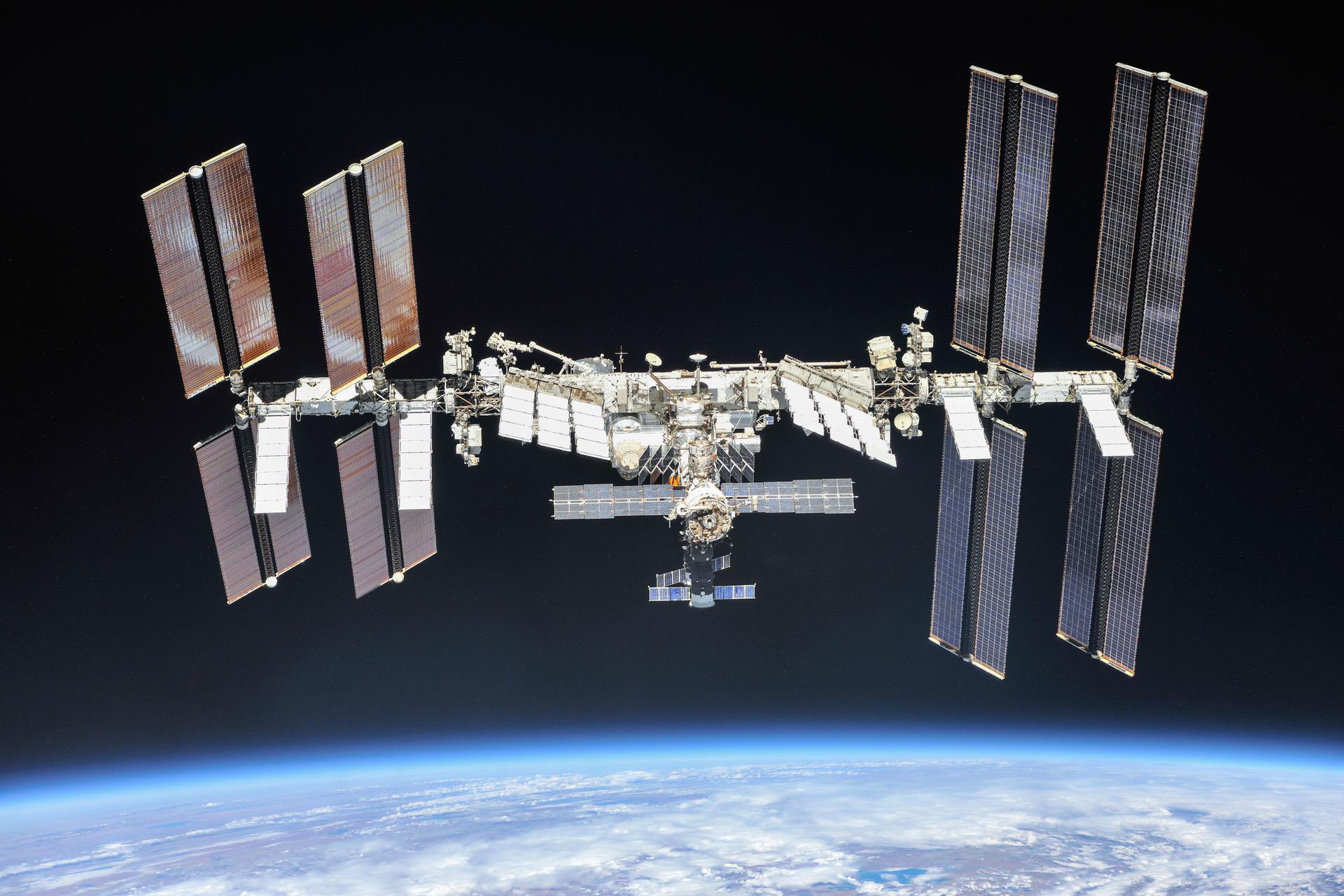
- ● NASA proposes a new core module for the ISS to support commercial segments.
- ● The Commercial Space Federation claims its members have raised billions in private capital and are 'sold out of commercial rack space'.
- ● NASA spends approximately $2B annually on transportation to the ISS.
- ● NASA aims to avoid a scenario with a single CLD provider.
Optimistic Outlook
If NASA's phased approach fosters competition and reduces risk, it could attract more private investment and accelerate the development of diverse commercial capabilities in LEO. A shared core module could lower entry barriers for new companies and promote innovation.
Pessimistic Outlook
The lack of consensus and potential delays in NASA's CLD program could discourage private investment and hinder the development of a robust commercial LEO economy. If NASA's concerns about market demand are valid, CLD providers may struggle to fill capacity and achieve profitability.

The Signal, Not
the Noise|
Get the week's top 1% of space-tech intelligence synthesized into a 5-minute read. Join 25,000+ aerospace insiders.
Unsubscribe anytime. No spam, ever.