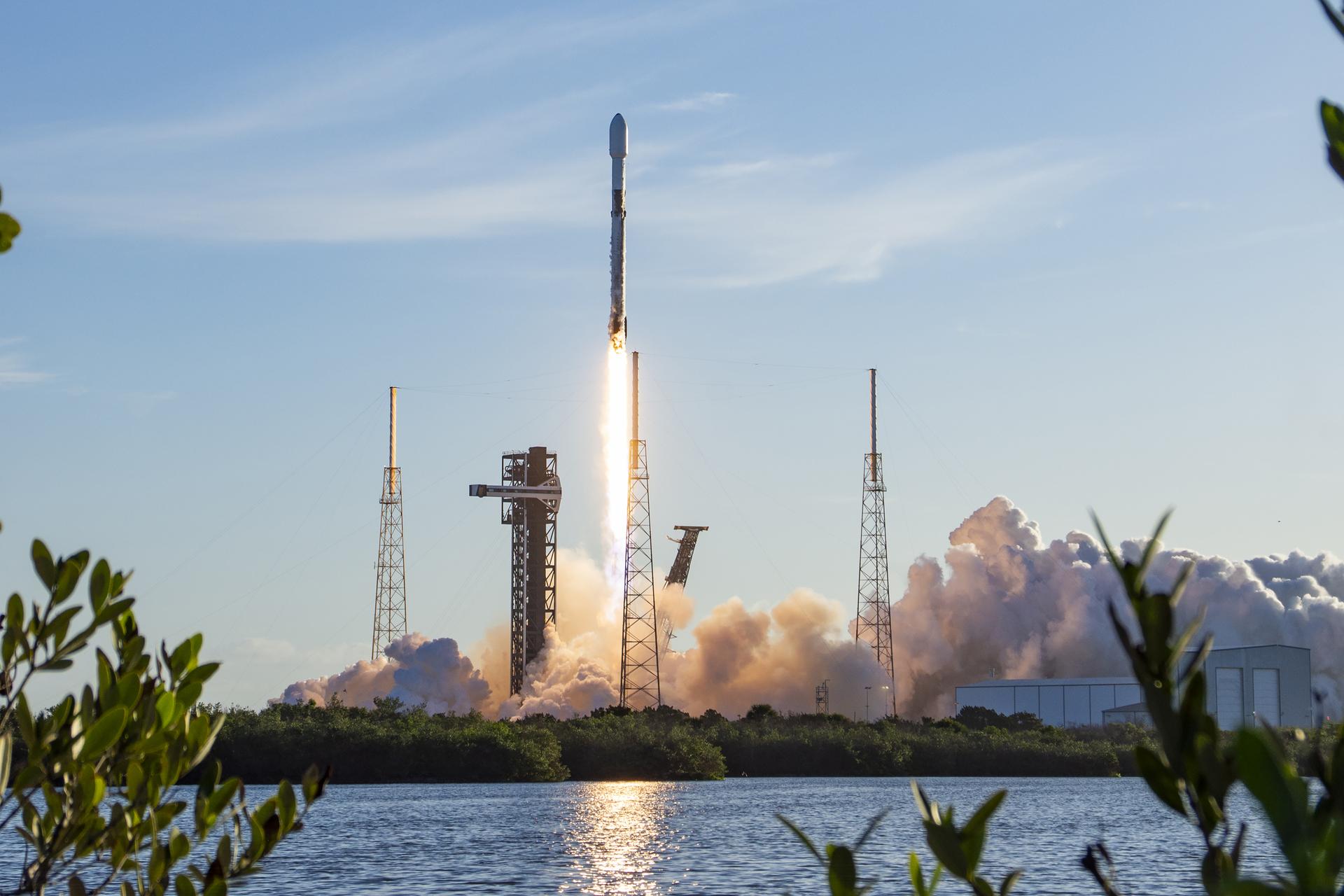
NASA Launches Six CubeSats to International Space Station
The Gist
Six CubeSats, built by U.S. educational institutions and non-profits, launched to the ISS as part of Northrop Grumman CRS-24 mission.
Explain Like I'm Five
"NASA sent tiny satellites to the space station! These satellites, built by students and groups, will do experiments in space to help us learn new things."
Deep Intelligence Analysis
Transparency Compliance: This analysis was generated by an AI model and reviewed by a human expert to ensure accuracy and relevance to the provided source material. No original data was used beyond the submitted article.
_Context: This intelligence report was compiled by the DailyOrbitalWire Strategy Engine. Verified for Art. 50 Compliance._
Impact Assessment
The launch of these CubeSats provides valuable opportunities for research and development in space. It also supports educational institutions and non-profit organizations in advancing space technology.
Read Full Story on NASA Space StationKey Details
- ● Six CubeSats launched as part of the Northrop Grumman CRS-24 mission on April 11.
- ● The CubeSats were launched under NASA's CubeSat Launch Initiative (CSLI).
- ● The CubeSats were built by U.S. educational institutions and non-profit organizations.
- ● The Cygnus XL spacecraft carried approximately 11,000 pounds of cargo.
Optimistic Outlook
The CubeSat Launch Initiative fosters innovation and provides hands-on experience for students and researchers. Successful CubeSat missions can lead to breakthroughs in various fields, including Earth observation and communications.
Pessimistic Outlook
CubeSat missions are often constrained by limited resources and short lifespans. The success of these missions depends on the proper deployment and functionality of the CubeSats in orbit.

The Signal, Not
the Noise|
Get the week's top 1% of space-tech intelligence synthesized into a 5-minute read. Join 25,000+ aerospace insiders.
Unsubscribe anytime. No spam, ever.