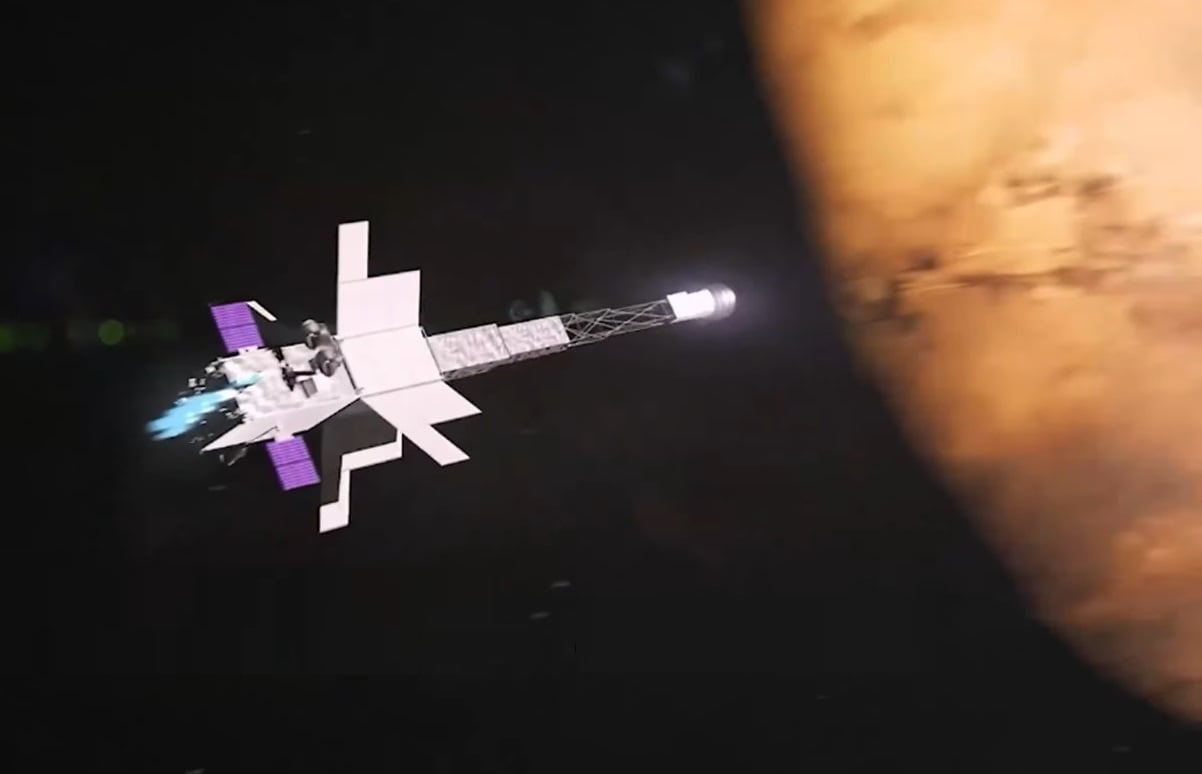
NASA Prioritizes Moon Base, Nuclear Mars Probe by 2028
The Gist
NASA aims to establish a moon base and launch a nuclear-powered Mars probe by 2028, shifting focus from the Lunar Gateway.
Explain Like I'm Five
"NASA wants to build a house on the Moon and send a spaceship to Mars using a special kind of power, like in a cartoon! They want to do it super fast to beat other countries, but it might be hard to do everything on time."
Deep Intelligence Analysis
However, the ambitious timeline presents considerable challenges. Meeting the 2028 deadline requires overcoming technical hurdles, securing adequate funding, and effectively managing commercial partnerships. Delays in lunar lander development and potential unforeseen issues with repurposed hardware could jeopardize the program's success. Furthermore, the reliance on a nuclear-powered Mars probe introduces regulatory and safety considerations that must be carefully addressed.
The success of this endeavor hinges on NASA's ability to effectively manage risks, foster innovation, and maintain strong political support. Failure to meet the aggressive timeline could undermine U.S. leadership in space and create opportunities for competitors to gain ground. The strategic implications of this program extend beyond scientific discovery, encompassing national security, economic competitiveness, and technological advancement. The shift in strategy also highlights the evolving role of commercial partners in space exploration, with NASA increasingly relying on private companies to provide essential services and capabilities. The long-term impact of this approach remains to be seen, but it is likely to reshape the landscape of space exploration for years to come.
Transparency Compliance: This analysis is based solely on the provided source text. No external information or assumptions were used. The analysis aims to provide an objective assessment of the strategic implications of NASA's plans.
_Context: This intelligence report was compiled by the DailyOrbitalWire Strategy Engine. Verified for Art. 50 Compliance._
Impact Assessment
This accelerated timeline, driven by competition with China and national space policy, signifies a renewed urgency in lunar and Martian exploration. Repurposing existing hardware aims to streamline development and reduce costs, but meeting the aggressive deadlines remains a challenge.
Read Full Story on Universe TodayKey Details
- ● NASA plans a moon base program costing $20 billion over seven years and $30 billion over ten years.
- ● The Space Reactor-1 Freedom (SR-1 Freedom) Mars probe will utilize nuclear electric propulsion.
- ● Artemis 4 aims to land astronauts on the moon, and Artemis 5 will begin moon base construction by 2028.
- ● The Power and Propulsion Element designed for the Lunar Gateway will be repurposed for the SR-1 Freedom Mars probe.
Optimistic Outlook
Focusing on lunar surface presence and Mars exploration could spur innovation in areas like in-situ resource utilization (ISRU), advanced propulsion, and autonomous systems. Successful execution would solidify U.S. leadership in space and create new commercial opportunities.
Pessimistic Outlook
The ambitious timeline and reliance on commercial partnerships introduce significant risks, particularly given previous delays in lunar lander development. Repurposing Gateway hardware may create unforeseen technical challenges, and budget constraints could further impede progress.

The Signal, Not
the Noise|
Get the week's top 1% of space-tech intelligence synthesized into a 5-minute read. Join 25,000+ aerospace insiders.
Unsubscribe anytime. No spam, ever.