BREAKING: Awaiting the latest intelligence wire...
Back to Wire
NASA Tech Advances Earthly Construction with 3D Printing
Habitats & ISRU

NASA Tech Advances Earthly Construction with 3D Printing

Source: NASA Technology Original Author: Rebecca Carroll; Andrew Wagner Intelligence Analysis by Gemini

The Gist

NASA-supported 3D printing tech for lunar habitats is now enhancing construction on Earth.

Explain Like I'm Five

"NASA helped invent a special 3D printer for building houses on the Moon, and now we can use it to make cool and strong buildings here on Earth!"

Deep Intelligence Analysis

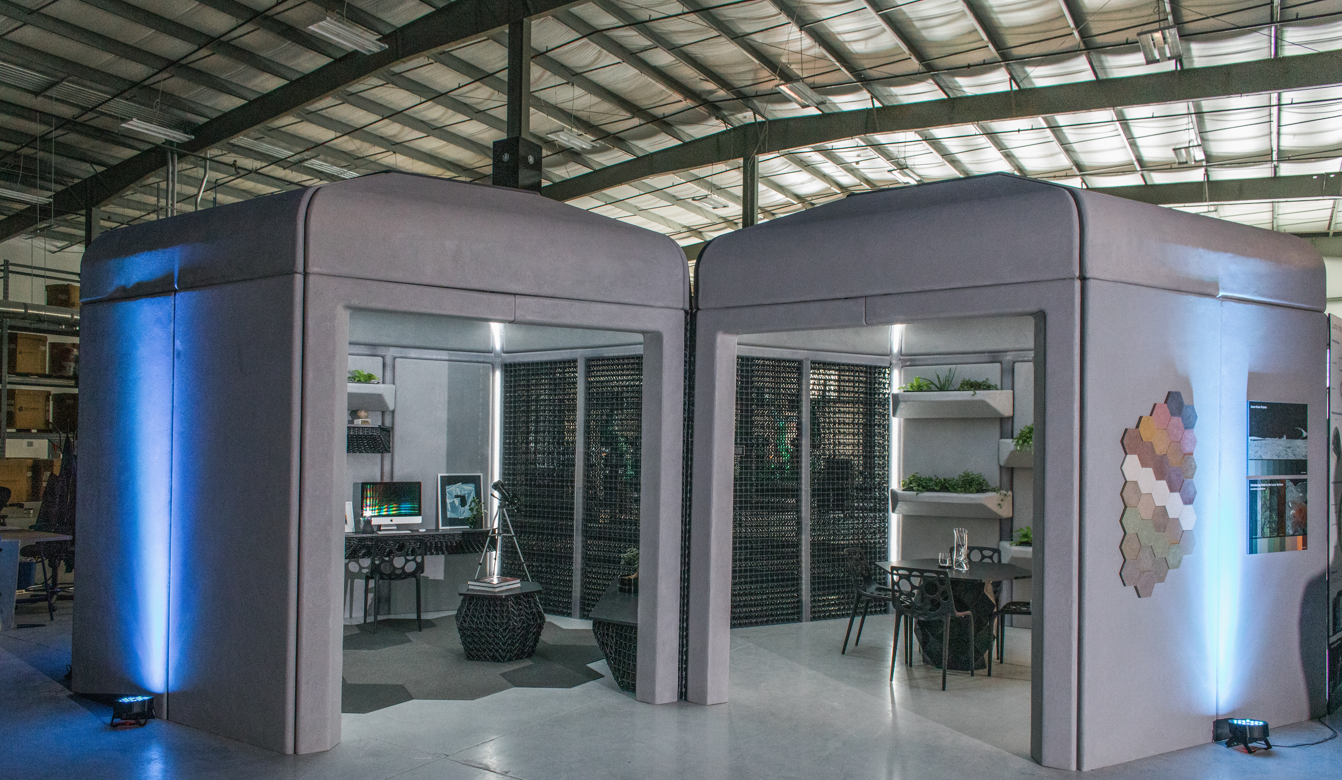
Branch Technology's adaptation of NASA-supported 3D printing technology for terrestrial construction exemplifies the potential of space-based research to revolutionize industries on Earth. The company's Freeform 3D Printing process, initially developed for lunar habitat construction, offers a novel approach to building design, utilizing lightweight lattice structures that minimize material usage and enable unique architectural forms. This technology not only addresses the challenges of constructing habitats in extreme environments but also presents significant advantages for terrestrial construction, including reduced material costs, improved energy efficiency, and enhanced structural integrity. The use of basalt fiber-reinforced plastic, derived from NASA's research on Martian regolith-based construction materials, further underscores the potential for in-situ resource utilization (ISRU) technologies to drive innovation in sustainable construction practices. However, the widespread adoption of this technology faces several challenges, including regulatory approvals, the need for specialized training and equipment, and the long-term durability of 3D-printed structures. Overcoming these hurdles will require collaboration between industry, government, and research institutions to establish standards, develop best practices, and demonstrate the economic and environmental benefits of this innovative construction approach. The successful transfer of this space-derived technology to the terrestrial construction sector highlights the importance of NASA's Technology Transfer program in fostering innovation and driving economic growth.

_Context: This intelligence report was compiled by the DailyOrbitalWire Strategy Engine. Verified for Art. 50 Compliance._

Impact Assessment

This showcases how space technology can be adapted for terrestrial applications, improving efficiency and design in construction. It highlights the value of NASA's Technology Transfer program.

Read Full Story on NASA Technology

Key Details

  • Branch Technology's Freeform 3D Printing creates lightweight lattice structures.
  • The technology was developed in part through NASA's 3D-Printed Habitat Challenge.
  • Branch Technology uses basalt fiber-reinforced plastic in their terrestrial 'inks'.

Optimistic Outlook

The adoption of this 3D printing process could lead to more sustainable and innovative building designs. Further development could reduce construction costs and material waste.

Pessimistic Outlook

Widespread adoption may be hindered by regulatory hurdles and the need for specialized equipment and expertise. The long-term durability of 3D-printed structures needs further evaluation.

DailyOrbitalWire Logo

The Signal, Not
the Noise|

Get the week's top 1% of space-tech intelligence synthesized into a 5-minute read. Join 25,000+ aerospace insiders.

Unsubscribe anytime. No spam, ever.

```