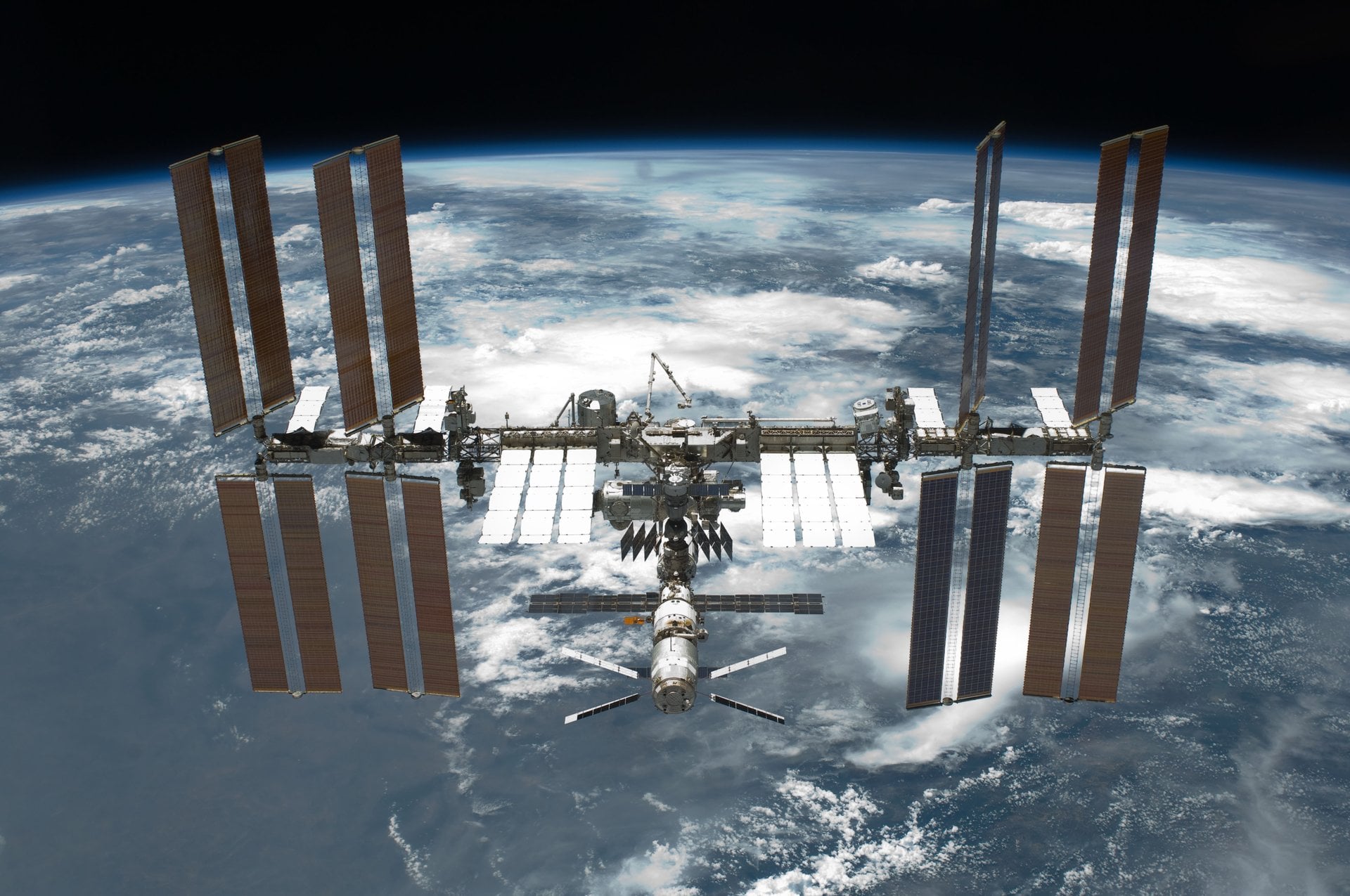
Global Space Agencies and Commercial Sector Plan New Space Stations
The Gist
Multiple space agencies and commercial entities are planning new space stations as the ISS nears retirement.
Explain Like I'm Five
"Imagine the ISS is like an old house. It's getting old, so countries and companies are planning to build new houses in space for astronauts to live and work in!"
Deep Intelligence Analysis
These new space stations are envisioned as critical infrastructure for supporting future deep-space missions, including lunar and Martian expeditions. They will serve as staging points for spacecraft assembly, refueling, and crew preparation. Furthermore, space stations offer unique environments for conducting scientific research, developing advanced technologies, and potentially enabling in-space manufacturing and resource utilization.
However, the proliferation of space stations also presents challenges. Increased activity in Low Earth Orbit (LEO) could lead to congestion and a higher risk of collisions. Effective space traffic management systems and international cooperation will be essential to ensure the safe and sustainable use of orbital resources. Additionally, the economic viability of commercial space stations remains uncertain, and these ventures will require significant investment and innovative business models to succeed.
*Transparency Disclosure: This analysis was composed by an AI model. While efforts have been made to ensure accuracy, the information should be verified with trusted sources. The AI is trained on a diverse range of data, but its understanding of complex aerospace concepts is constantly evolving. This analysis is for informational purposes only and does not constitute professional advice.*
_Context: This intelligence report was compiled by the DailyOrbitalWire Strategy Engine. Verified for Art. 50 Compliance._
Impact Assessment
The development of new space stations signifies a shift towards sustained human presence in space and serves as a crucial stepping stone for future lunar and Martian missions. Increased activity in LEO could lead to congestion and necessitate advanced traffic management solutions.
Read Full Story on Universe TodayKey Details
- ● The ISS will be retired by 2030.
- ● China plans to double the size of its Tiangong station.
- ● Roscosmos intends to recycle ISS modules for a new station.
- ● The Soviet Salyut program ran from 1971 to 1986.
Optimistic Outlook
The proliferation of space stations could foster international collaboration and accelerate technological advancements in areas such as closed-loop life support systems and in-space manufacturing. Commercial space stations could also open up new opportunities for research, tourism, and resource utilization.
Pessimistic Outlook
The increasing number of space stations raises concerns about orbital debris and the potential for collisions. Funding constraints and technical challenges could also delay or derail some of the planned projects.

The Signal, Not
the Noise|
Get the week's top 1% of space-tech intelligence synthesized into a 5-minute read. Join 25,000+ aerospace insiders.
Unsubscribe anytime. No spam, ever.