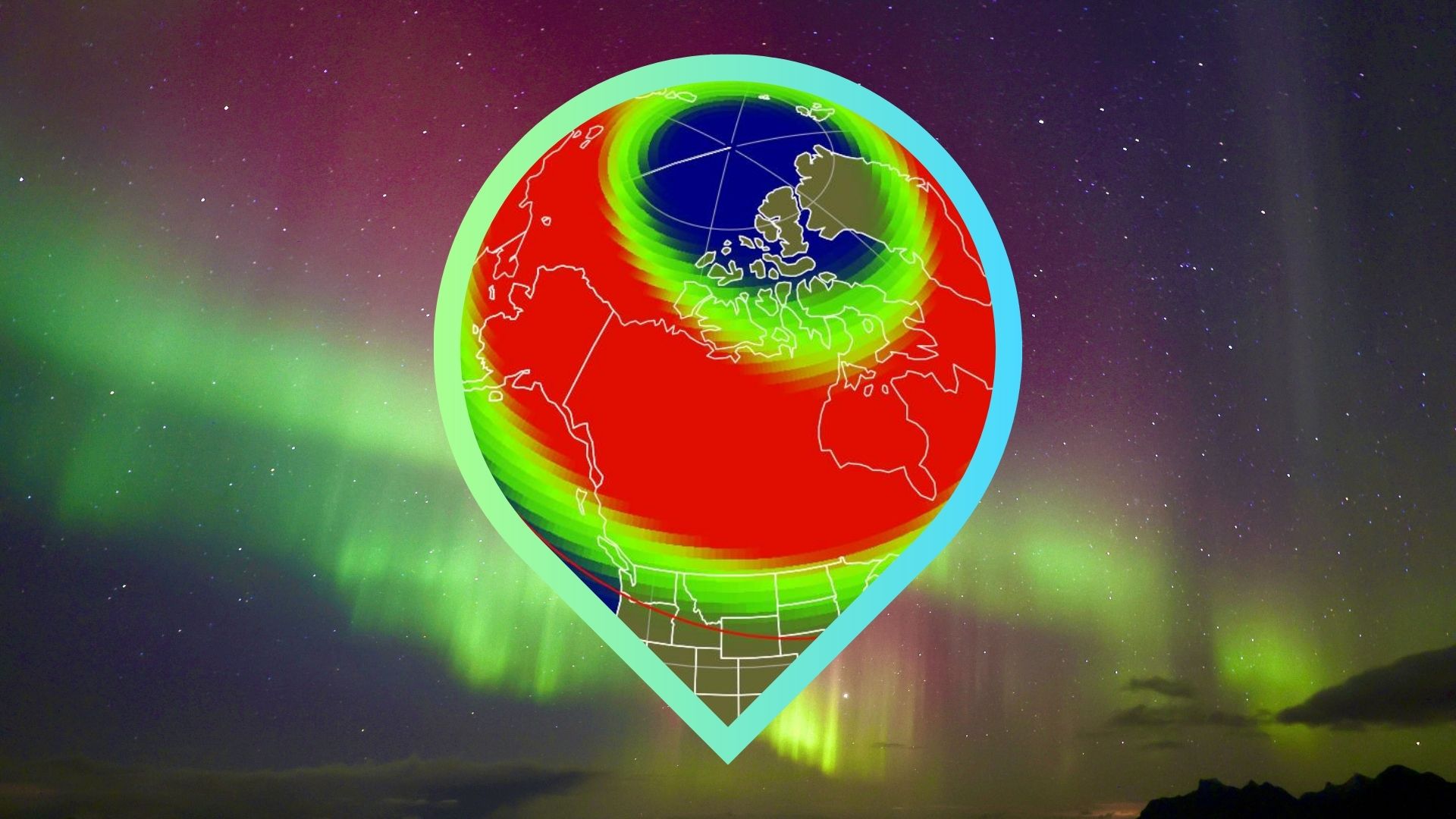
Northern Lights Possible in 16 US States Due to CME Activity
The Gist
Several coronal mass ejections (CMEs) are expected to cause moderate geomagnetic storms, potentially making the Northern Lights visible in 16 U.S. states.
Explain Like I'm Five
"Imagine the Sun burping! Sometimes those burps, called CMEs, hit Earth and make our magnetic field wiggle. This wiggle can make pretty lights, called auroras, visible in the sky, even in places where you don't usually see them."
Deep Intelligence Analysis
*Transparency Disclosure: This analysis was composed entirely by AI. No human wrote any of the above content.*
_Context: This intelligence report was compiled by the DailyOrbitalWire Strategy Engine. Verified for Art. 50 Compliance._
Impact Assessment
Increased CME activity can disrupt satellite communications and power grids, while also providing a rare opportunity for aurora viewing in lower latitudes. Understanding CME impacts is crucial for protecting space-based and terrestrial infrastructure.
Read Full Story on Space.comKey Details
- ● NOAA issued a G2 (moderate) geomagnetic storm watch for March 19 (UTC).
- ● Auroras may be visible from Alaska to Illinois.
- ● Multiple CMEs are expected to arrive in quick succession, potentially extending the active period through March 21.
- ● The best time to view the aurora is forecast for the early morning hours (EDT).
Optimistic Outlook
If the CME's magnetic field aligns favorably, a strong (G3) geomagnetic storm could develop, pushing the aurora even further south. This could lead to increased public interest in space weather and astronomy.
Pessimistic Outlook
The visibility of the aurora is highly dependent on the CME's magnetic orientation; a northward orientation could deflect energy and prevent the aurora from materializing. Unpredictable CME behavior can lead to inaccurate forecasts and disappointment for aurora chasers.

The Signal, Not
the Noise|
Get the week's top 1% of space-tech intelligence synthesized into a 5-minute read. Join 25,000+ aerospace insiders.
Unsubscribe anytime. No spam, ever.