BREAKING: Awaiting the latest intelligence wire...
Back to Wire
Space Pneumonia Study Aims to Improve Heart Health
Habitats & ISRU

Space Pneumonia Study Aims to Improve Heart Health

Source: NASA Space Station Original Author: Christine E Giraldo; Christian M Getteau Intelligence Analysis by Gemini

The Gist

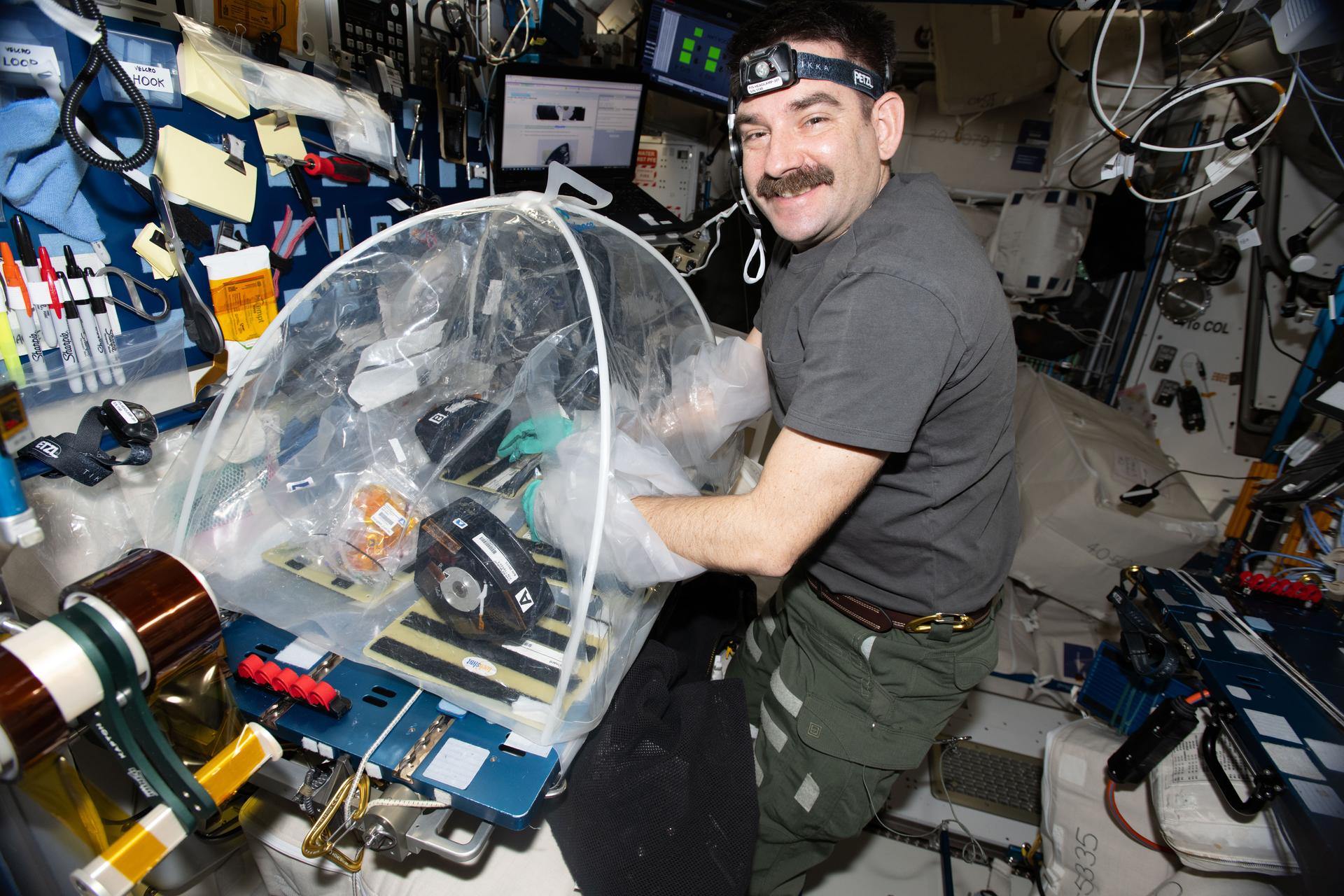
ISS Expedition 74 studies pneumonia bacteria in space to understand and manage cardiovascular health and infectious diseases.

Explain Like I'm Five

"Scientists are studying how sickness bugs hurt hearts in space. This helps us keep astronauts healthy and find new ways to treat sick people on Earth!"

Deep Intelligence Analysis

The study of Streptococcus pneumoniae and its impact on heart tissues aboard the International Space Station (ISS) represents a novel approach to understanding the link between infectious diseases and cardiovascular health. The unique space environment, which enhances bacterial virulence and drug resistance, provides a valuable platform for exaggerating cellular responses and identifying subtle factors that promote bacterial infection. The finding that over a quarter of adults hospitalized for community-acquired pneumonia (CAP) develop heart disease underscores the clinical relevance of this research. By pinpointing the mechanisms by which S. pneumoniae damages heart tissues in space, researchers hope to identify new targets for therapeutic intervention. This research is particularly important for ensuring astronaut health during long-duration space missions, where the risk of infection is elevated. The insights gained from this study could also have broader implications for terrestrial medicine, leading to the development of new strategies for preventing and treating cardiovascular complications associated with bacterial infections. The use of stem cell-derived heart tissues in this research provides a physiologically relevant model for studying the effects of S. pneumoniae on the heart. The ability to observe cellular responses in real-time and under controlled conditions allows for a detailed analysis of the molecular mechanisms involved in the pathogenesis of pneumonia-induced heart damage. This research highlights the potential of space-based experiments to advance our understanding of human health and disease.

_Context: This intelligence report was compiled by the DailyOrbitalWire Strategy Engine. Verified for Art. 50 Compliance._

Impact Assessment

Understanding how pneumonia affects the heart in space has implications for long-duration space travel and terrestrial medicine. The research could reveal new targets for treatment of cardiovascular complications related to bacterial infections.

Read Full Story on NASA Space Station

Key Details

  • Researchers are studying how stem cell-derived heart tissues respond to Streptococcus pneumoniae in space.
  • Space exacerbates bacterial virulence and drug resistance, aiding in identifying subtle cellular responses.
  • Over 25% of adults hospitalized for community-acquired pneumonia develop heart disease.

Optimistic Outlook

The study may lead to new methods for managing cardiovascular health and infectious diseases, benefiting both astronauts and people on Earth. Insights gained could improve strategies for long-duration space missions.

Pessimistic Outlook

The increased virulence of bacteria in space poses challenges for astronaut health. Further research is needed to mitigate the risks of infection during long-duration missions.

DailyOrbitalWire Logo

The Signal, Not
the Noise|

Get the week's top 1% of space-tech intelligence synthesized into a 5-minute read. Join 25,000+ aerospace insiders.

Unsubscribe anytime. No spam, ever.

```