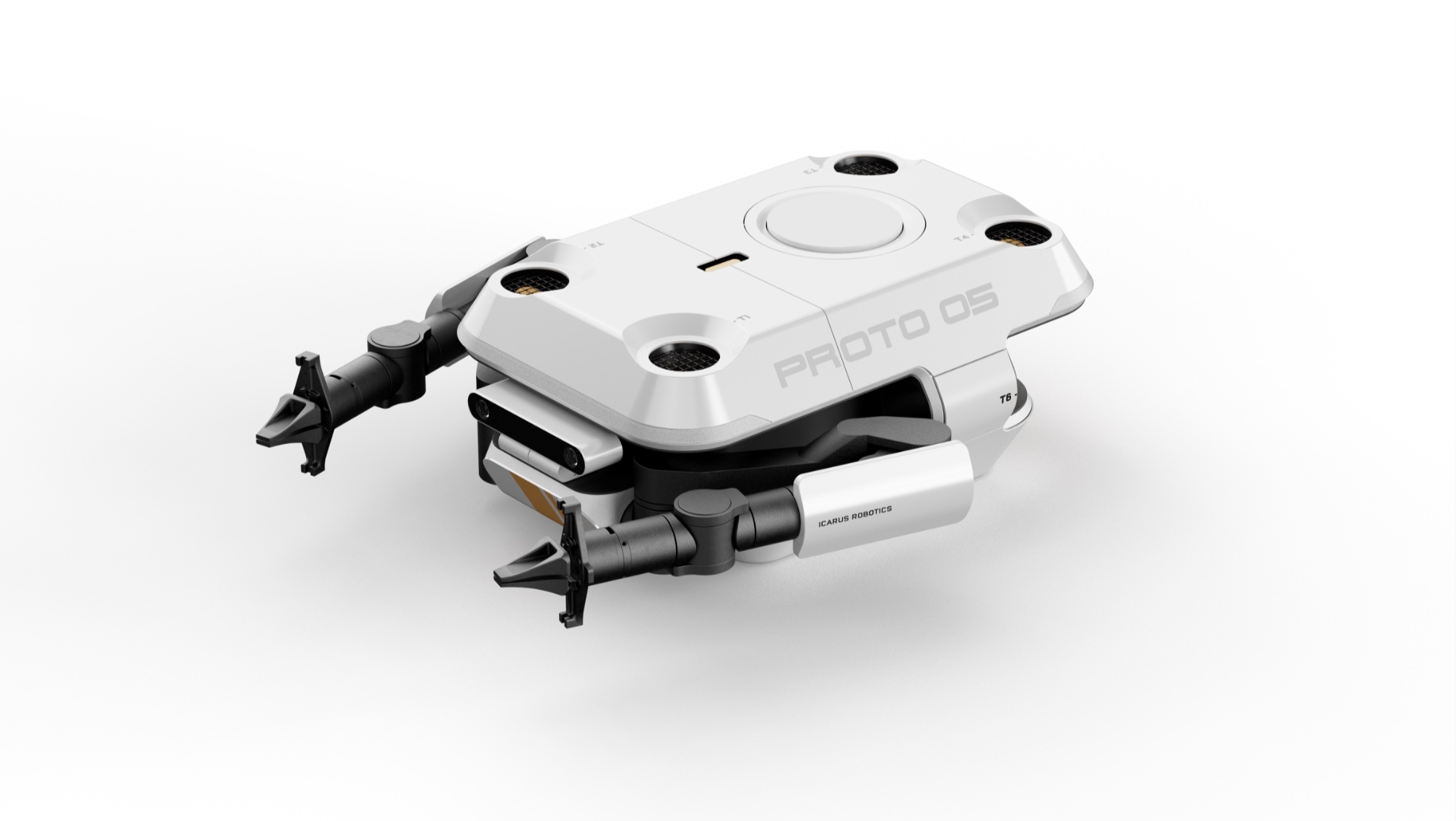
Voyager and Icarus Partner for ISS Robotics Demo in 2027
The Gist
Voyager Technologies and Icarus Robotics will test a free-flying robot, Joy, on the ISS in 2027.
Explain Like I'm Five
"Imagine a robot helper in space! Voyager and Icarus are building a robot named Joy that can fly around the space station and help astronauts with their work, like moving boxes and fixing things. This will make it easier for astronauts to explore space!"
Deep Intelligence Analysis
Voyager's involvement highlights the strategic importance of robotics for future commercial space stations like Starlab. By partnering with Icarus, Voyager gains access to cutting-edge robotic technology that can enhance the functionality and efficiency of its station. This collaboration also allows Icarus to tailor its platform to the requirements of future space habitats, increasing its market potential.
Despite NASA's reservations about the maturity of the LEO market, Icarus is positioning itself for long-term growth by focusing on robotic solutions for a range of applications, including in-space servicing, assembly, and manufacturing (ISAM), as well as lunar and Martian missions. The successful integration of robotics into space operations could significantly reduce costs, improve safety, and accelerate the development of off-world infrastructure.
_Context: This intelligence report was compiled by the DailyOrbitalWire Strategy Engine. Verified for Art. 50 Compliance._
Impact Assessment
This partnership aims to develop robotic platforms for cargo, logistics, and maintenance on future space stations, reducing astronaut workload.
Read Full Story on Payload SpaceKey Details
- ● Icarus' Joy robot uses fans to fly in pressurized spacecraft.
- ● The robot is equipped with two manipulator arms.
- ● The ISS demo is scheduled for 2027.
Optimistic Outlook
Successful demonstration could lead to wider adoption of robotics in space, improving efficiency and safety. It also fosters collaboration between commercial space companies.
Pessimistic Outlook
The future of commercial space stations is uncertain, and NASA's administrator has expressed concerns about a mature market in LEO. Technical challenges could also delay or hinder the project.

The Signal, Not
the Noise|
Get the week's top 1% of space-tech intelligence synthesized into a 5-minute read. Join 25,000+ aerospace insiders.
Unsubscribe anytime. No spam, ever.