BREAKING: Awaiting the latest intelligence wire...
Back to Wire
Voyager Invests in Max Space for Expandable Lunar Habitats
Habitats & ISRU

Voyager Invests in Max Space for Expandable Lunar Habitats

Source: Space.com Original Author: Josh Dinner Intelligence Analysis by Gemini

The Gist

Voyager Technologies invests in Max Space to advance expandable habitat technology for lunar missions.

Explain Like I'm Five

"Imagine a balloon house that fits inside a rocket! It can make living on the Moon much easier."

Deep Intelligence Analysis

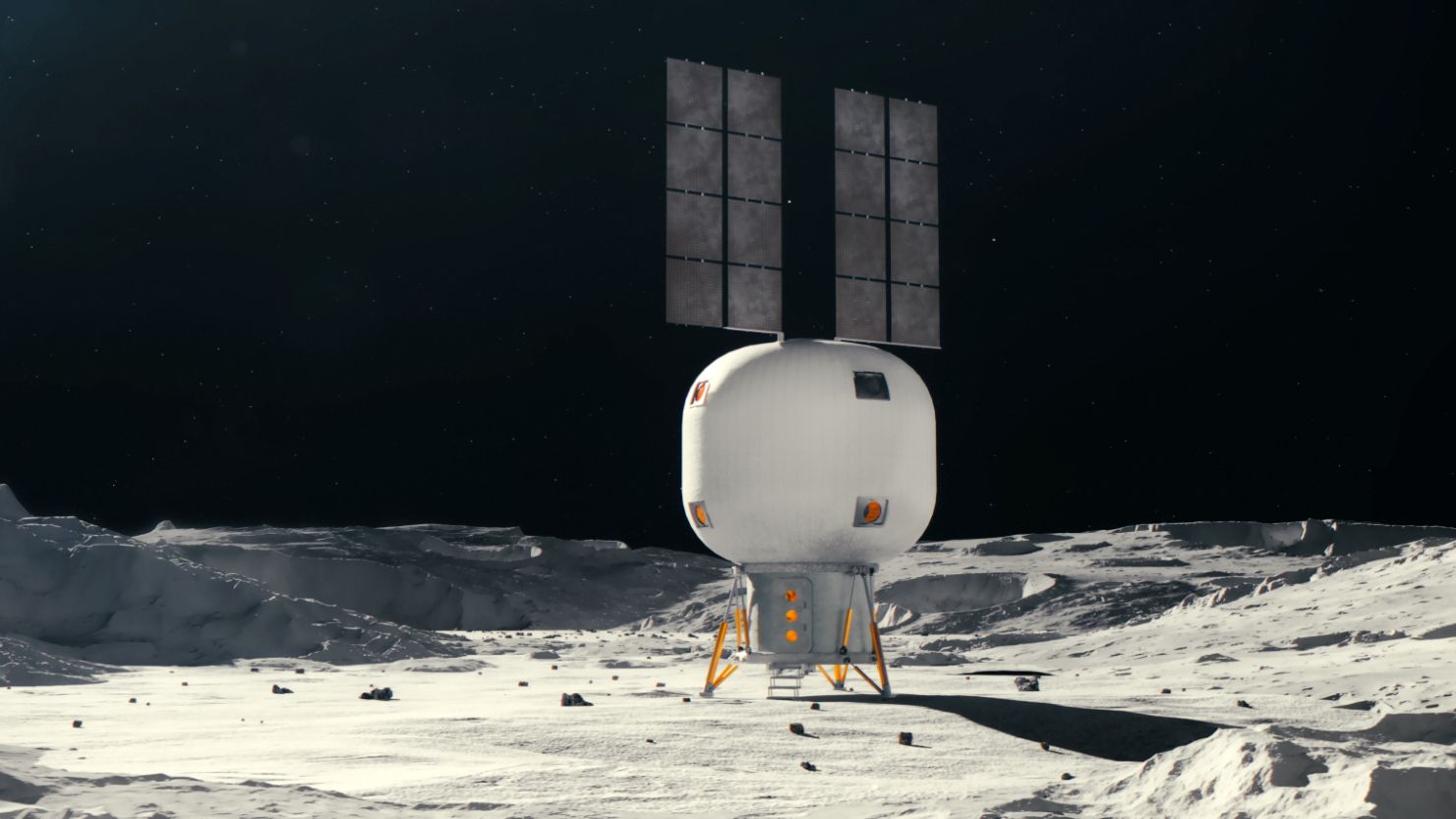
Voyager Technologies' investment in Max Space signifies a growing interest in expandable habitat technology for lunar missions. Max Space's approach focuses on creating modules that can be compactly launched and then expanded on the lunar surface, offering a balance between launch efficiency and habitable volume. This aligns with NASA's Artemis program goals of establishing a sustainable human presence on the Moon. The partnership aims to scale up production and integrate Voyager's technology systems, accelerating the transition from demonstration missions to operational lunar capabilities. While expandable habitats have been tested before, such as with the BEAM module on the ISS, Max Space aims to create larger, more robust modules for long-term lunar stays. The success of this venture depends on overcoming challenges related to radiation shielding, structural integrity, and long-term reliability in the harsh lunar environment. The companies hope their partnership is in direct response to a recent NASA announcement outlining a new roadmap for its Artemis program and the agency's efforts to land astronauts on the moon in 2028. The Artemis program aims to establish a permanent human presence on the moon and will need a variety of surface modules to sustain crews.

_Context: This intelligence report was compiled by the DailyOrbitalWire Strategy Engine. Verified for Art. 50 Compliance._

Impact Assessment

Expandable habitats offer a cost-effective solution for increasing living space on the Moon. This partnership accelerates the development of infrastructure needed for long-term lunar missions.

Read Full Story on Space.com

Key Details

  • Voyager Technologies is investing in Max Space to develop expandable modules.
  • Max Space's habitats are designed to fit inside Falcon 9 fairings.
  • The Artemis program aims to establish a permanent human presence on the moon by 2028.

Optimistic Outlook

Successful deployment of expandable habitats could significantly reduce launch costs. This could enable more ambitious lunar exploration and development projects.

Pessimistic Outlook

Expandable habitats face challenges related to radiation shielding and structural integrity. Delays in technology development could impact the Artemis program timeline.

DailyOrbitalWire Logo

The Signal, Not
the Noise|

Get the week's top 1% of space-tech intelligence synthesized into a 5-minute read. Join 25,000+ aerospace insiders.

Unsubscribe anytime. No spam, ever.

```