BREAKING: • NICE Experiment Aims to Advance Exoplanet Observation Technology • proto-Lightspeed: High-Speed Imager Commissioned at Magellan Clay Telescope • Starlink Direct-to-Cell Satellites Exhibit Unintended Radio Emissions • WaveDriver AO System Targets Habitable Worlds Observatory Stability • PUNCH Mission's Wide Field Imagers Ready to Unify Corona and Heliosphere
NICE Experiment Aims to Advance Exoplanet Observation Technology
Satellites May 19
arXiv Instrumentation // 2026-05-19

NICE Experiment Aims to Advance Exoplanet Observation Technology

THE GIST: The Nulling Interferometry Cryogenic Experiment (NICE) seeks to improve technology readiness for the LIFE exoplanet mission.

IMPACT: The LIFE mission depends on measuring faint mid-infrared emission spectra of exoplanets, requiring advanced instrumentation. NICE aims to validate the LIFE beam combiner and increase its technological readiness.
Optimistic
Pessimistic
ELI5
Deep Dive // Full Analysis
proto-Lightspeed: High-Speed Imager Commissioned at Magellan Clay Telescope
Satellites May 19
arXiv Instrumentation // 2026-05-19

proto-Lightspeed: High-Speed Imager Commissioned at Magellan Clay Telescope

THE GIST: proto-Lightspeed delivers high-speed optical imaging with sub-electron read noise at the Magellan Clay Telescope.

IMPACT: This new instrument enables the study of rapidly variable astronomical sources, such as compact binaries, exoplanet transits, and pulsars. Its high speed and low noise capabilities open new avenues for time-domain astronomy.
Optimistic
Pessimistic
ELI5
Deep Dive // Full Analysis
Starlink Direct-to-Cell Satellites Exhibit Unintended Radio Emissions
Satellites May 19
arXiv Instrumentation // 2026-05-19

Starlink Direct-to-Cell Satellites Exhibit Unintended Radio Emissions

THE GIST: Starlink's Direct-to-Cell satellites emit unintended electromagnetic radiation at 72-234 MHz, with emissions stronger in eclipse than sunlight.

IMPACT: Unintended emissions from satellites can interfere with radio astronomy and other sensitive applications. The reversed solar illumination dependence suggests an active on-board source.
Optimistic
Pessimistic
ELI5
Deep Dive // Full Analysis
WaveDriver AO System Targets Habitable Worlds Observatory Stability
Satellites May 19
arXiv Instrumentation // 2026-05-19

WaveDriver AO System Targets Habitable Worlds Observatory Stability

THE GIST: WaveDriver aims to enhance Habitable Worlds Observatory with laser guide star adaptive optics for picometer-level wavefront stability.

IMPACT: Achieving picometer-level stability is crucial for HWO to effectively observe habitable exoplanets. WaveDriver's advancements in adaptive optics could significantly improve the observatory's performance and reduce subsystem requirements.
Optimistic
Pessimistic
ELI5
Deep Dive // Full Analysis
PUNCH Mission's Wide Field Imagers Ready to Unify Corona and Heliosphere
Satellites May 19
arXiv Instrumentation // 2026-05-19

PUNCH Mission's Wide Field Imagers Ready to Unify Corona and Heliosphere

THE GIST: The Wide-Field Imager (WFI) instruments for the PUNCH mission are ready to image the outer corona and solar wind.

IMPACT: The PUNCH mission's WFIs will provide unprecedented views of the solar corona and heliosphere. This will improve our understanding of the Sun's influence on the solar system.
Optimistic
Pessimistic
ELI5
Deep Dive // Full Analysis
NectarCAM Ready for Cherenkov Telescope Array Deployment
Satellites May 19
arXiv Instrumentation // 2026-05-19

NectarCAM Ready for Cherenkov Telescope Array Deployment

THE GIST: The first production-line NectarCAM, designed for gamma-ray detection, is set for deployment in Summer 2026.

IMPACT: NectarCAM's deployment will enhance the Cherenkov Telescope Array's ability to study high-energy gamma rays. This will provide valuable insights into astrophysical phenomena and the nature of the universe.
Optimistic
Pessimistic
ELI5
Deep Dive // Full Analysis
Satellite Constellations Increasingly Disrupt Astronomical Observations
Satellites May 19
arXiv Instrumentation // 2026-05-19

Satellite Constellations Increasingly Disrupt Astronomical Observations

THE GIST: LEO mega-constellations are significantly increasing satellite trail interference in ground-based astronomical observations.

IMPACT: The proliferation of LEO satellite constellations poses a growing threat to ground-based astronomy. Increased interference from satellite trails can compromise data quality and hinder scientific discoveries.
Optimistic
Pessimistic
ELI5
Deep Dive // Full Analysis
Lunar Commercialization Faces Indigenous Rights Concerns
Defense & Policy May 19
arXiv Instrumentation // 2026-05-19

Lunar Commercialization Faces Indigenous Rights Concerns

THE GIST: Commercial lunar activities may conflict with Indigenous cultural and spiritual beliefs, requiring new governance approaches.
IMPACT: As lunar commercialization accelerates, respecting Indigenous rights and perspectives becomes crucial. Current international law may be insufficient to address these concerns, potentially leading to conflicts and ethical challenges.
Optimistic
Pessimistic
ELI5
Deep Dive // Full Analysis
New Method Discovers 27 Potential Circumbinary Planets
Satellites May 19
Universe Today // 2026-05-19

New Method Discovers 27 Potential Circumbinary Planets

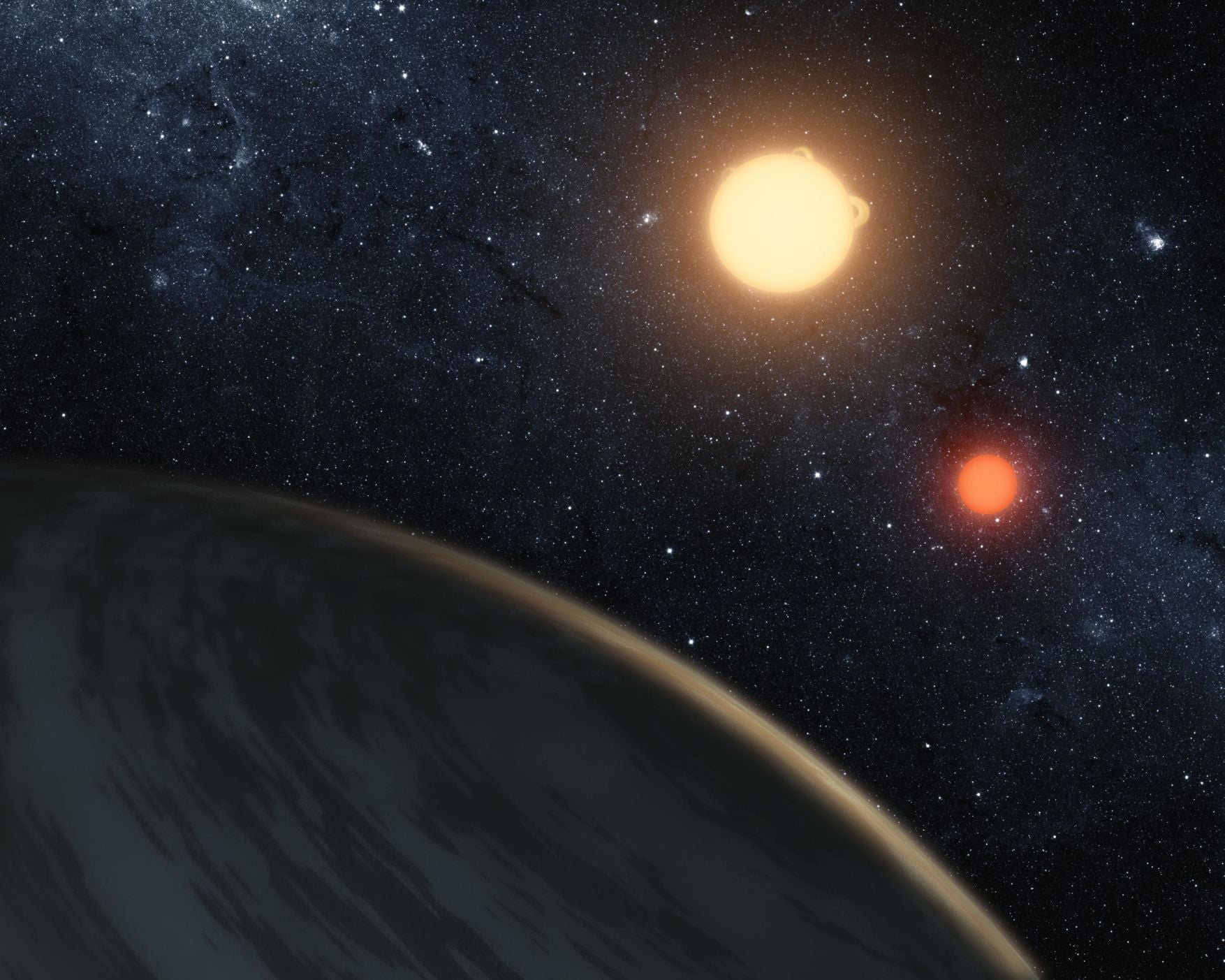
THE GIST: A new method, apsidal precession, has led to the discovery of 27 potential circumbinary planets using data from NASA's TESS.
IMPACT: The apsidal precession method allows astronomers to detect planets that the transit method might miss, particularly those with irregular orbits. This could significantly increase the number of known exoplanets and provide a more accurate understanding of planetary populations in the universe.
Optimistic
Pessimistic
ELI5
Deep Dive // Full Analysis
Pioneer Plaques: Humanity's First Interstellar Message
Satellites May 18
Universe Today // 2026-05-18

Pioneer Plaques: Humanity's First Interstellar Message

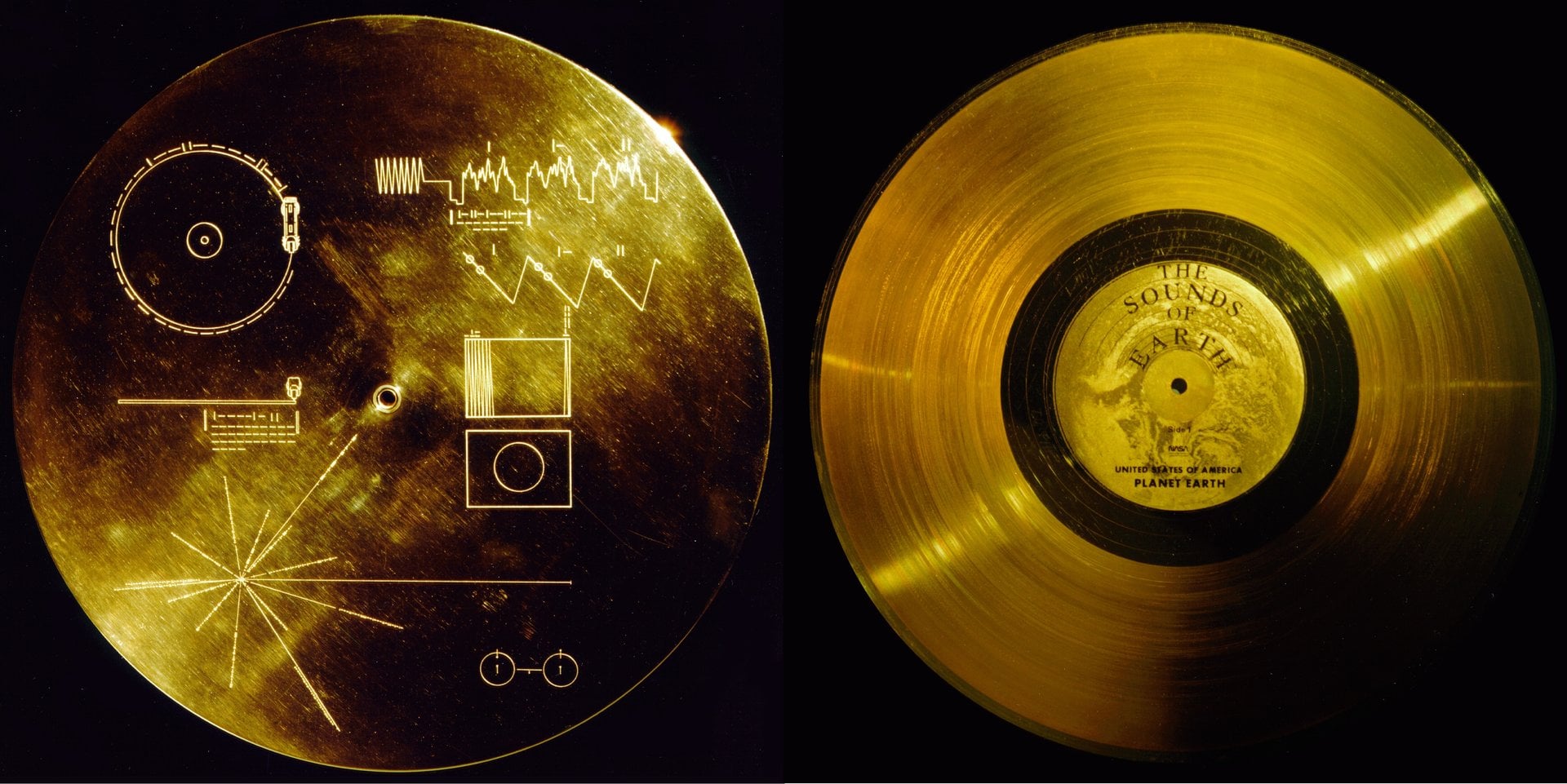
THE GIST: Pioneer 10 and 11 carried plaques with pictorial messages intended for extraterrestrial civilizations.

IMPACT: The Pioneer plaques represent humanity's first attempt to communicate with potential extraterrestrial life. They highlight the challenges and considerations involved in interstellar communication, such as choosing a universal language and depicting human culture.
Optimistic
Pessimistic
ELI5
Deep Dive // Full Analysis
NASA Photographers Honored for Space Imagery at 2025 Awards
Satellites May 18
NASA Breaking News // 2026-05-18

NASA Photographers Honored for Space Imagery at 2025 Awards

THE GIST: NASA photographers David DeHoyos, Josh Valcarcel, and Bill Stafford received awards for their contributions to visual storytelling of space exploration.
IMPACT: These photographers play a crucial role in documenting and communicating the human element of space exploration. Their images help to inspire public interest and support for NASA's missions.
Optimistic
Pessimistic
ELI5
Deep Dive // Full Analysis
Stardust Discovery: Antarctic Ice Reveals Secrets of Solar System's Interstellar Journey
Satellites May 18
Space.com // 2026-05-18

Stardust Discovery: Antarctic Ice Reveals Secrets of Solar System's Interstellar Journey

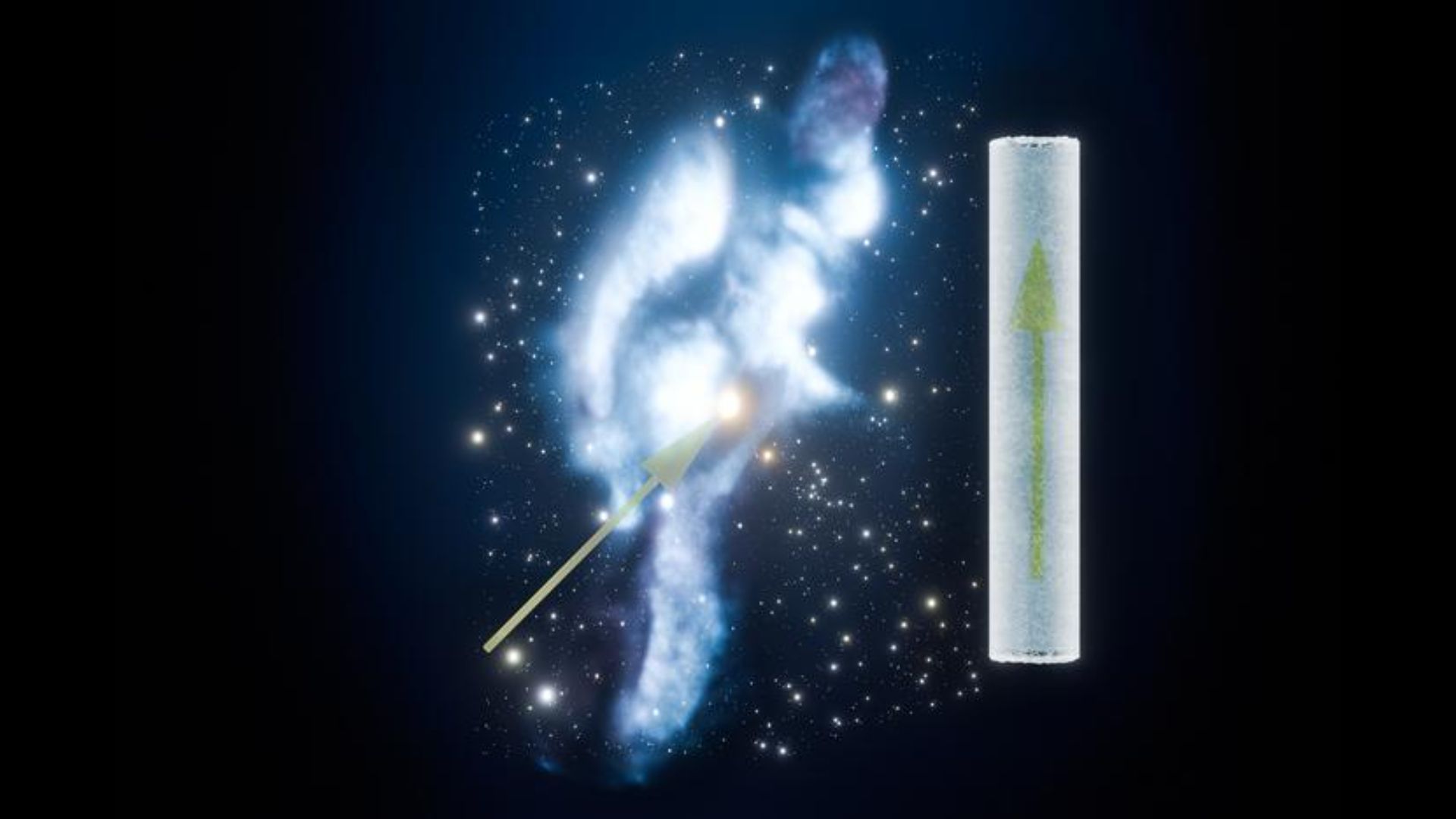
THE GIST: Scientists found stardust, specifically iron-60 from supernovas, trapped in Antarctic ice, revealing insights into the solar system's history.

IMPACT: The discovery of supernova-produced iron-60 in Antarctic ice provides evidence of the solar system's interaction with the Local Interstellar Cloud. This helps understand the origin and composition of interstellar matter and its potential impact on Earth.
Optimistic
Pessimistic
ELI5
Deep Dive // Full Analysis
Previous
Page 13 of 134
Next
```