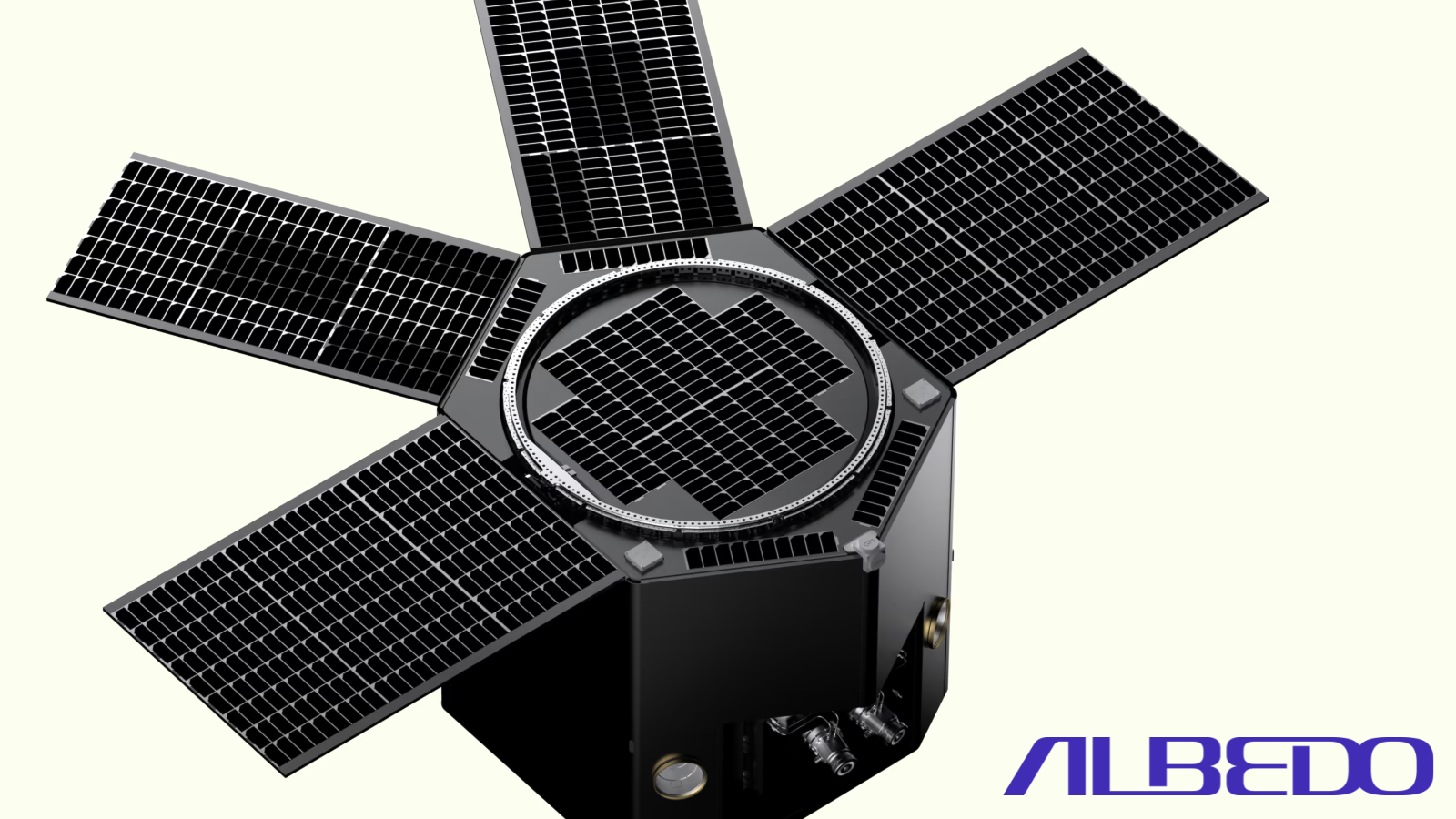
Albedo's Vicinity Satellite Bus Targets High-Power VLEO Applications
The Gist
Albedo's Vicinity satellite bus aims to capitalize on the benefits of Very Low Earth Orbit (VLEO) for high-power applications.
Explain Like I'm Five
"Imagine Earth has a really close parking spot for satellites. Albedo is building a special bus that can live there for a long time, using lots of power to do cool things like take super clear pictures and talk to people on the ground."
Deep Intelligence Analysis
The shift away from commercial imagery suggests a recognition of the competitive landscape in that sector, and a strategic move towards a higher-value, enabling technology. The potential for VLEO to offer significant advantages in terms of power requirements and radiation shielding could drive increased demand for platforms like Vicinity, particularly for applications requiring high data throughput or enhanced security. However, the increased atmospheric drag and the need for sophisticated propulsion systems will require careful engineering and operational planning.
Albedo's vision of VLEO becoming as proliferated as LEO is ambitious, but hinges on addressing the technical and economic challenges associated with operating in this environment. The company's flexibility in offering both a bus platform and a full space vehicle solution could broaden its market reach and accelerate the adoption of VLEO technology. Ultimately, the success of Vicinity will depend on its ability to deliver tangible benefits to customers and demonstrate the long-term viability of VLEO operations. The company's focus on optionality, allowing customers to optimize for dynamism or power efficiency, reflects a customer-centric approach that could prove crucial in driving market adoption.
*Transparency: This analysis was conducted by an AI, based solely on the provided source content. No external data was used. DailyOrbitalWire.news strives for accuracy and objectivity in its reporting.*
_Context: This intelligence report was compiled by the DailyOrbitalWire Strategy Engine. Verified for Art. 50 Compliance._
Impact Assessment
Albedo's move into VLEO satellite bus manufacturing highlights the growing interest in leveraging the advantages of lower orbits. VLEO offers benefits like reduced power requirements for payloads and increased radiation protection, potentially opening new opportunities for defense and commercial applications.
Read Full Story on Payload SpaceKey Details
- ● Vicinity targets 3 kW peak power and 400 W orbital average power.
- ● It can host up to one ton of payload capacity.
- ● Designed for a five-year lifespan at 320 km altitude.
- ● Albedo dropped its commercial imagery business in October to focus on satellite bus manufacturing.
Optimistic Outlook
Vicinity's high-power capabilities and VLEO operation could enable more dynamic and efficient space-based services. If Albedo successfully demonstrates the platform's reliability and performance, it could become a key enabler for next-generation SAR, electronic warfare, and D2D communication systems.
Pessimistic Outlook
The VLEO environment presents unique challenges, including increased atmospheric drag and the need for robust propulsion systems. Albedo's self-funded approach for the first flight introduces financial risk, and market adoption will depend on proving the cost-effectiveness and reliability of VLEO operations.

The Signal, Not
the Noise|
Get the week's top 1% of space-tech intelligence synthesized into a 5-minute read. Join 25,000+ aerospace insiders.
Unsubscribe anytime. No spam, ever.