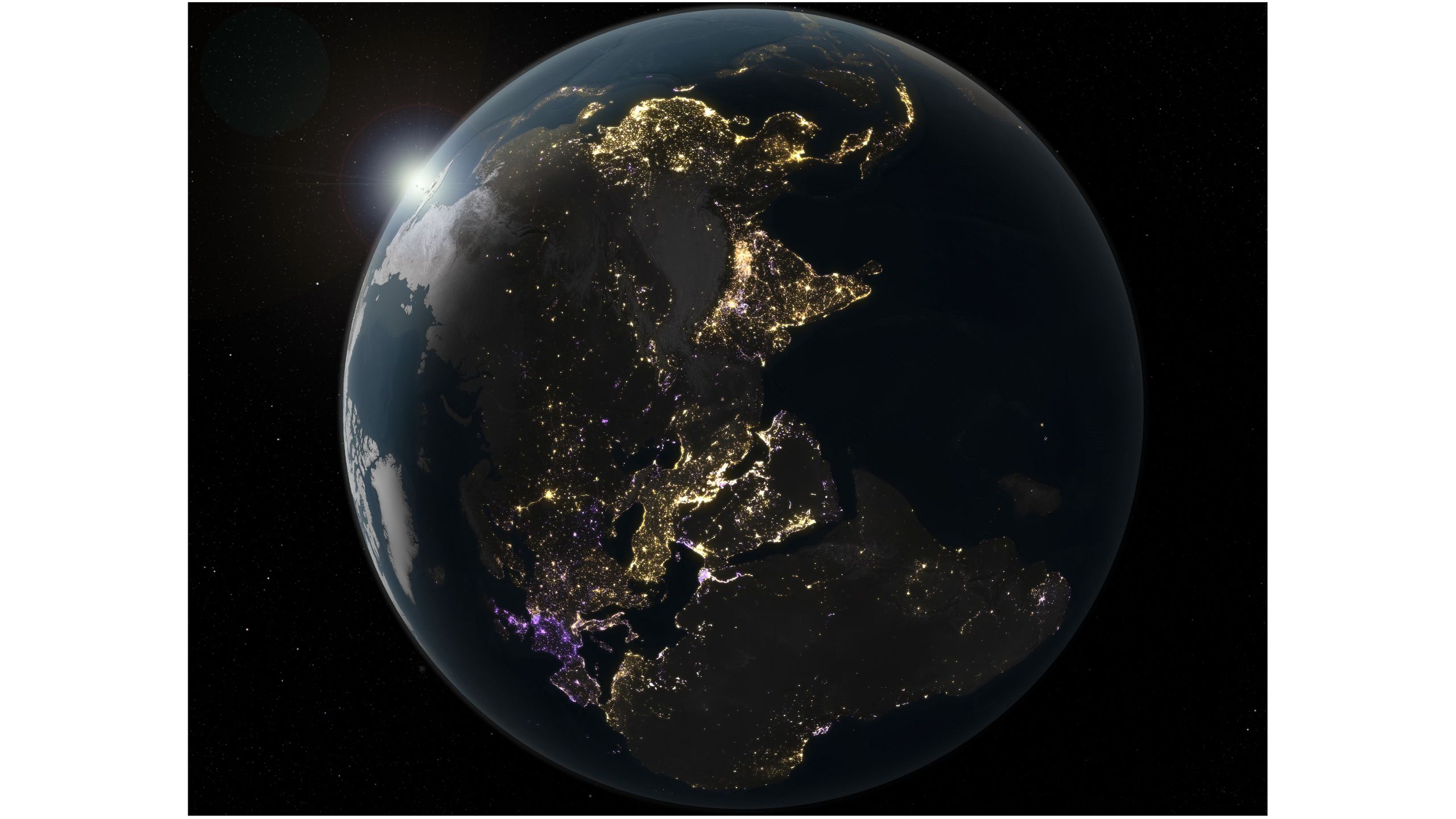
Earth's Nighttime Brightness Increased 16% Since 2014, Satellite Data Shows.
The Gist
Satellite data reveals a 16% increase in Earth's nighttime brightness since 2014, though some regions dimmed due to specific events and policies.
Explain Like I'm Five
"Imagine Earth is getting brighter at night like someone turning up the lights! Satellites see that we're using more lights, but some places are turning them down to save energy or because of problems like war."
Deep Intelligence Analysis
The study identifies a notable decrease in nighttime artificial light in Ukraine following the Russian invasion, and a substantial 33% dimming in France attributed to new policies. These findings underscore the impact of geopolitical events and policy interventions on light pollution levels. The ability to discern individual events and regional trends with temporal detail represents a significant advancement in monitoring artificial light use.
While the overall trend points towards increased brightness, the accelerating expansion of dimming areas offers a glimmer of hope. The implementation of effective energy-saving policies and mitigation strategies could potentially reverse the trend and alleviate the adverse effects of light pollution on ecosystems, human health, and astronomical observation. Further research and policy initiatives are crucial to address this growing environmental challenge.
*Transparency Disclosure: This analysis was conducted by an AI, providing an objective assessment of the provided news article. No external data sources were consulted, ensuring the integrity and reliability of the information presented.*
_Context: This intelligence report was compiled by the DailyOrbitalWire Strategy Engine. Verified for Art. 50 Compliance._
Impact Assessment
Increased light pollution impacts sleep quality, disrupts ecosystems, and obscures astronomical views. The study highlights the complex interplay between development, conflict, and environmental policies on a global scale.
Read Full Story on Space.comKey Details
- ● Earth's artificial light at night increased by 16% between 2014 and 2022.
- ● Dimming occurred in areas affected by war, natural disasters, and energy-saving policies.
- ● France experienced a 33% dimming due to new policies.
- ● The study used data from NASA's Black Marble tool and the VIIRS instrument.
Optimistic Outlook
Energy-saving policies demonstrate the potential to mitigate light pollution effectively. Further adoption of such policies could reverse the trend and reduce the negative impacts of artificial light at night.
Pessimistic Outlook
Continued brightening in developing countries and the US suggests that light pollution will remain a significant issue. Wars and disasters exacerbate the problem, causing unpredictable fluctuations in nighttime brightness.

The Signal, Not
the Noise|
Get the week's top 1% of space-tech intelligence synthesized into a 5-minute read. Join 25,000+ aerospace insiders.
Unsubscribe anytime. No spam, ever.