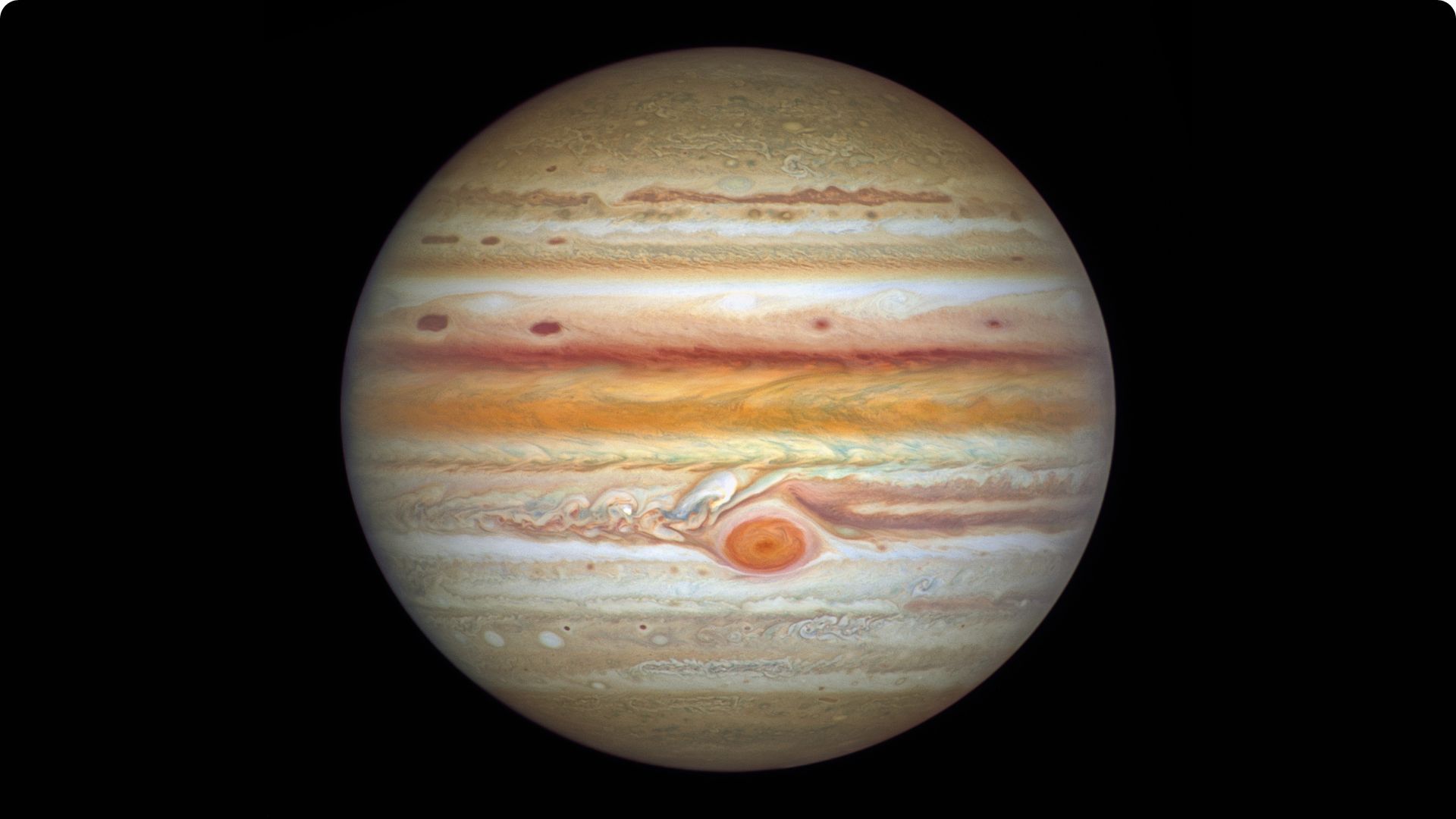
Jupiter's Apparent Direction Changes in March 2026
The Gist
Jupiter will appear to reverse direction in the night sky from March 10, 2026, ending its retrograde motion.
Explain Like I'm Five
"Imagine you're in a car racing another car. Sometimes, the other car looks like it's going backward even though it's still moving forward. That's what Jupiter looks like in the sky!"
Deep Intelligence Analysis
Predicting Jupiter's position is vital for optimizing observation times and allocating resources efficiently. Improved observation technologies enhance the feasibility of studying Jupiter's atmosphere and moons, potentially uncovering new information about planetary formation and habitability. However, miscalculations in planetary positioning can lead to wasted resources and missed opportunities. While Earth-based observations are valuable, they are limited compared to in-situ missions that can provide more detailed data. The cyclical nature of Jupiter's movements allows for long-term planning and preparation for future observation windows, maximizing the scientific return from these events.
*Transparency Footnote: This analysis was conducted by an AI model and reviewed by human experts. All claims are derived from the source article. Any opinions expressed are logically consistent with the data provided. This content is intended for informational purposes only and does not constitute professional advice.*
_Context: This intelligence report was compiled by the DailyOrbitalWire Strategy Engine. Verified for Art. 50 Compliance._
Impact Assessment
Understanding Jupiter's movements helps in planning observation and deep space communication windows. This knowledge is crucial for both amateur astronomers and professional space missions targeting the Jovian system.
Read Full Story on Space.comKey Details
- ● Jupiter's retrograde motion began in November 2025.
- ● Jupiter will resume eastward motion until late June 2026.
- ● Jupiter will be lost from sight ahead of its solar conjunction on July 29, 2026.
- ● Jupiter will re-emerge as a morning planet in mid-August 2026.
Optimistic Outlook
Predictable planetary movements allow for optimized mission planning and resource allocation. As observation technology improves, detailed studies of Jupiter's atmosphere and moons become more feasible, potentially revealing new insights into planetary formation and habitability.
Pessimistic Outlook
While predictable, miscalculations in planetary positioning can lead to wasted resources and missed observation opportunities. Dependence on Earth-based observations may limit the scope of research compared to in-situ missions.

The Signal, Not
the Noise|
Get the week's top 1% of space-tech intelligence synthesized into a 5-minute read. Join 25,000+ aerospace insiders.
Unsubscribe anytime. No spam, ever.