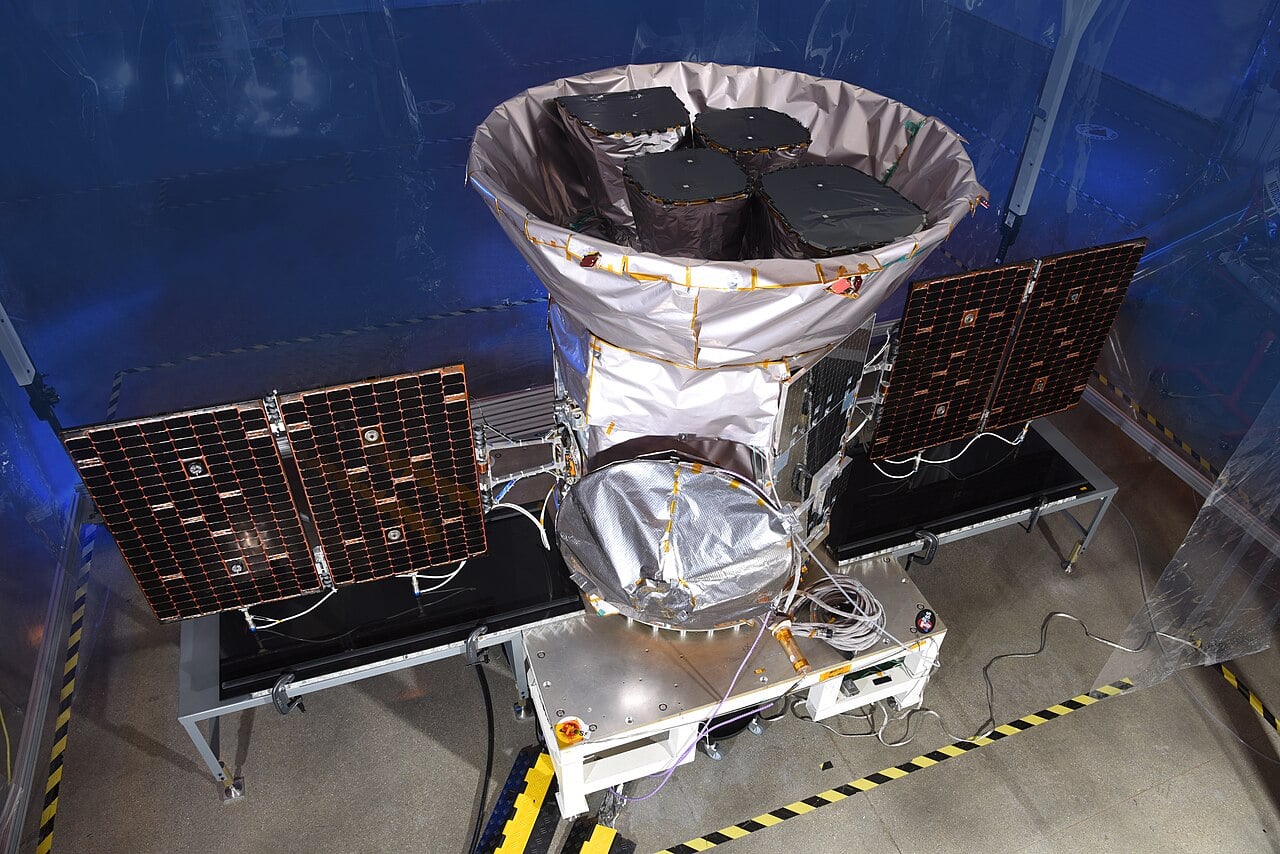
TESS Telescope Data Yields Over 11,000 New Planet Candidates.
The Gist
A Princeton-led team using NASA's TESS telescope has identified over 11,000 new planet candidates by analyzing 83 million stars.
Explain Like I'm Five
"Imagine TESS is like a giant camera looking at millions of stars! Scientists used a smart computer to find tiny dips in the starlight, which could mean there are planets orbiting those stars. They found over 11,000 possible new planets!"
Deep Intelligence Analysis
The use of machine learning in this project is particularly noteworthy, as it demonstrates the power of artificial intelligence to accelerate scientific discovery. By automating the process of identifying planet candidates, the T16 team was able to analyze a dataset that would have been impossible to process manually. This approach is likely to become increasingly prevalent in exoplanet research, as the volume of data generated by space-based telescopes continues to grow.
While the confirmation of these planet candidates will require further observations, the sheer number of discoveries suggests that the universe is teeming with planets. This finding has profound implications for our understanding of planetary formation and the potential for life beyond Earth. As we continue to explore the cosmos, we may one day find a planet that is truly like our own.
*Transparency Disclosure: This analysis was composed entirely by AI. No human wrote any of the sentences herein.*
_Context: This intelligence report was compiled by the DailyOrbitalWire Strategy Engine. Verified for Art. 50 Compliance._
Impact Assessment
This discovery demonstrates the power of systematic planet hunting and machine learning in exoplanet research. The sheer number of candidates opens up vast new avenues for studying planetary systems beyond our own.
Read Full Story on Universe TodayKey Details
- ● The T16 project processed light curves of 83,717,159 stars.
- ● 11,554 planet candidates were identified.
- ● The team confirmed a gas giant orbiting TIC 183374187 with a short orbital period.
- ● Machine learning was used to sort through the data.
Optimistic Outlook
The T16 project's success paves the way for even more efficient exoplanet searches, potentially leading to the discovery of Earth-like planets in habitable zones. Further analysis of these candidates could reveal insights into planetary formation and the prevalence of life in the universe.
Pessimistic Outlook
Confirming these planet candidates will require significant follow-up observations, and many may turn out to be false positives. The computational demands of processing such large datasets also present a challenge.

The Signal, Not
the Noise|
Get the week's top 1% of space-tech intelligence synthesized into a 5-minute read. Join 25,000+ aerospace insiders.
Unsubscribe anytime. No spam, ever.