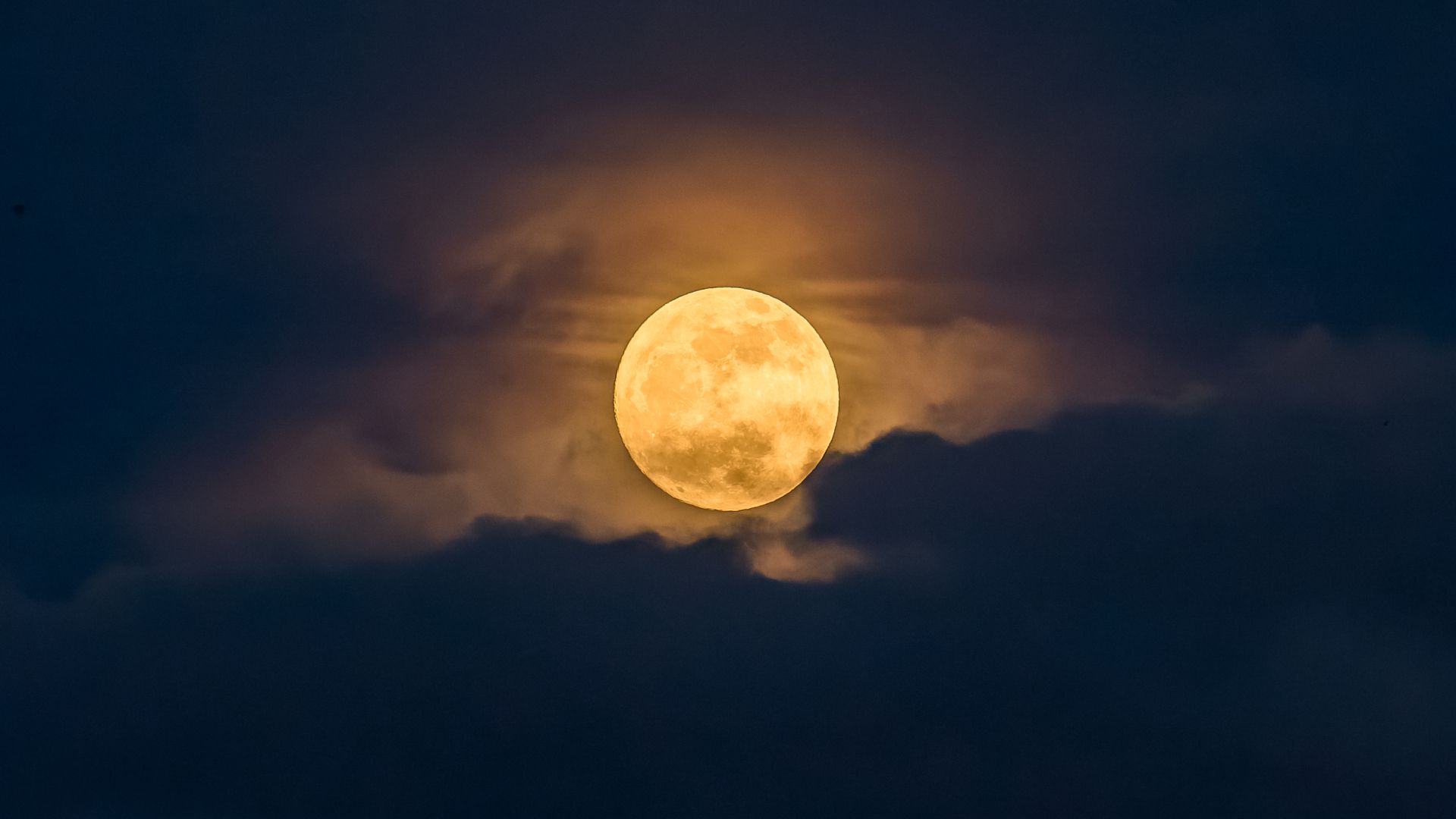
May 2026 Features Two Full Moons, Including a Flower Moon
The Gist
May 2026 will feature two full moons, the first being the 'Flower Moon' on May 1st.
Explain Like I'm Five
"Imagine the moon is like a big lightbulb in the sky. In May 2026, it will be super bright twice! The first time is called the Flower Moon because lots of flowers are blooming then, and the second time is special because it's rare to see two full moons in one month!"
Deep Intelligence Analysis
From a space-tech market perspective, such events, while seemingly unrelated, contribute to a broader public interest in space and science. This interest can indirectly influence support for space exploration initiatives, STEM education, and related industries. The article also touches upon the 'Moon Illusion' and Rayleigh scattering, providing educational content that can further stimulate curiosity about space-related phenomena.
However, the impact on multi-planetary logistics, hardware engineering viability, or in-situ resource utilization (ISRU) is minimal. The primary value lies in its potential to foster public engagement and awareness, which can have long-term benefits for the space sector. The article's focus on cultural traditions and festivals associated with the May full moon also underscores the intersection of astronomy with human culture and history.
_Context: This intelligence report was compiled by the DailyOrbitalWire Strategy Engine. Verified for Art. 50 Compliance._
Impact Assessment
Understanding celestial events like full moons can drive interest in astronomy and space exploration. The occurrence of two full moons in a single month is a relatively rare event, making it a notable occasion for skywatchers.
Read Full Story on Space.comKey Details
- ● The Flower Moon will occur at 1:23 p.m. EDT on May 1, 2026.
- ● A second full moon, a Blue Moon, will occur on May 31, 2026, at 4:45 a.m. EDT.
- ● Monthly Blue Moons occur roughly every 2.5-3 years.
Optimistic Outlook
Heightened public interest in astronomy could translate to increased support for space programs and scientific research. Accessible celestial events like the Flower Moon can inspire the next generation of scientists and engineers.
Pessimistic Outlook
Light pollution may hinder the visibility of the Flower Moon in urban areas. Public interest in astronomy is often fleeting and may not translate into sustained support for space initiatives.

The Signal, Not
the Noise|
Get the week's top 1% of space-tech intelligence synthesized into a 5-minute read. Join 25,000+ aerospace insiders.
Unsubscribe anytime. No spam, ever.