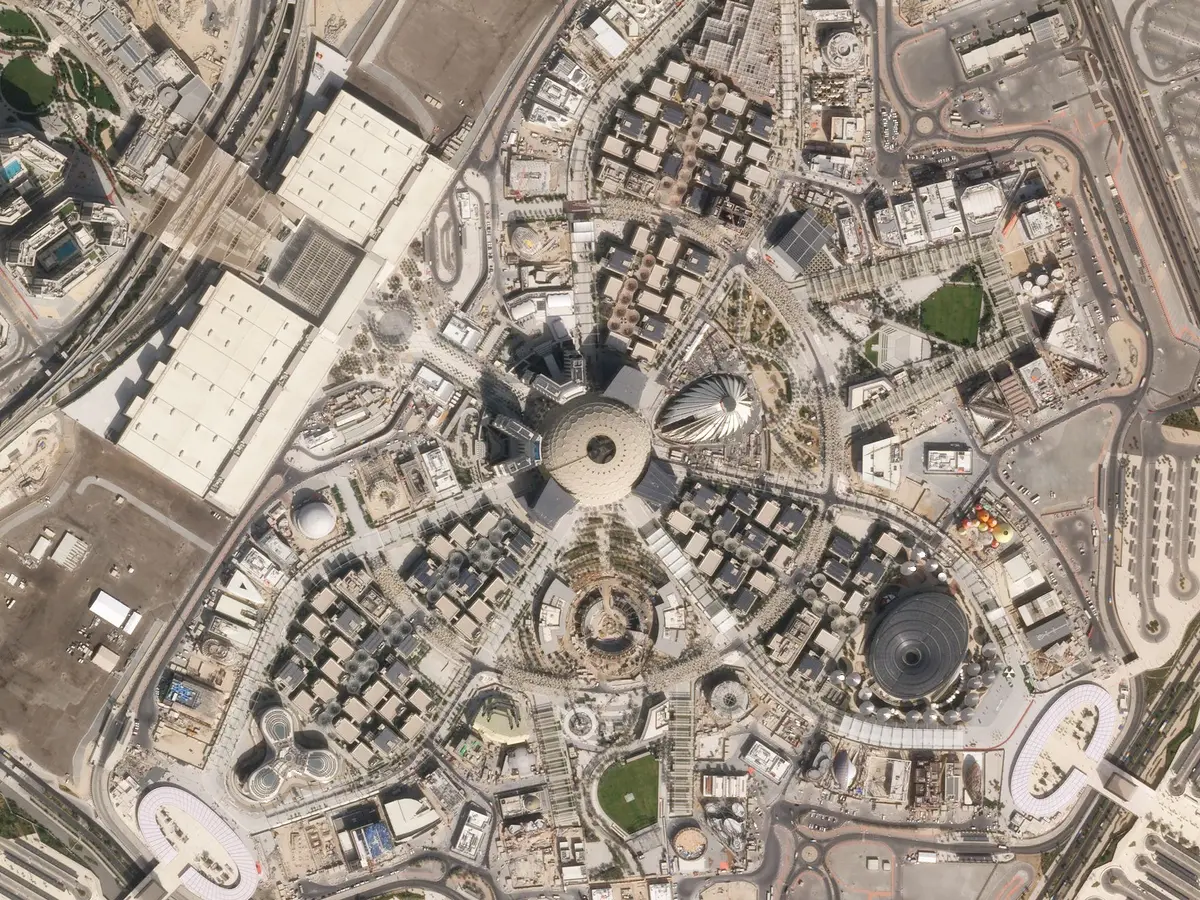
Planet Labs Restricts Middle East Imagery Access
The Gist
Planet Labs extends restrictions on commercial access to Earth observation data over the Middle East, limiting access to up-to-date imagery.
Explain Like I'm Five
"Imagine Planet Labs is like a photographer who takes pictures of the Earth from space. They're now limiting who can see pictures of certain places in the Middle East to prevent bad guys from using them to cause trouble."
Deep Intelligence Analysis
The restrictions, while intended to mitigate the risk of misuse, also have unintended consequences. Journalists and researchers who rely on timely satellite imagery for situational awareness are now facing significant challenges in covering the region. The loss of EO imagery limits the public's ability to understand what's happening on the ground, potentially hindering informed decision-making and accountability. Furthermore, the restrictions may drive users to seek alternative EO providers, potentially increasing the risk of data misuse by less scrupulous actors.
Planet Labs' decision underscores the complex ethical and strategic considerations that commercial space operators face in an increasingly contested space environment. As space-based infrastructure becomes more integral to both military and civilian activities, the need for responsible data governance and international cooperation becomes ever more critical. The long-term implications of these restrictions on transparency, accountability, and the future of commercial EO data in conflict zones remain to be seen.
*Transparency Statement: This analysis was generated by an AI model and reviewed by a human analyst. All information is derived from the provided source content.*
_Context: This intelligence report was compiled by the DailyOrbitalWire Strategy Engine. Verified for Art. 50 Compliance._
Impact Assessment
The restrictions highlight the strategic importance of space-based infrastructure in modern warfare and the challenges of balancing commercial data access with national security concerns. The blackout impacts journalists and researchers relying on timely satellite imagery for situational awareness.
Read Full Story on Payload SpaceKey Details
- ● Planet Labs extended Middle East EO data restrictions from 96 hours to two weeks.
- ● The restricted area now includes all of Iran and nearby allied bases, in addition to the Gulf States and existing conflict zones.
- ● US Central Command destroyed Iran’s military space command less than a week into the conflict.
Optimistic Outlook
Planet's proactive measure could set a precedent for responsible data usage in conflict zones, potentially encouraging other EO providers to implement similar safeguards. This could foster greater trust in the industry and promote ethical data practices.
Pessimistic Outlook
The restrictions limit transparency and hinder independent reporting in the region, potentially exacerbating information asymmetry. It may also drive users to less reputable or unregulated EO providers, increasing the risk of data misuse.

The Signal, Not
the Noise|
Get the week's top 1% of space-tech intelligence synthesized into a 5-minute read. Join 25,000+ aerospace insiders.
Unsubscribe anytime. No spam, ever.