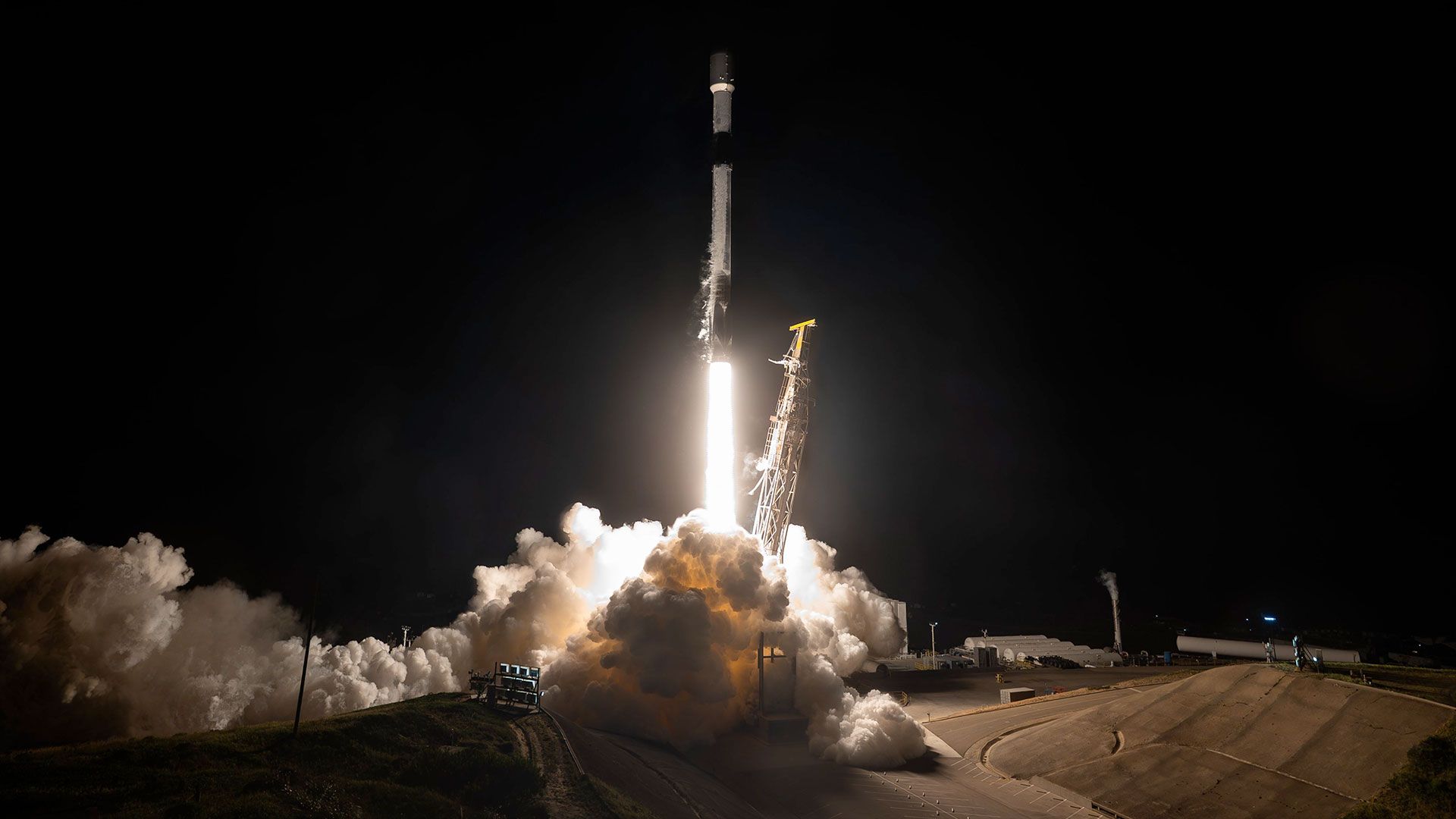
SpaceX Launches More Starlink Satellites from California
The Gist
SpaceX successfully launched 25 Starlink satellites into low Earth orbit from Vandenberg Space Force Base.
Explain Like I'm Five
"SpaceX sent 25 new internet satellites into space using a rocket that has flown six times before! Now, there are almost 10,000 Starlink satellites giving internet to people all over the world."
Deep Intelligence Analysis
However, the rapid expansion of the Starlink constellation raises concerns about orbital congestion and the potential for collisions. The increasing number of satellites in low Earth orbit necessitates improved space traffic management and collision avoidance systems. Furthermore, the environmental impact of frequent launches and the long-term effects of a massive satellite constellation on the night sky require careful consideration and mitigation strategies.
Despite these challenges, SpaceX's Starlink program holds immense potential for bridging the digital divide and providing internet access to underserved communities worldwide. The company's continued innovation in launch technology and satellite design positions it as a key driver of the future space economy. The success of Starlink could pave the way for new applications of space-based infrastructure, including remote sensing, scientific research, and even space tourism.
Transparency Statement: This analysis was generated by an AI model to provide an objective assessment of the provided news article. The AI model has been trained on a diverse range of aerospace and technology data to ensure accuracy and relevance. The analysis is intended for informational purposes only and should not be considered financial or investment advice.
_Context: This intelligence report was compiled by the DailyOrbitalWire Strategy Engine. Verified for Art. 50 Compliance._
Impact Assessment
This launch further expands SpaceX's Starlink constellation, increasing global broadband internet access. The continued re-use of Falcon 9 boosters demonstrates progress in reusable rocket technology, lowering launch costs.
Read Full Story on Space.comKey Details
- ● Falcon 9 lifted off at 7:00 a.m. EDT on March 8.
- ● 25 Starlink satellites (Group 17-18) were deployed.
- ● Booster 1097 completed its seventh spaceflight.
- ● Total active Starlink satellites now number 9,915.
- ● This was SpaceX's 29th launch of the year and 639th overall.
Optimistic Outlook
Continued Starlink deployments will improve global internet connectivity, especially in underserved areas. SpaceX's high launch cadence and booster reusability program position it as a leader in the commercial space sector, potentially accelerating space-based infrastructure development.
Pessimistic Outlook
The growing number of Starlink satellites raises concerns about potential orbital congestion and increased risk of collisions. The environmental impact of frequent launches and the long-term effects of a massive satellite constellation need careful consideration.

The Signal, Not
the Noise|
Get the week's top 1% of space-tech intelligence synthesized into a 5-minute read. Join 25,000+ aerospace insiders.
Unsubscribe anytime. No spam, ever.