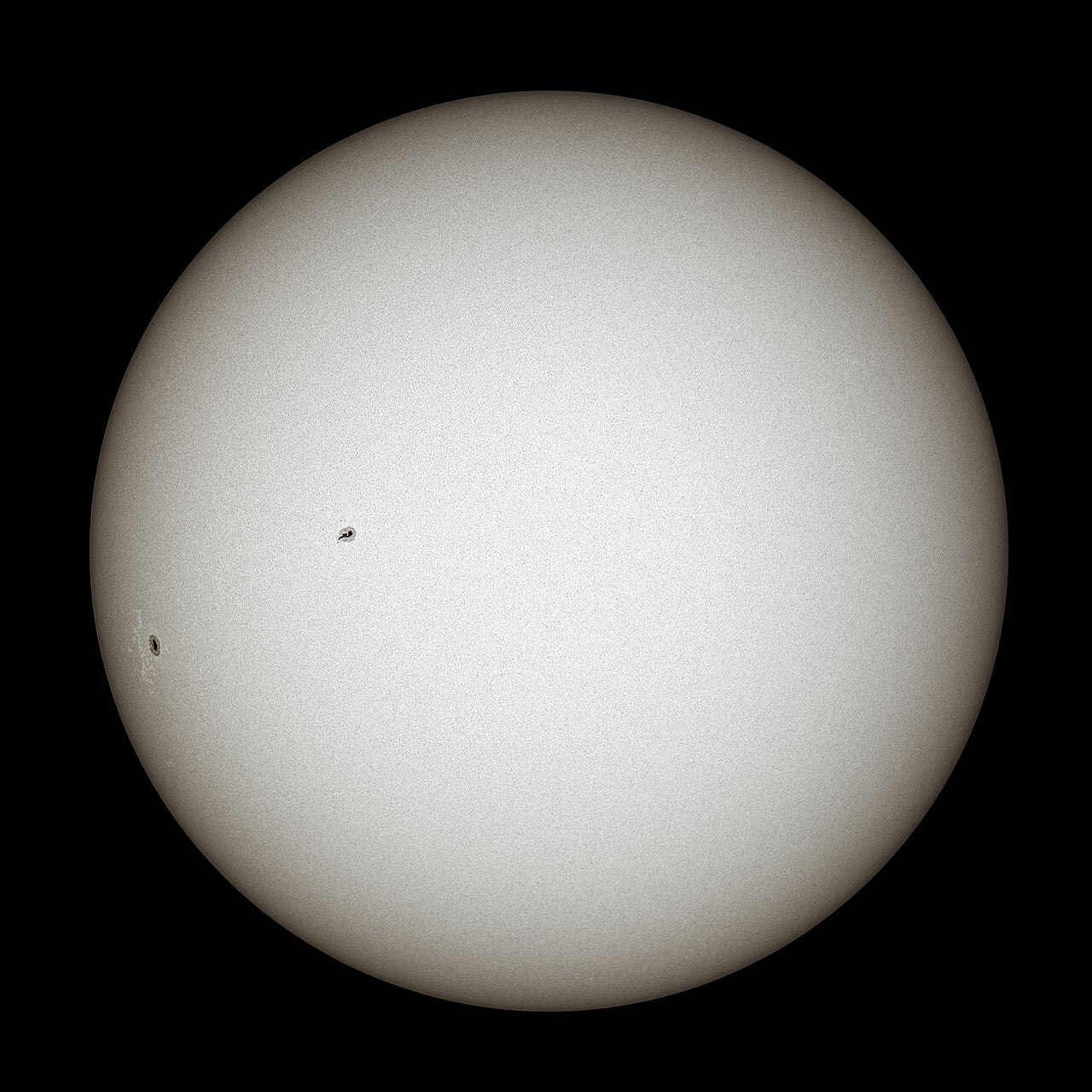
The Sun's 'Heartbeat': 40 Years of Data Reveal Internal Shifts
The Gist
Analysis of 40 years of solar data reveals that the Sun's internal structure shifts between magnetic cycles, impacting space weather prediction.
Explain Like I'm Five
"The Sun is like a giant bell that rings differently each time it's hit, and scientists are listening to those rings to learn about what's inside!"
Deep Intelligence Analysis
Transparency note: This analysis is based solely on the provided source text. No external information was used. The analysis aims to provide an objective summary and interpretation of the source material, focusing on the scientific findings and their implications.
_Context: This intelligence report was compiled by the DailyOrbitalWire Strategy Engine. Verified for Art. 50 Compliance._
Impact Assessment
Understanding these shifts can improve predictions of space weather events, which can disrupt satellites, power grids, and GPS systems. Accurate forecasting has significant implications for modern infrastructure.
Read Full Story on Universe TodayKey Details
- ● The Sun's internal structure shifts between its 11-year magnetic cycles.
- ● Data from the Birmingham Solar Oscillations Network (BiSON) spanning four solar minima (cycles 21-25) was analyzed.
- ● Helioseismology, analyzing the Sun's oscillations, was used to study its internal structure.
Optimistic Outlook
Improved space weather forecasting could mitigate the risks to critical infrastructure from solar events. This could lead to more resilient satellite operations and power grid management.
Pessimistic Outlook
The complexity of solar dynamics may limit the accuracy of space weather predictions. Unforeseen solar events could still pose a significant threat to infrastructure.

The Signal, Not
the Noise|
Get the week's top 1% of space-tech intelligence synthesized into a 5-minute read. Join 25,000+ aerospace insiders.
Unsubscribe anytime. No spam, ever.