
PlatoSim Enables High-Precision Space-Based Photometry Modeling
THE GIST: PlatoSim is an end-to-end simulator developed for the ESA's PLATO mission to model high-precision photometry.
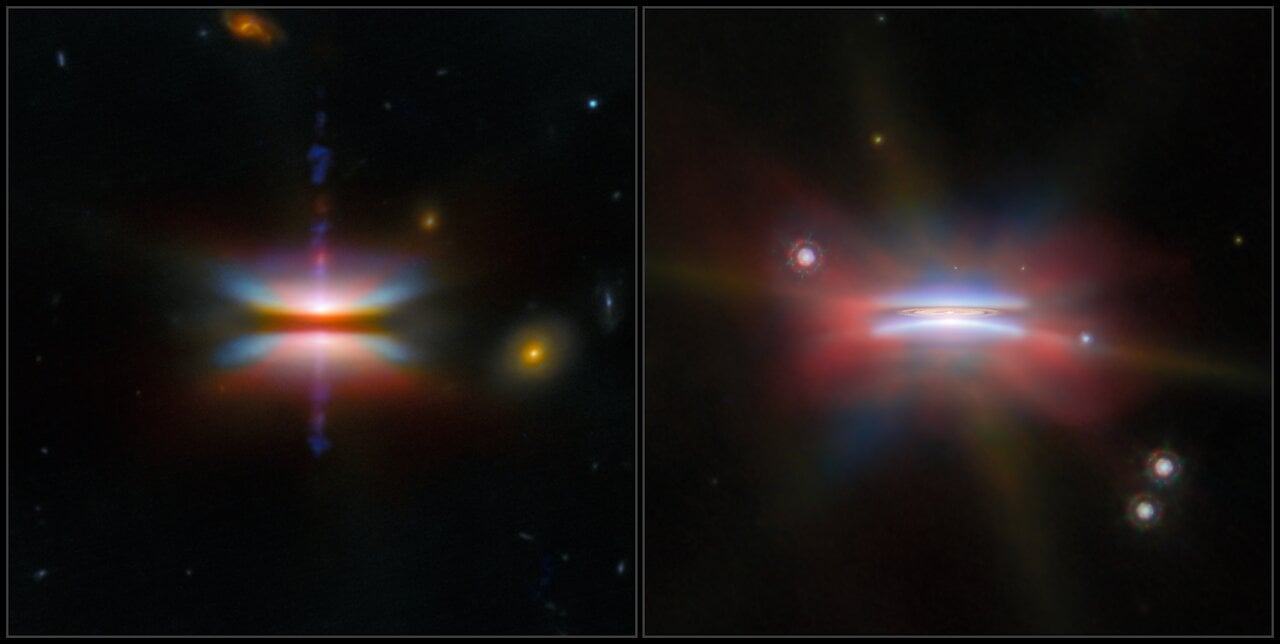
JWST Images Reveal Planet-Forming Disks and Potential Planet
THE GIST: JWST captures detailed images of protoplanetary disks, revealing insights into planet formation.
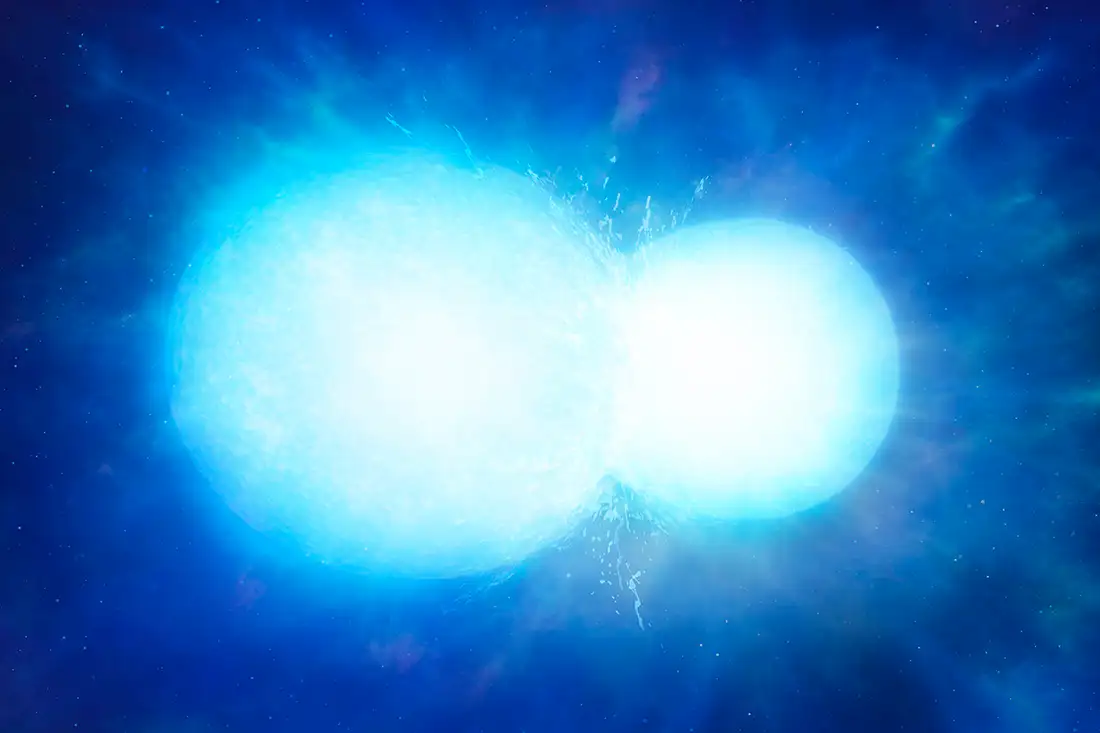
Discovery of 'Merger Remnant' Star Challenges Stellar Classification
THE GIST: Astronomers have identified a new class of stellar remnant, exemplified by 'Gandalf', challenging existing white dwarf classifications.
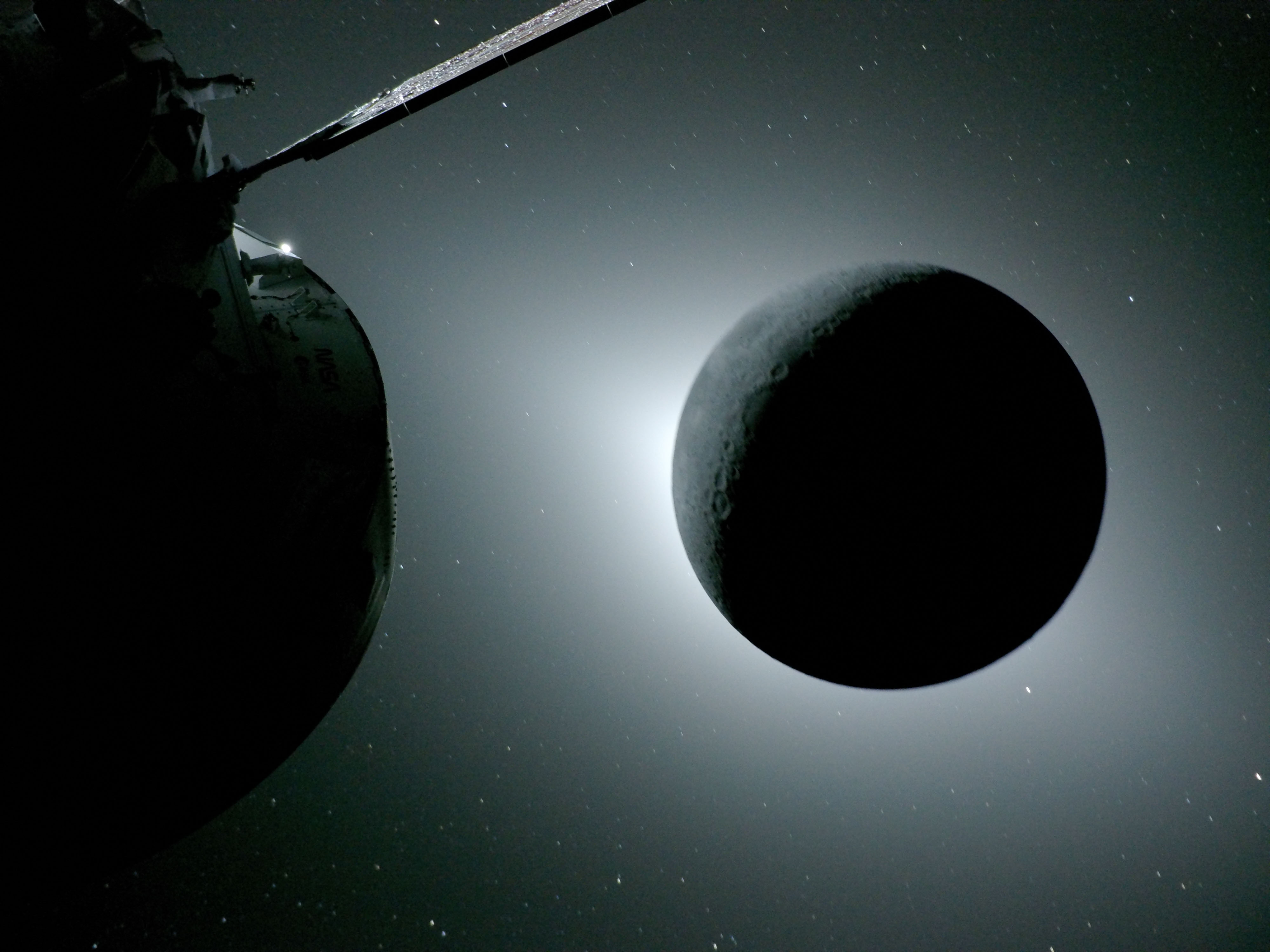
Artemis II Captures Solar Eclipse During Lunar Flyby in 2026
THE GIST: <b>Artemis II astronauts observed a solar eclipse during their lunar flyby on April 6, 2026.</b>
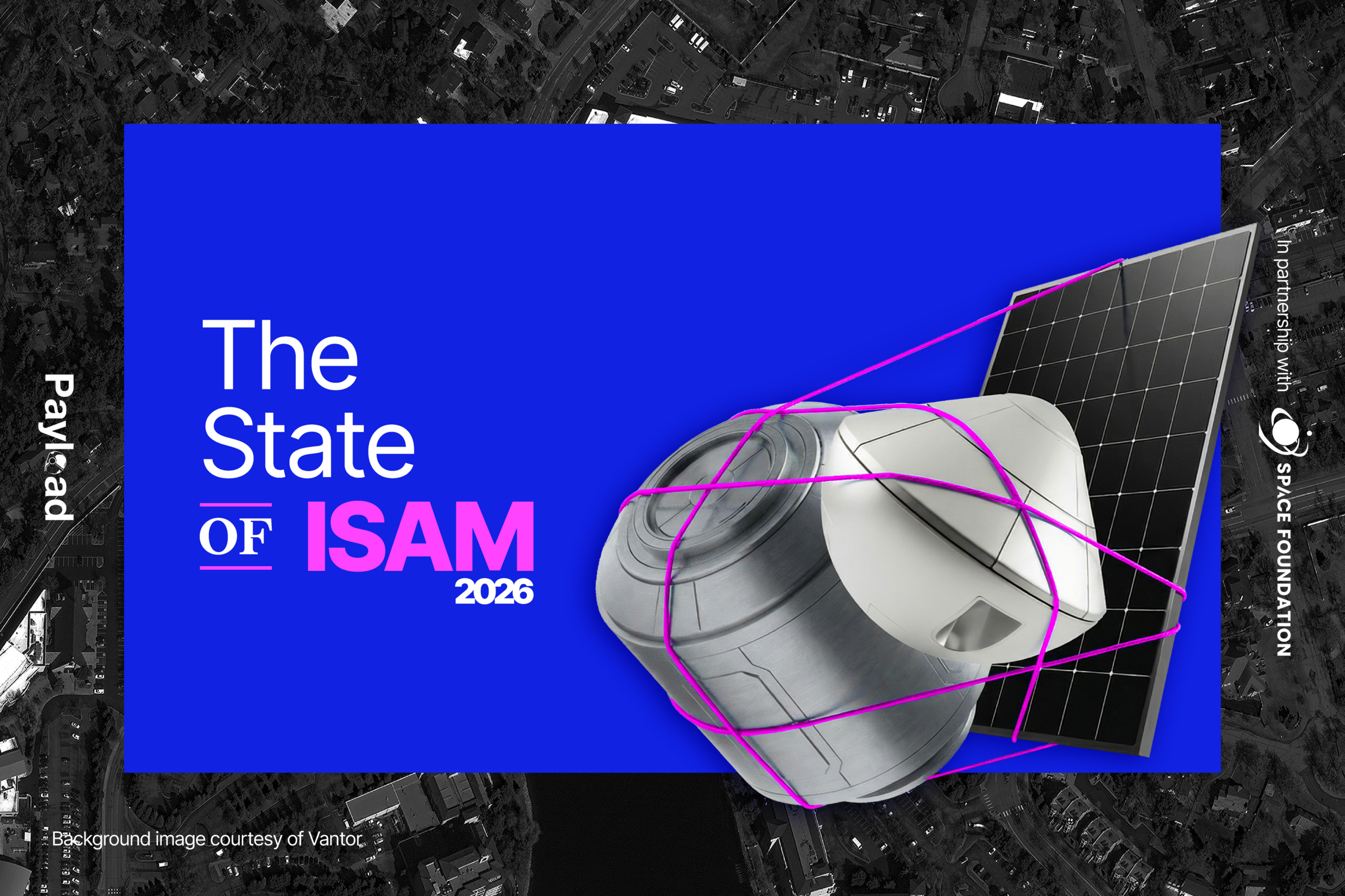
In-Space Servicing, Assembly, and Manufacturing (ISAM) Market Overview 2026
THE GIST: ISAM is evolving from government-led projects to commercial operations, but faces challenges in proving viability.
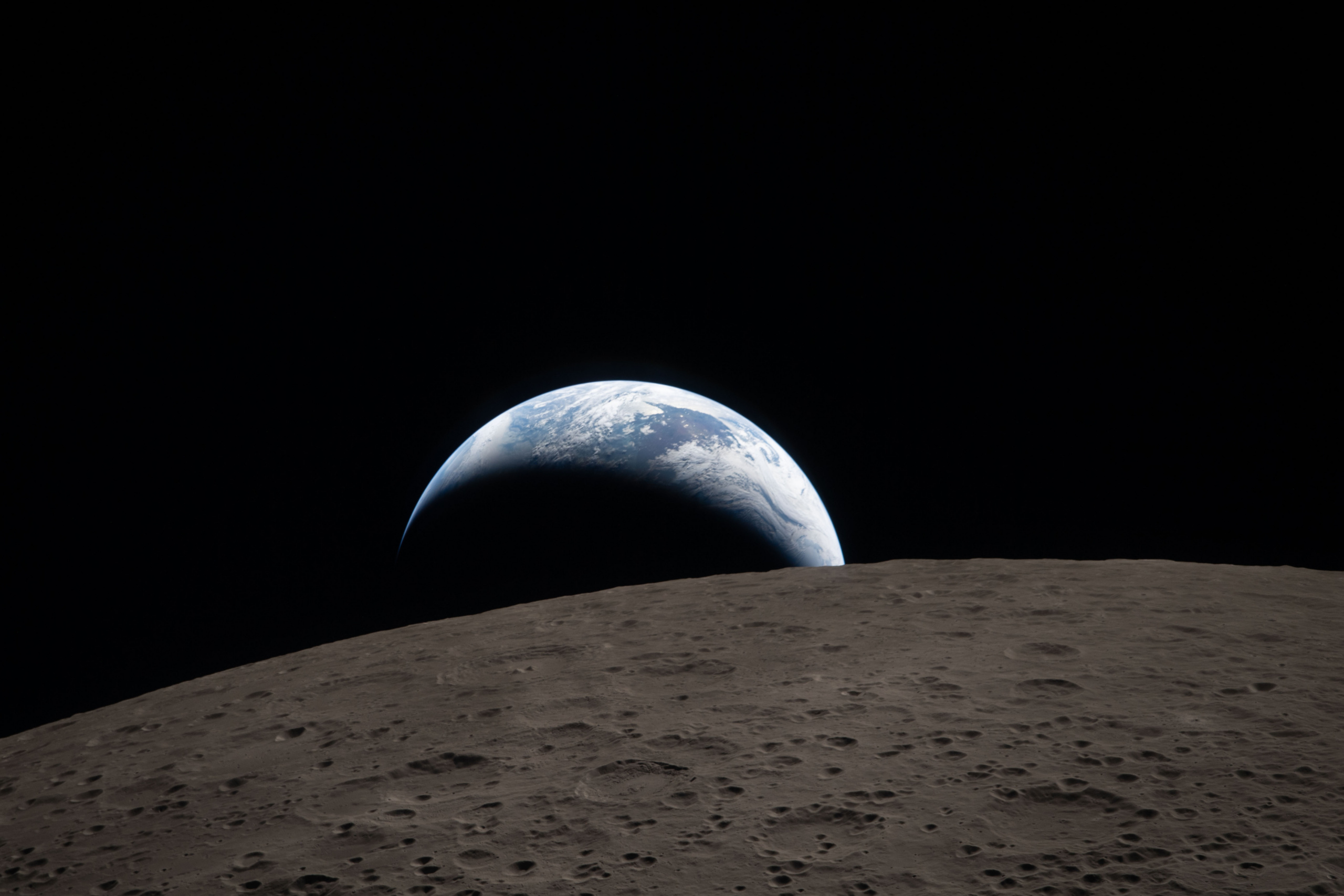
Czech Radiation Chips Monitor Artemis II Astronauts
THE GIST: Czech ADVACAM chips on Artemis II monitor radiation, building on ISS experience to enhance spaceflight safety.

Capella Space Awarded $49M Contract for Military Comms Satellite Demo
THE GIST: Capella Space secures $49M to build two satellites for military communications demonstration.

XSNAP: Open-Source Pipeline for Analyzing X-ray Supernova Spectra
THE GIST: XSNAP, an open-source Python package, standardizes X-ray supernova spectral analysis, applied to SN 2024ggi.

STRADAViT: Self-Supervised Learning for Radio Astronomy Image Analysis
THE GIST: STRADAViT uses self-supervised learning to improve morphology analysis of radio astronomy images from diverse telescopes.
Scilab: Open-Source Alternative for FPGA Design in Radio Astronomy
THE GIST: Scilab offers an open-source alternative to MATLAB/Simulink for designing FPGA-based digital signal processing systems in radio astronomy.
Frabjous: Deep Learning for Rapid Fast Radio Burst Classification
THE GIST: Frabjous, a deep learning framework, automates the classification of Fast Radio Bursts (FRBs) for prioritized follow-up.
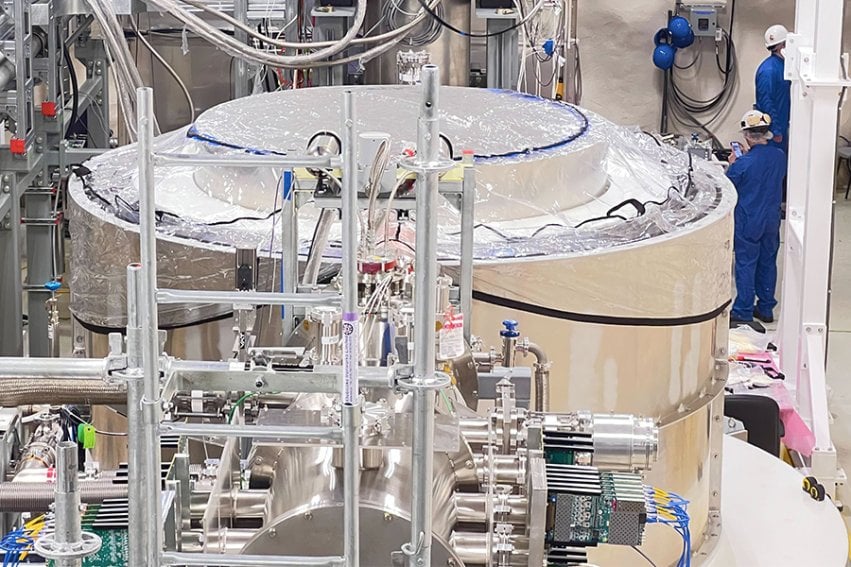
SuperCDMS Experiment Reaches Critical Temperature for Dark Matter Detection
THE GIST: The SuperCDMS experiment has reached its operational temperature, bringing it closer to detecting dark matter.