
LLMs Evaluated for Original Astronomy Research Capabilities
THE GIST: Graduate students assessed LLMs' ability to conduct original astronomy research, finding limitations in detail, accuracy, and code generation.

Spatial Filter Enhances Radio Telescope Sensitivity for FRB Detection
THE GIST: A spatial filter based on the Karhunen-Loeve Transform mitigates radio interference, enhancing radio telescope sensitivity for Fast Radio Burst (FRB) detection.
Tri-Coupler Geometries Enhance Exoplanet Detection
THE GIST: Tri-coupler geometries for nulling interferometry offer deeper, broader starlight suppression for exoplanet detection in the near-infrared.

CRIMP Mission to Study Magnetopause Reconnection
THE GIST: The CRIMP mission, using two spacecraft, will investigate mesoscale structures and particle outflow at Earth's magnetopause to understand magnetic reconnection.
Quadratic Shift-and-Stack Boosts Cislunar Object Detection
THE GIST: A new quadratic shift-and-stack method enhances ground-based optical detection of faint cislunar objects by correcting for nonlinear motion.
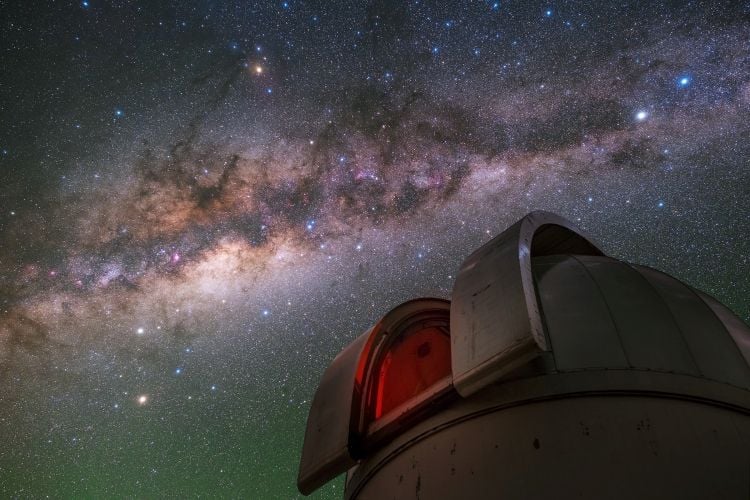
Henrietta Spectrograph to Advance Exoplanet Atmosphere Science
THE GIST: The Henrietta Infrared Spectrograph aims to provide unprecedented detail in exoplanet atmosphere research.
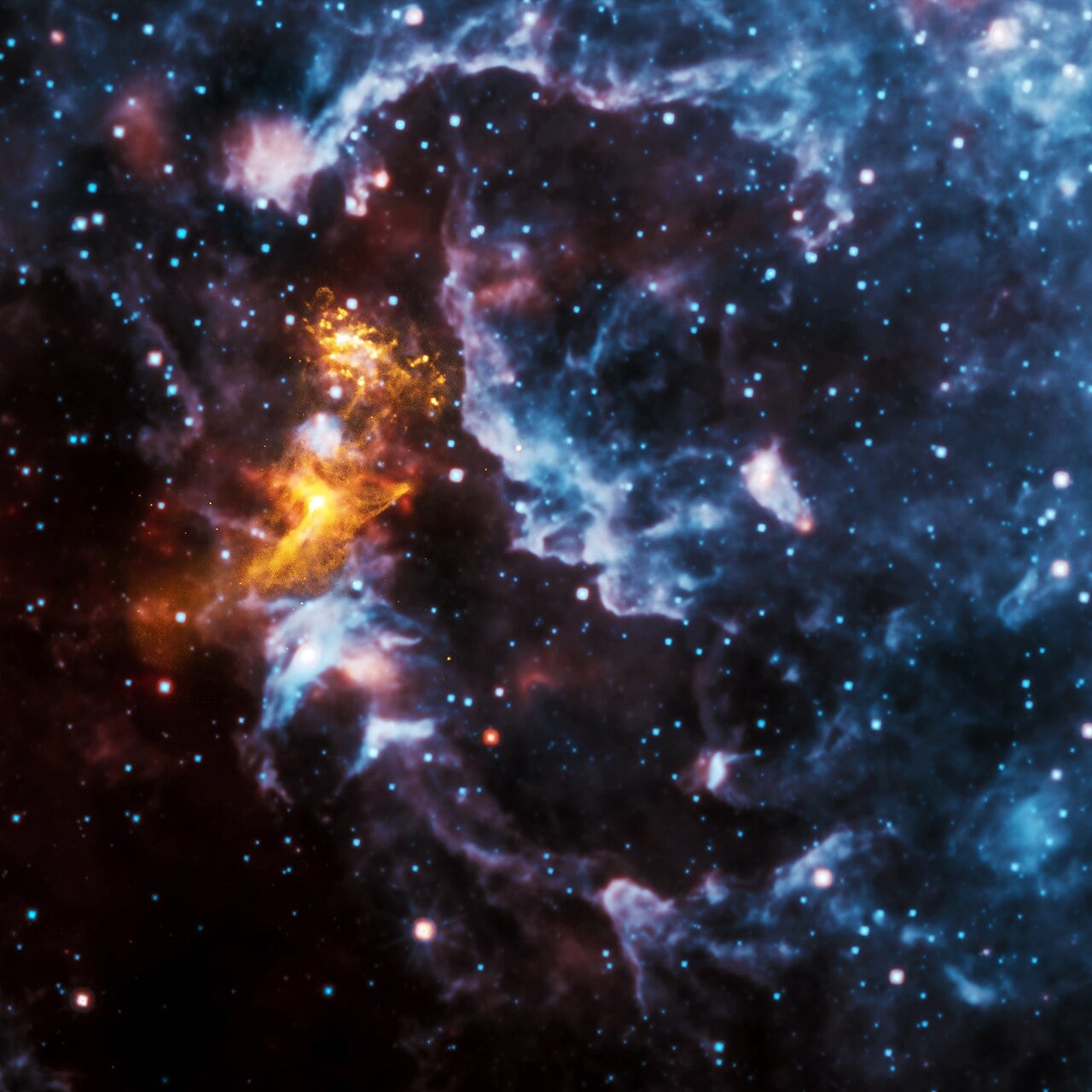
Millisecond Pulsars Emit Radio Waves from Unexpected Outer Regions
THE GIST: Millisecond pulsars emit radio signals from their outer magnetic reaches, challenging previous assumptions about their origin near the surface.
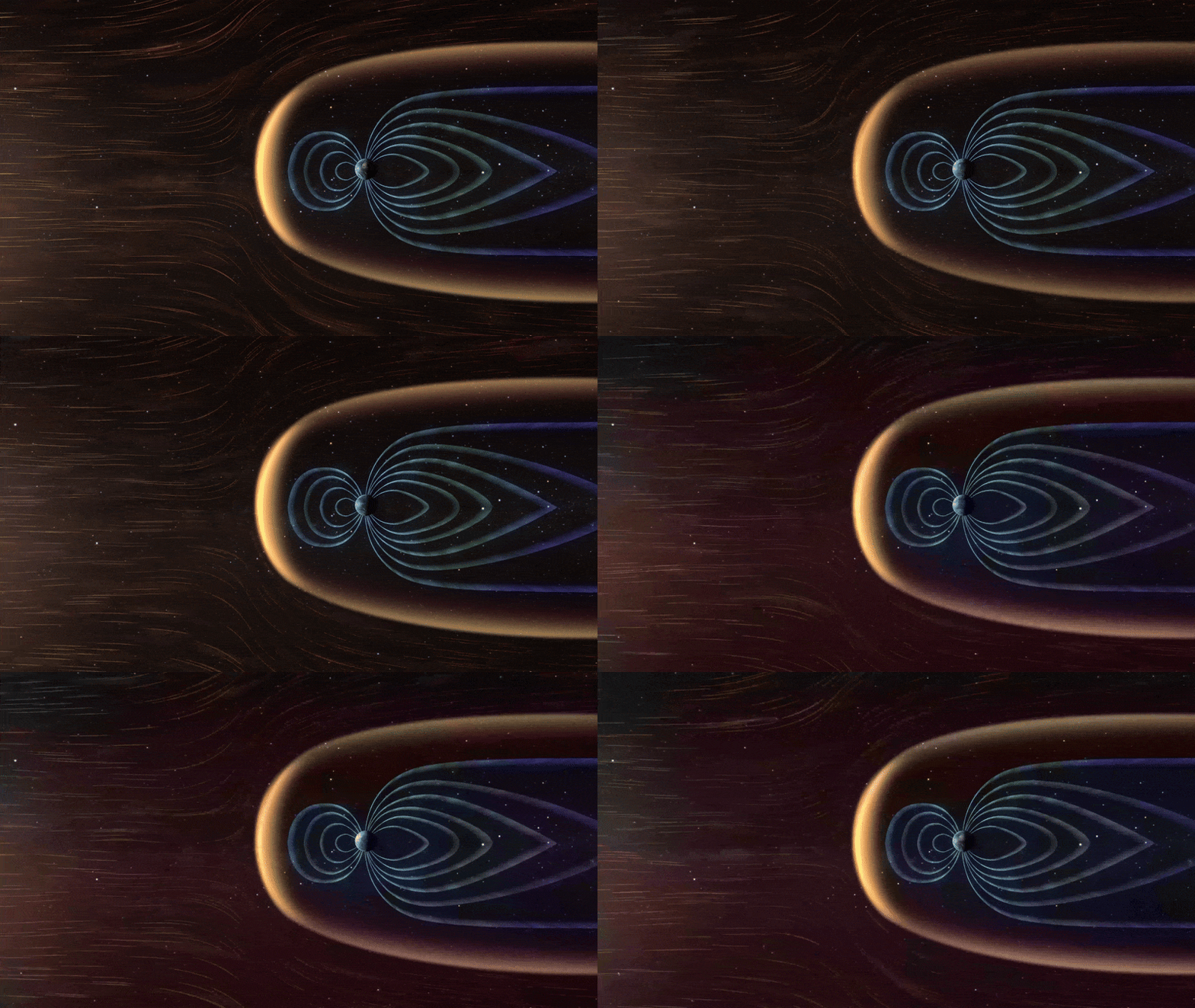
Plasma Waves Actively Shape the Solar Wind, Influencing Earth's Space Environment
THE GIST: Plasma waves within the solar wind actively redistribute energy, significantly shaping the space environment and influencing geomagnetic storms on Earth.
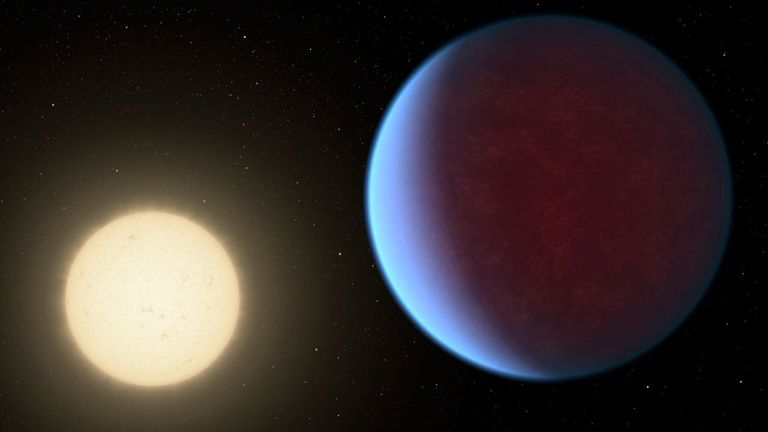
Optical Vortex Masks: Blocking Starlight to Find Exoplanets
THE GIST: Optical vortex phase masks suppress starlight, enabling direct imaging of faint exoplanets by future space telescopes.
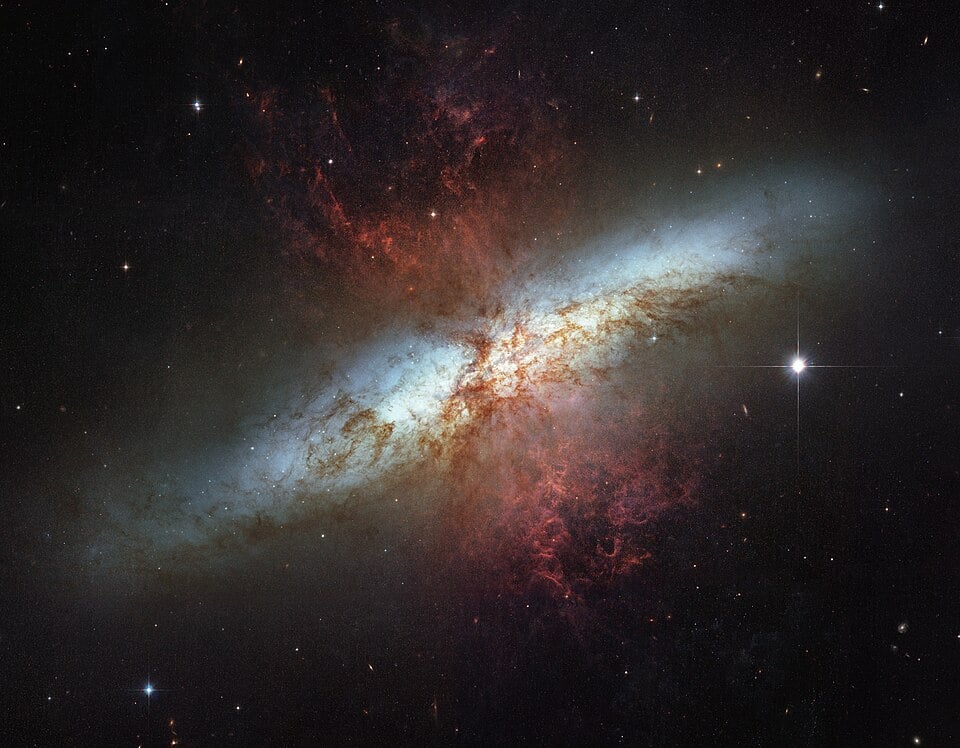
XRISM Telescope Measures Galactic Wind Speed in M82
THE GIST: XRISM spacecraft measures the speed of hot gas outflow from the starburst galaxy M82 at 3.2 million km/h.
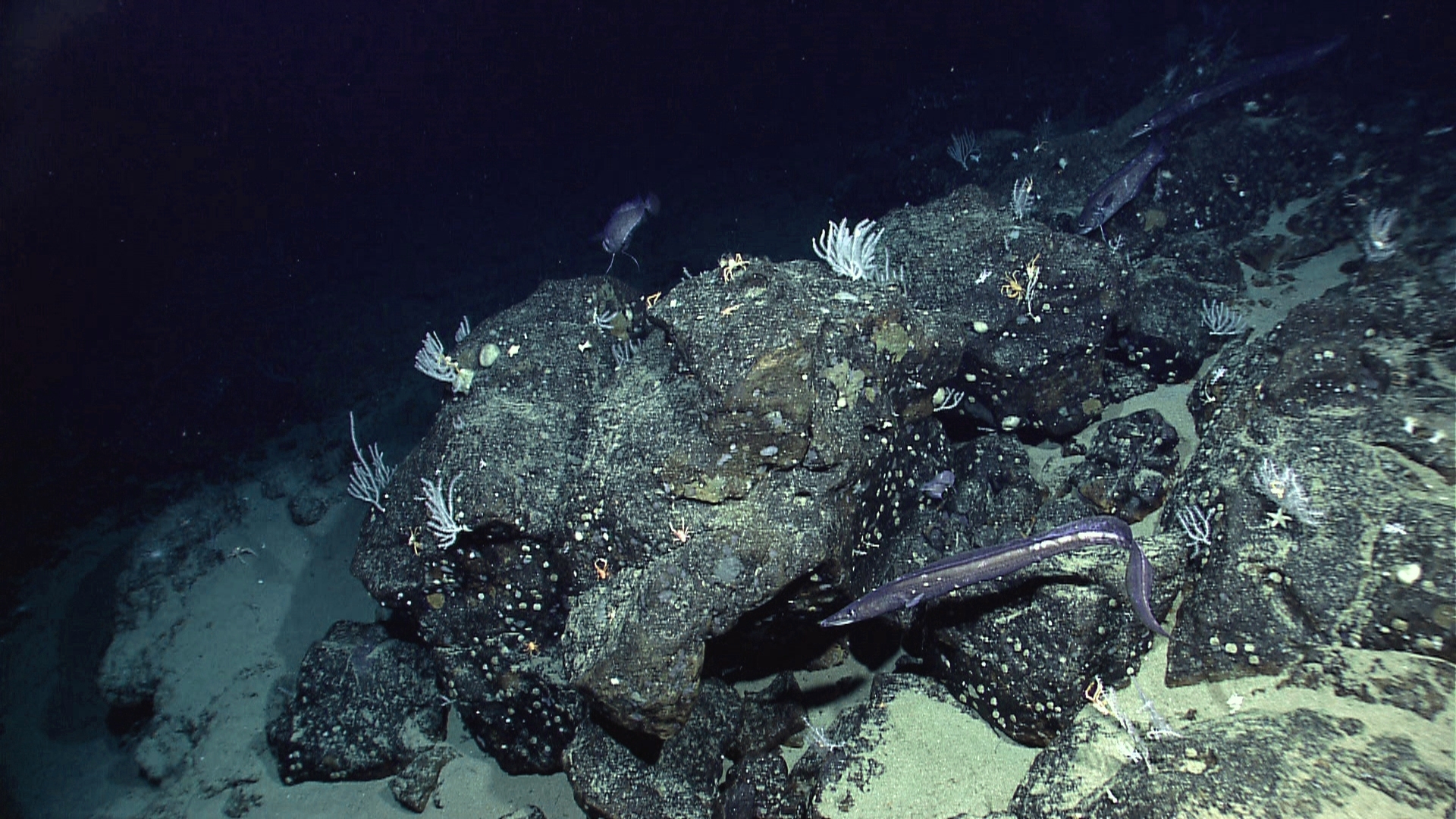
SWOT Satellite Improves Seafloor Mapping Accuracy
THE GIST: NASA's SWOT satellite data enhances seafloor mapping, crucial for navigation, resource exploration, and understanding ocean dynamics.

ESA Launches Celeste Satellites to Explore LEO Navigation
THE GIST: ESA launched two Celeste satellites to test a complementary LEO layer for Galileo navigation.