BREAKING: • Machine Learning Creates High-Resolution Martian Temperature Maps • NASA's 2028 Moon Landing Faces Spacesuit Development Delays • SpaceX launches final GPS III satellite for U.S. Space Force. • eROSITA maps Solar System's X-ray emissions, revealing new insights. • Antarctic Team Witnesses Rare Annular Solar Eclipse
Machine Learning Creates High-Resolution Martian Temperature Maps
Habitats & ISRU Apr 21
arXiv Earth & Planetary // 2026-04-21

Machine Learning Creates High-Resolution Martian Temperature Maps

THE GIST: Machine learning generates high-resolution Martian surface temperature maps, enhancing ISRU and mission planning.

IMPACT: High-resolution temperature maps are crucial for understanding Martian geology, assessing ISRU potential, and planning future missions. This technology enables a more detailed analysis of the Martian surface.
Optimistic
Pessimistic
ELI5
Deep Dive // Full Analysis
NASA's 2028 Moon Landing Faces Spacesuit Development Delays
Habitats & ISRU Apr 21
Payload Space // 2026-04-21

NASA's 2028 Moon Landing Faces Spacesuit Development Delays

THE GIST: NASA's 2028 Moon landing may be delayed due to spacesuit development challenges.

IMPACT: Delays in spacesuit development could significantly impact the Artemis program's timeline and increase costs. Sole-source contracts introduce risk, potentially hindering innovation and competition in the commercial space sector.
Optimistic
Pessimistic
ELI5
Deep Dive // Full Analysis
SpaceX launches final GPS III satellite for U.S. Space Force.
Launch Vehicles Apr 21
Spaceflight Now // 2026-04-21

SpaceX launches final GPS III satellite for U.S. Space Force.

THE GIST: SpaceX successfully launched the final GPS III satellite, named 'Hedy Lamar', for the U.S. Space Force.
IMPACT: This launch completes the GPS III block, enhancing positioning capabilities for both military and civilian users. SpaceX's ability to launch GPS satellites originally intended for ULA highlights its growing role in national security space missions. The successful booster landing further demonstrates SpaceX's reusable rocket technology.
Optimistic
Pessimistic
ELI5
Deep Dive // Full Analysis
eROSITA maps Solar System's X-ray emissions, revealing new insights.
Satellites Apr 21
Universe Today // 2026-04-21

eROSITA maps Solar System's X-ray emissions, revealing new insights.

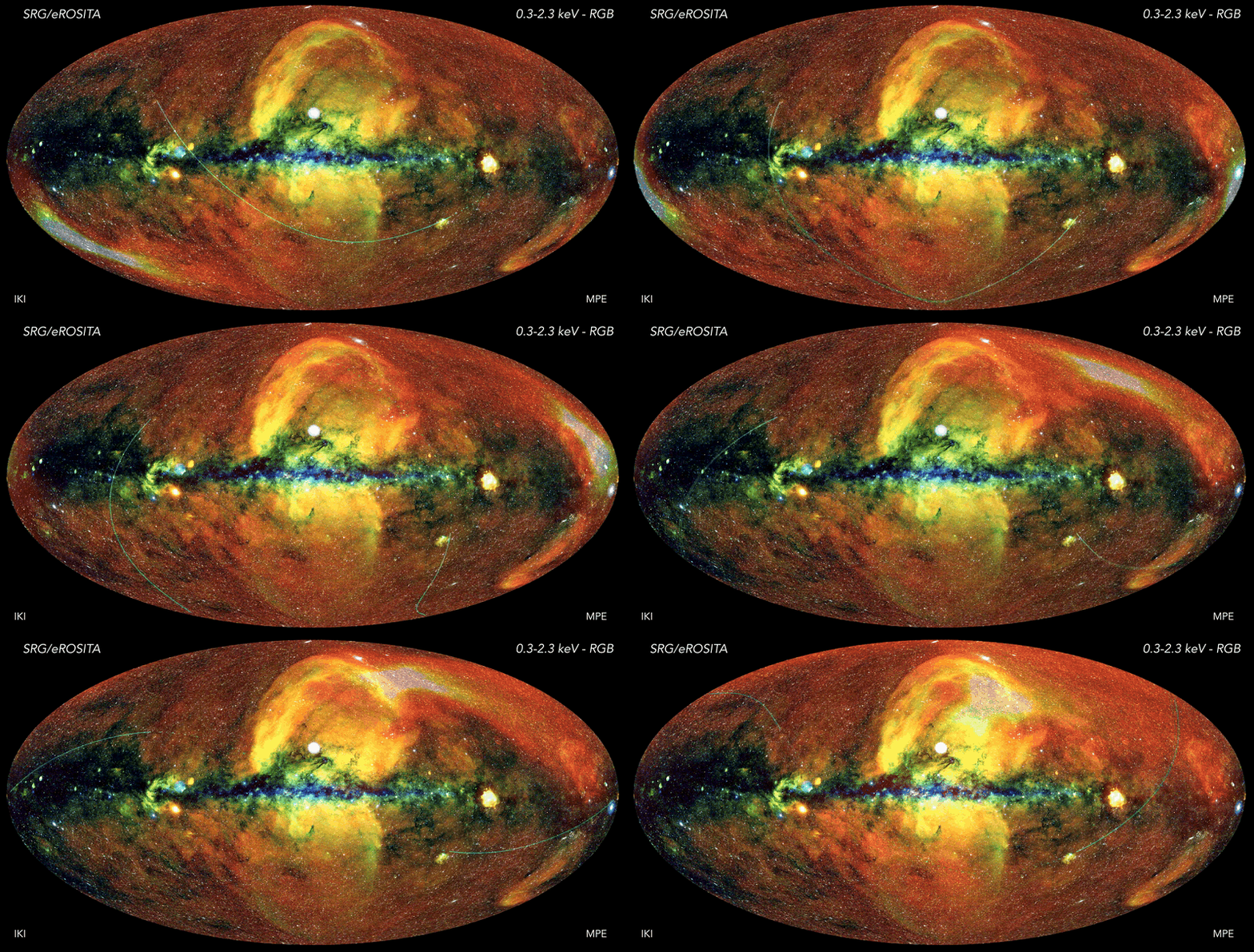
THE GIST: eROSITA disentangles the Solar System's X-ray glow from deep space, providing unprecedented data.
IMPACT: The new data refines cosmological models by isolating solar wind charge exchange (SWCX) emissions, previously considered signal interference. Understanding SWCX improves the accuracy of temperature and density measurements vital for understanding the universe's evolution. The ability to study the heavy-ion content of the solar wind and its interaction with the interstellar medium is now possible.
Optimistic
Pessimistic
ELI5
Deep Dive // Full Analysis
Antarctic Team Witnesses Rare Annular Solar Eclipse
Satellites Apr 20
Space.com // 2026-04-20

Antarctic Team Witnesses Rare Annular Solar Eclipse

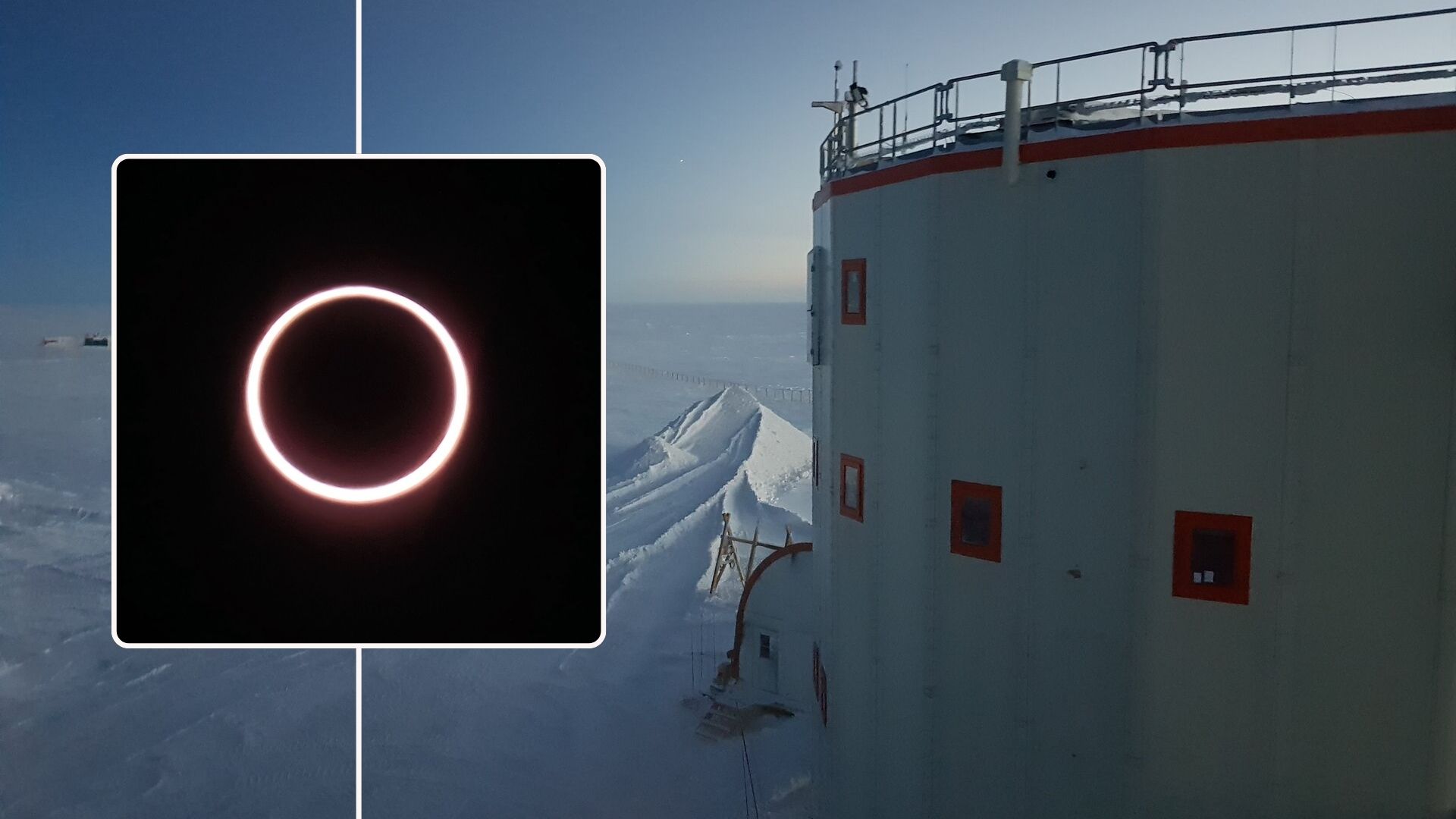
THE GIST: A remote Antarctic research team was the only group on Earth to witness a rare annular solar eclipse.
IMPACT: Witnessing such events from remote locations highlights the importance of Antarctic research stations for scientific observation. The harsh conditions underscore the dedication of researchers in advancing our understanding of space and atmospheric phenomena.
Optimistic
Pessimistic
ELI5
Deep Dive // Full Analysis
Emposat Denies Iranian Military Links Via Ground Stations
Defense & Policy Apr 20
Hacker News Space // 2026-04-20

Emposat Denies Iranian Military Links Via Ground Stations

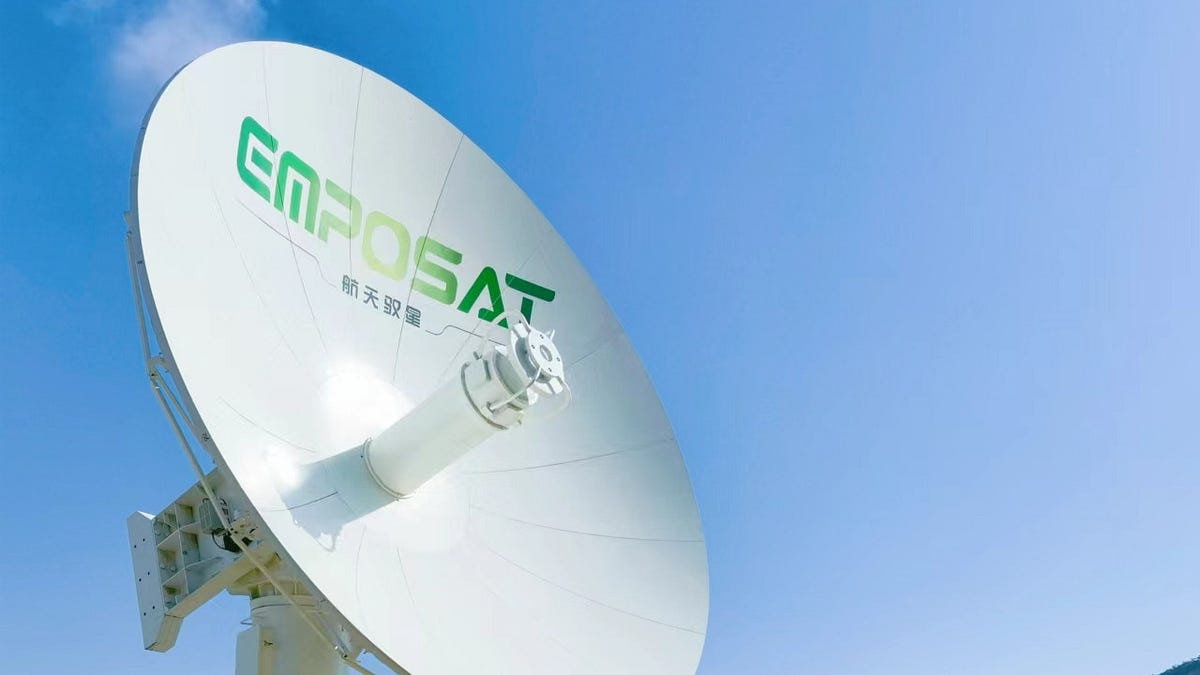
THE GIST: Emposat denies allegations of Iranian military access to its satellite ground stations.
IMPACT: The denial highlights the sensitivity surrounding dual-use space technology and the potential for misuse. Allegations of unauthorized military access to commercial satellite infrastructure could trigger international scrutiny and impact future collaborations.
Optimistic
Pessimistic
ELI5
Deep Dive // Full Analysis
NASA's 'Big Bang' Upgrade Aims to Extend Voyager Missions
Satellites Apr 20
Hacker News Space // 2026-04-20

NASA's 'Big Bang' Upgrade Aims to Extend Voyager Missions

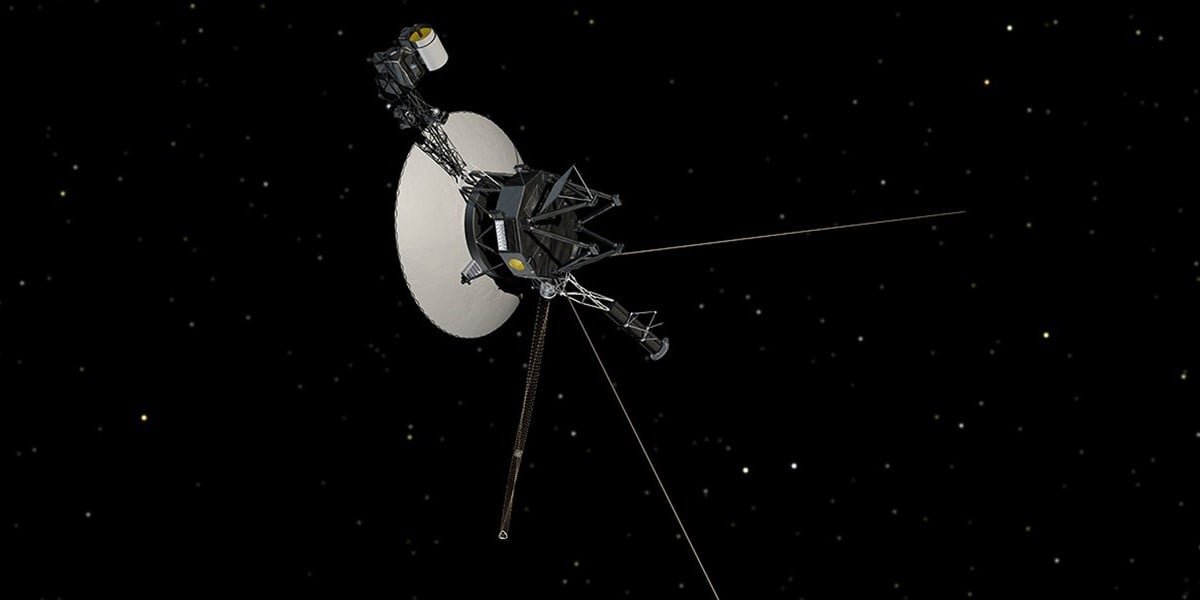
THE GIST: NASA is developing a power-saving upgrade, 'Big Bang', to extend the operational life of the Voyager probes.

IMPACT: The Voyager missions, far exceeding their initial four-year lifespan, continue to provide valuable data from deep space. Extending their operational life allows for continued scientific discovery and reinforces the longevity of space exploration technology.
Optimistic
Pessimistic
ELI5
Deep Dive // Full Analysis
Gravitational Wave Data Strengthens Einstein's Theory of Black Holes
Defense & Policy Apr 20
arXiv Instrumentation // 2026-04-20

Gravitational Wave Data Strengthens Einstein's Theory of Black Holes

THE GIST: Analysis of GWTC-4 data provides tighter constraints on deviations from the Kerr metric, reinforcing General Relativity.

IMPACT: Confirming the Kerr metric strengthens our understanding of black holes and the fundamental laws of physics. Precise measurements of gravitational waves provide a powerful tool for testing General Relativity in extreme environments.
Optimistic
Pessimistic
ELI5
Deep Dive // Full Analysis
Starlight Diffraction Models Dimorphos' Shape After DART Impact
Habitats & ISRU Apr 20
arXiv Instrumentation // 2026-04-20

Starlight Diffraction Models Dimorphos' Shape After DART Impact

THE GIST: Starlight diffraction observed during a stellar occultation constrains the post-DART impact shape of asteroid Dimorphos.

IMPACT: Understanding the impact's effect on Dimorphos' shape provides valuable data for planetary defense strategies. Modeling starlight diffraction offers a cost-effective method for characterizing asteroid shapes.
Optimistic
Pessimistic
ELI5
Deep Dive // Full Analysis
Novel Mechanical Gradiometer Design Targets Low-Frequency Gravitational Waves
Defense & Policy Apr 20
arXiv Instrumentation // 2026-04-20

Novel Mechanical Gradiometer Design Targets Low-Frequency Gravitational Waves

THE GIST: A new mechanical gradiometer design aims to detect low-frequency gravitational waves, filling a gap between space and ground-based detectors.

IMPACT: Detecting low-frequency gravitational waves could reveal new insights into astrophysical phenomena currently undetectable by existing instruments. This technology could complement space-based missions like LISA and ground-based observatories.
Optimistic
Pessimistic
ELI5
Deep Dive // Full Analysis
Deep Learning Framework ExoNet Automates Exoplanet Candidate Validation
Satellites Apr 20
arXiv Instrumentation // 2026-04-20

Deep Learning Framework ExoNet Automates Exoplanet Candidate Validation

THE GIST: ExoNet, a multimodal deep learning framework, automates the validation of exoplanet candidates identified by TESS.

IMPACT: Automated validation pipelines are crucial for processing the vast amounts of data generated by exoplanet surveys like TESS. ExoNet's multimodal approach enhances the efficiency and accuracy of identifying potential habitable worlds.
Optimistic
Pessimistic
ELI5
Deep Dive // Full Analysis
Uncertainties in Stellar and Orbital Parameters Limit Exoplanet Atmosphere Characterization
Satellites Apr 20
arXiv Instrumentation // 2026-04-20

Uncertainties in Stellar and Orbital Parameters Limit Exoplanet Atmosphere Characterization

THE GIST: Stellar and orbital uncertainties significantly impact the interpretation of rocky exoplanet secondary eclipse observations, limiting atmosphere characterization.

IMPACT: Accurate exoplanet atmosphere characterization is crucial for determining habitability and searching for biosignatures. Understanding and mitigating uncertainties is essential for reliable interpretations.
Optimistic
Pessimistic
ELI5
Deep Dive // Full Analysis
Previous
Page 51 of 134
Next
```