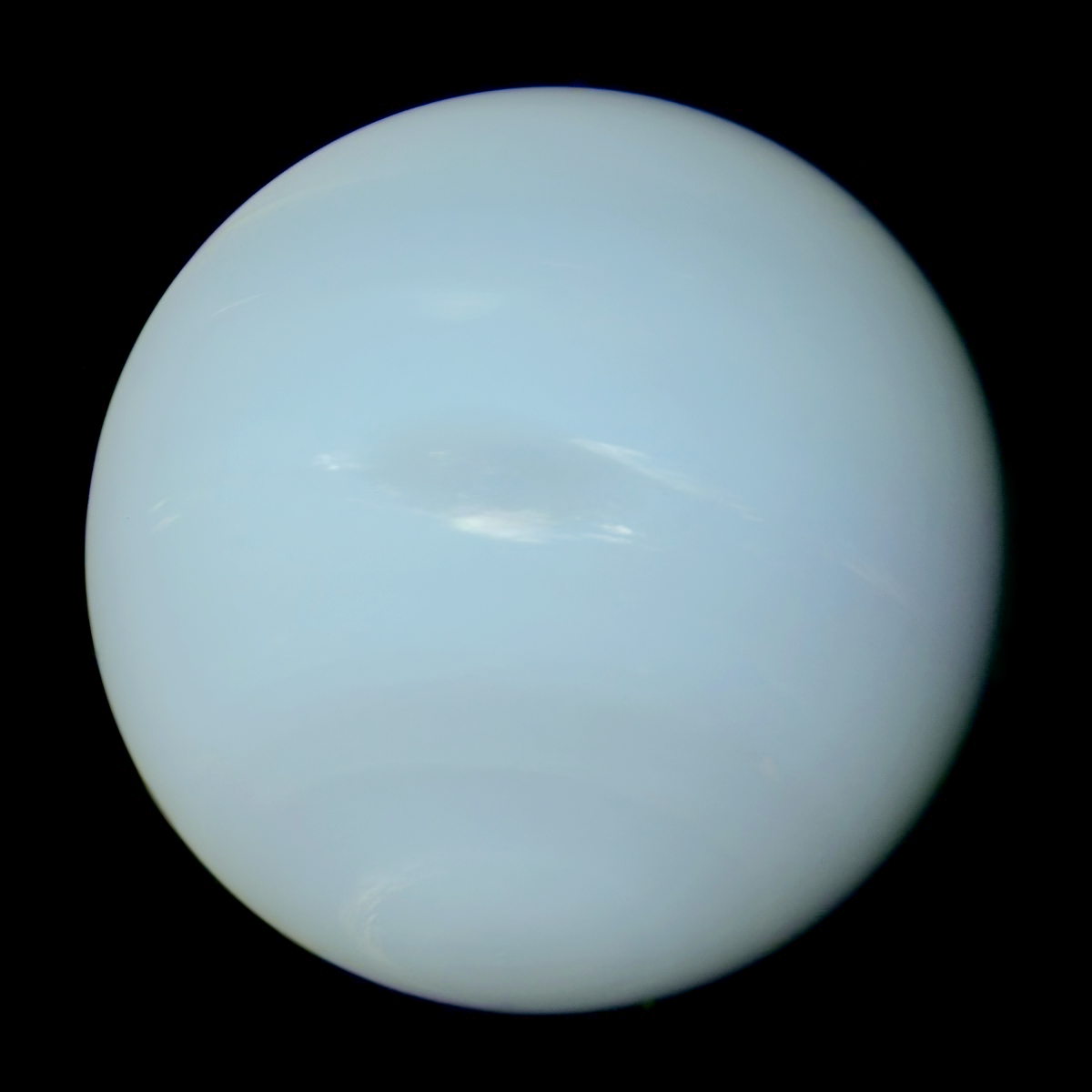
Triton's Tidal Forces May Explain Neptune's Tilt
THE GIST: New research suggests Neptune's axial tilt is a result of gravitational interactions with its captured moon, Triton.
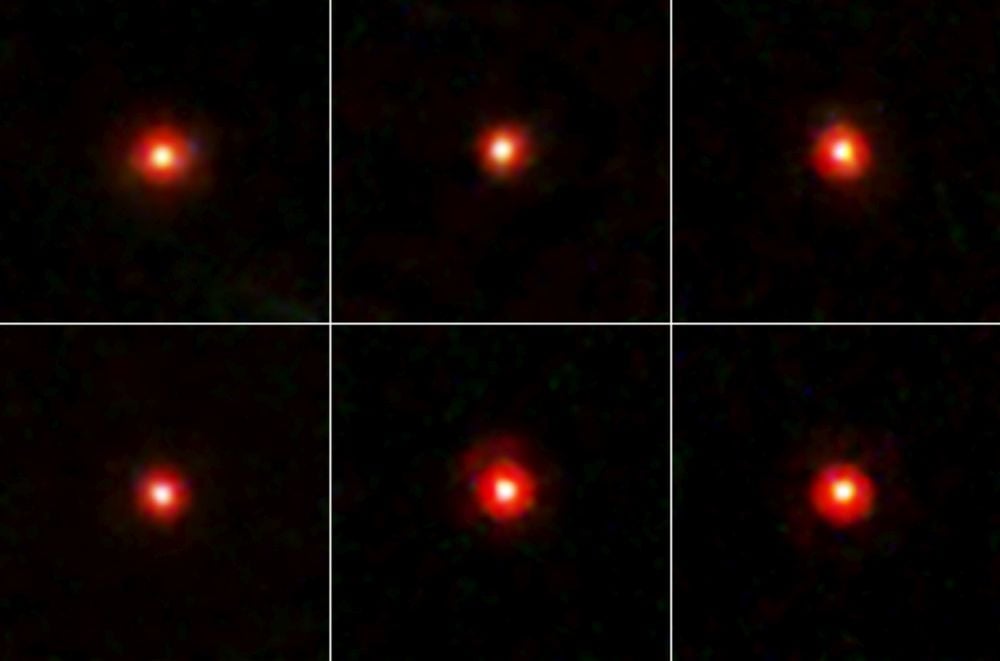
JWST Finds Overmassive Black Holes in Dwarf Galaxies
THE GIST: JWST discovers dwarf galaxies with unexpectedly large supermassive black holes, challenging galaxy evolution models.

NASA Awards Astrophysics Postdoctoral Fellowships for 2026
THE GIST: NASA has awarded 24 postdoctoral fellowships for 2026 to advance astrophysics research.
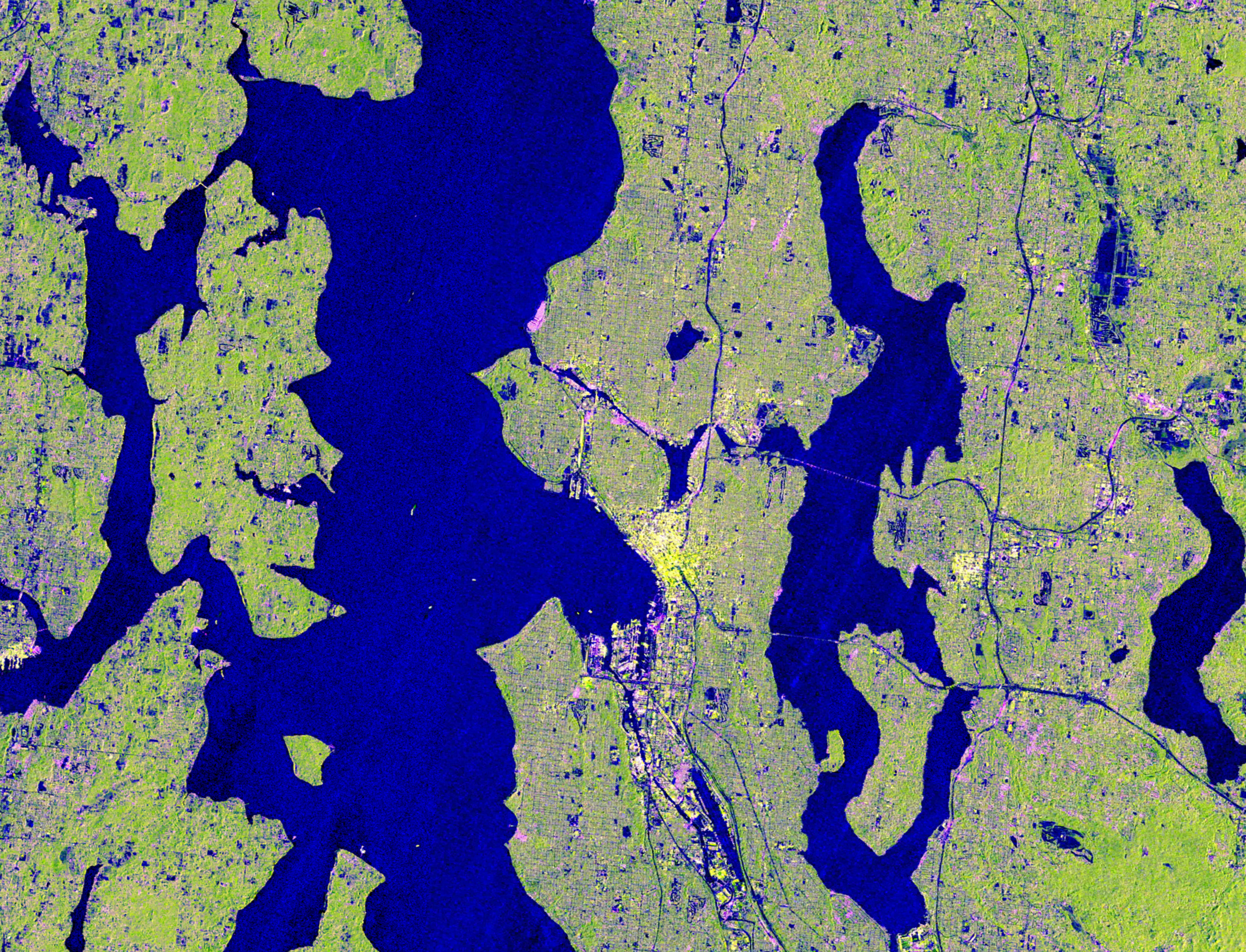
NISAR Satellite Peers Through Pacific Northwest Clouds, Revealing Detailed Imagery
THE GIST: NASA-ISRO's NISAR satellite captures detailed imagery of the Pacific Northwest through cloud cover, aiding resource management and hazard monitoring.
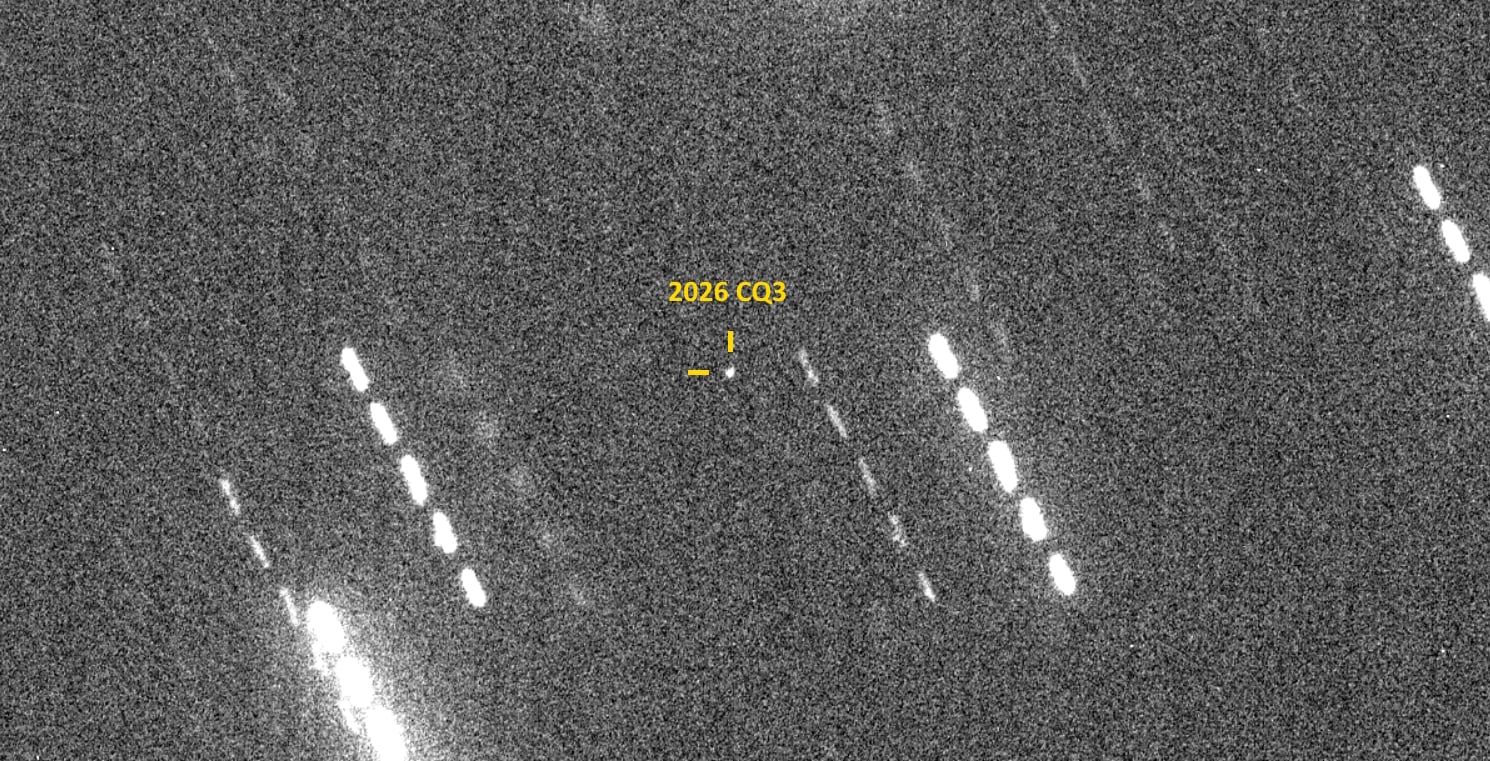
Amateur Astronomer Discovers Near-Earth Asteroid 2026 CQ3, Bypassing All-Sky Surveys
THE GIST: Amateur astronomer Filipp Romanov discovered asteroid 2026 CQ3, showcasing the continued potential for amateur discoveries despite advanced sky surveys.
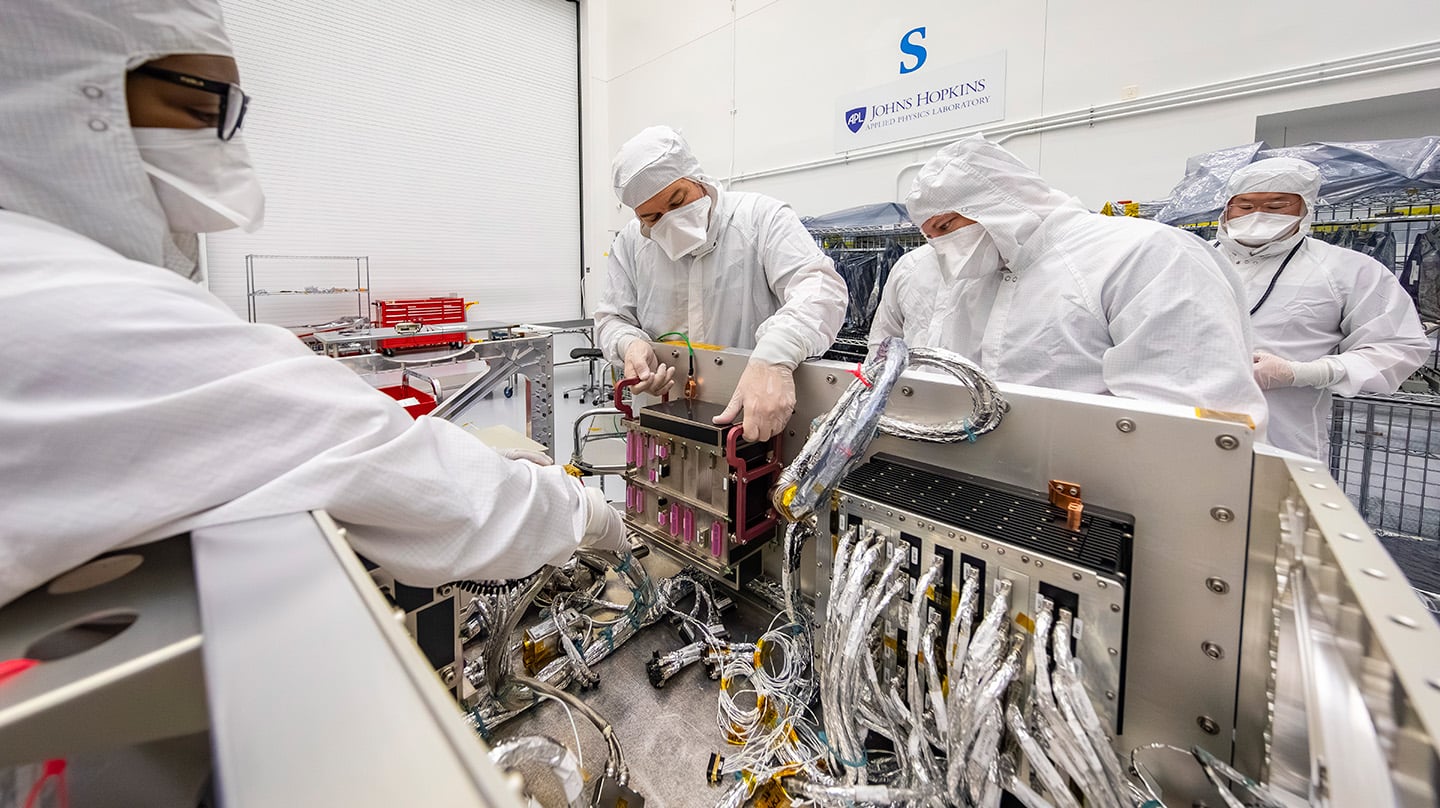
Dragonfly Rotorcraft Begins Integration and Testing for Titan Mission
THE GIST: NASA's Dragonfly mission, a nuclear-powered rotorcraft destined for Titan, has entered the integration and testing phase.
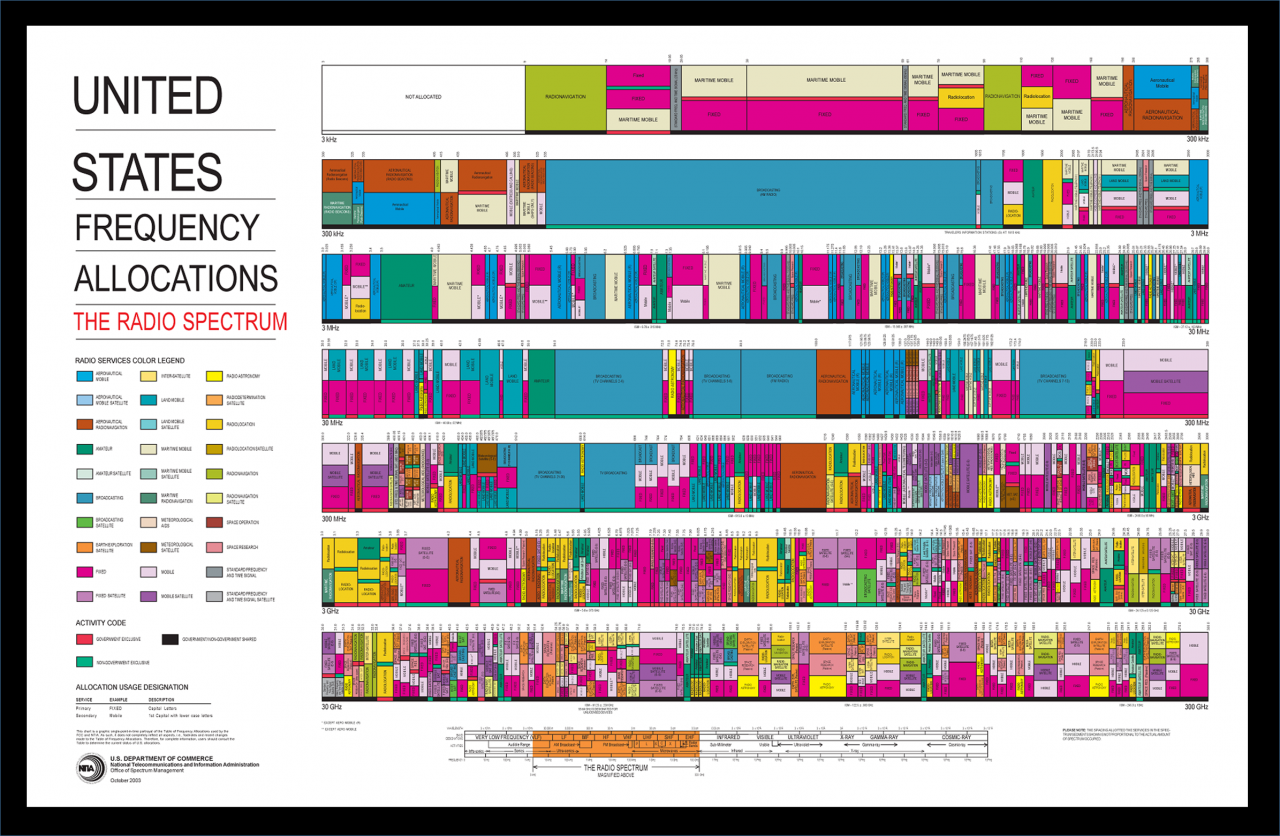
Airbase Secures $5M to Automate Spectrum Allocation for Space Missions
THE GIST: Airbase emerges from stealth with $5M to automate radio frequency (RF) spectrum allocation for growing space missions.

Strong Lensing Boosts Hubble Constant Measurement with Dark Sirens
THE GIST: Strong lensing of gravitational-wave dark sirens, combined with galaxy lensing, can improve Hubble constant measurements.

Searching for Gravitational Waves with Pulsar Timing Arrays
THE GIST: Combined data from five pulsar timing arrays shows results consistent with a stochastic gravitational-wave background, but below the 5σ detection threshold.

CSST and Gravitational Waves: Mapping the Cosmos
THE GIST: Cross-correlating gravitational wave events with China Space Station Survey Telescope data could refine cosmological parameter measurements.
Rydberg Atom Transducer for Dark Matter Detection
THE GIST: A novel hybrid detection architecture using a Rydberg-atom transducer could enable the detection of ultralight bosonic dark matter.
Magnetically Levitated Superconductors as Dark Graviton Sensors
THE GIST: Researchers explore using magnetically levitated superconductors to detect dark gravitons, a hypothetical spin-2 dark matter field.