
LISA Pipeline for Detecting Stellar-Mass Binary Black Holes
THE GIST: A complete pipeline is presented for detecting gravitational waves from stellar-mass binary black holes using LISA data.

FAST Telescope's New Pipeline Enhances Technosignature Detection
THE GIST: A new wavelet-integrated search pipeline improves the detection of narrowband technosignatures in radio data from the FAST telescope.
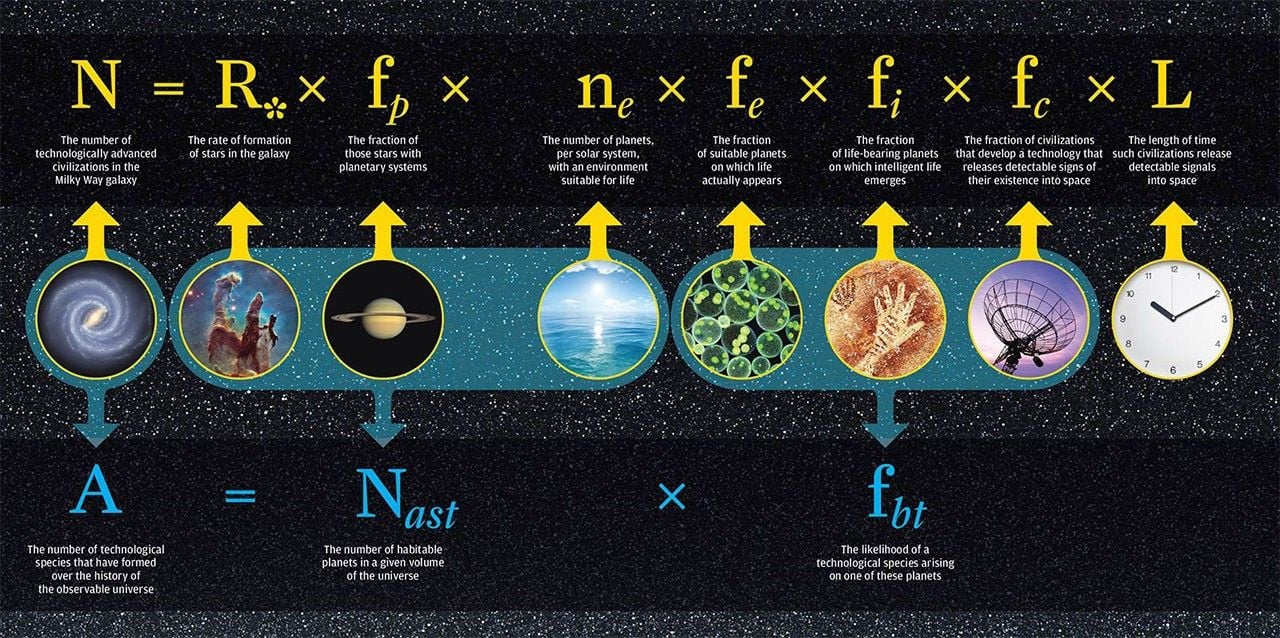
SETI's 'Brief Window Hypothesis' and Fermi Paradox Solutions Explored
THE GIST: The 'Brief Window Hypothesis' suggests civilizations may not last long enough to contact others.
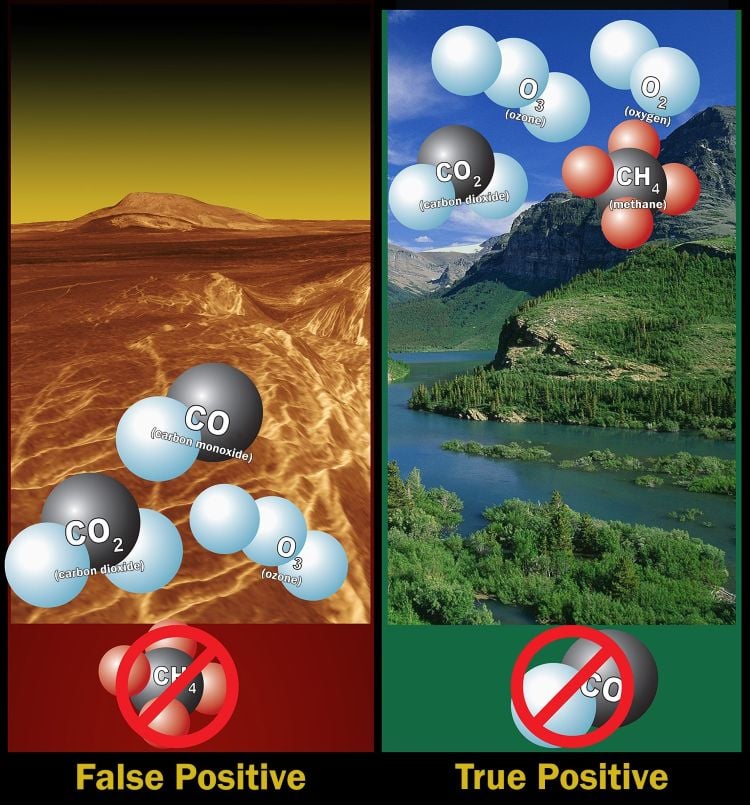
AI Could Help Detect Overlooked Signs of Alien Life
THE GIST: AI could help identify subtle signs of alien life currently missed by space missions.

Rocket League Upgrades to Unreal Engine 6
THE GIST: Rocket League is upgrading from Unreal Engine 3 to Unreal Engine 6, promising visual and performance enhancements.
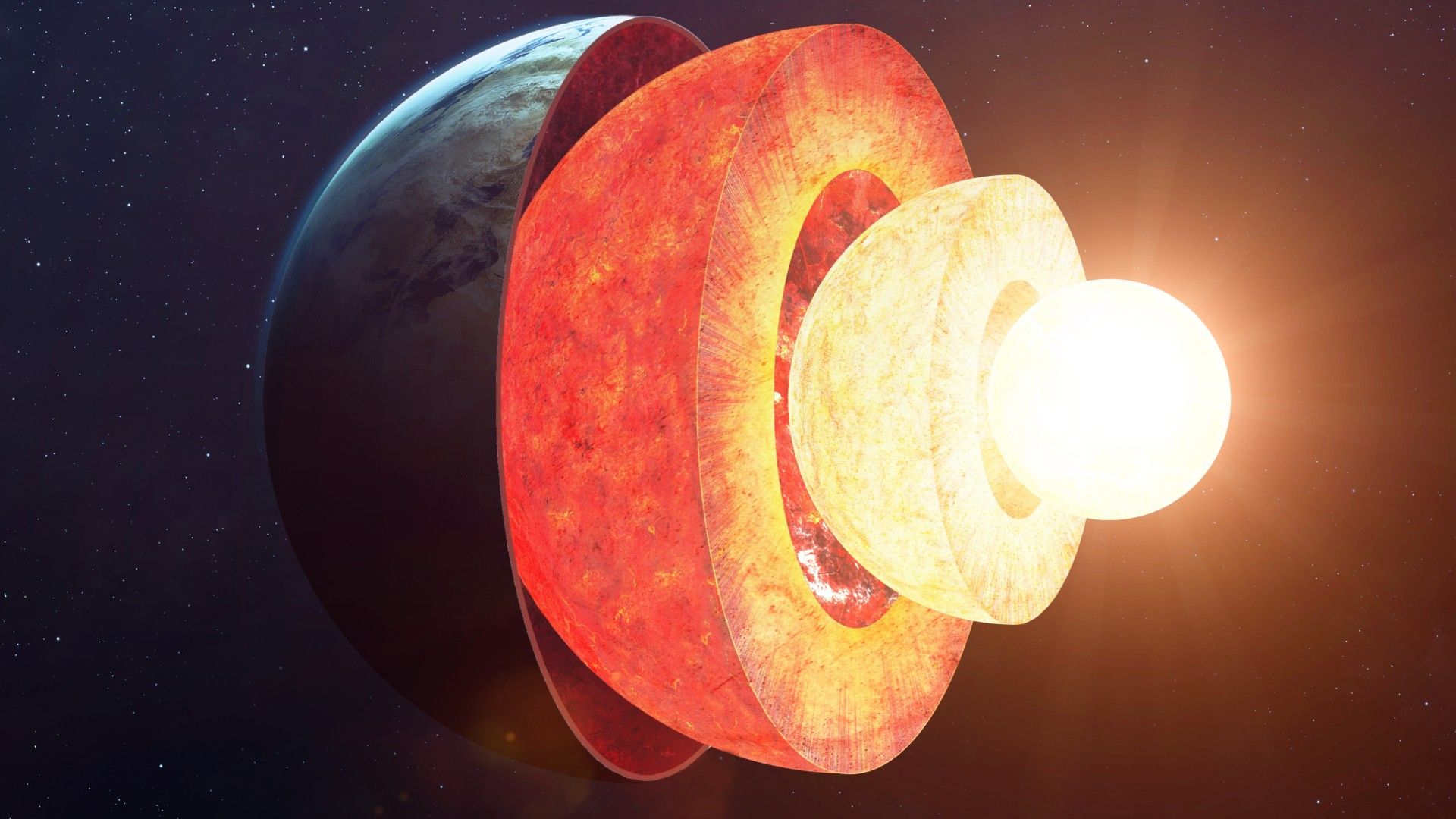
Exoplanet Interiors May Differ Radically From Earth's Structure
THE GIST: Exoplanets, particularly sub-Neptunes, may lack distinct cores due to miscibility of elements under extreme conditions.
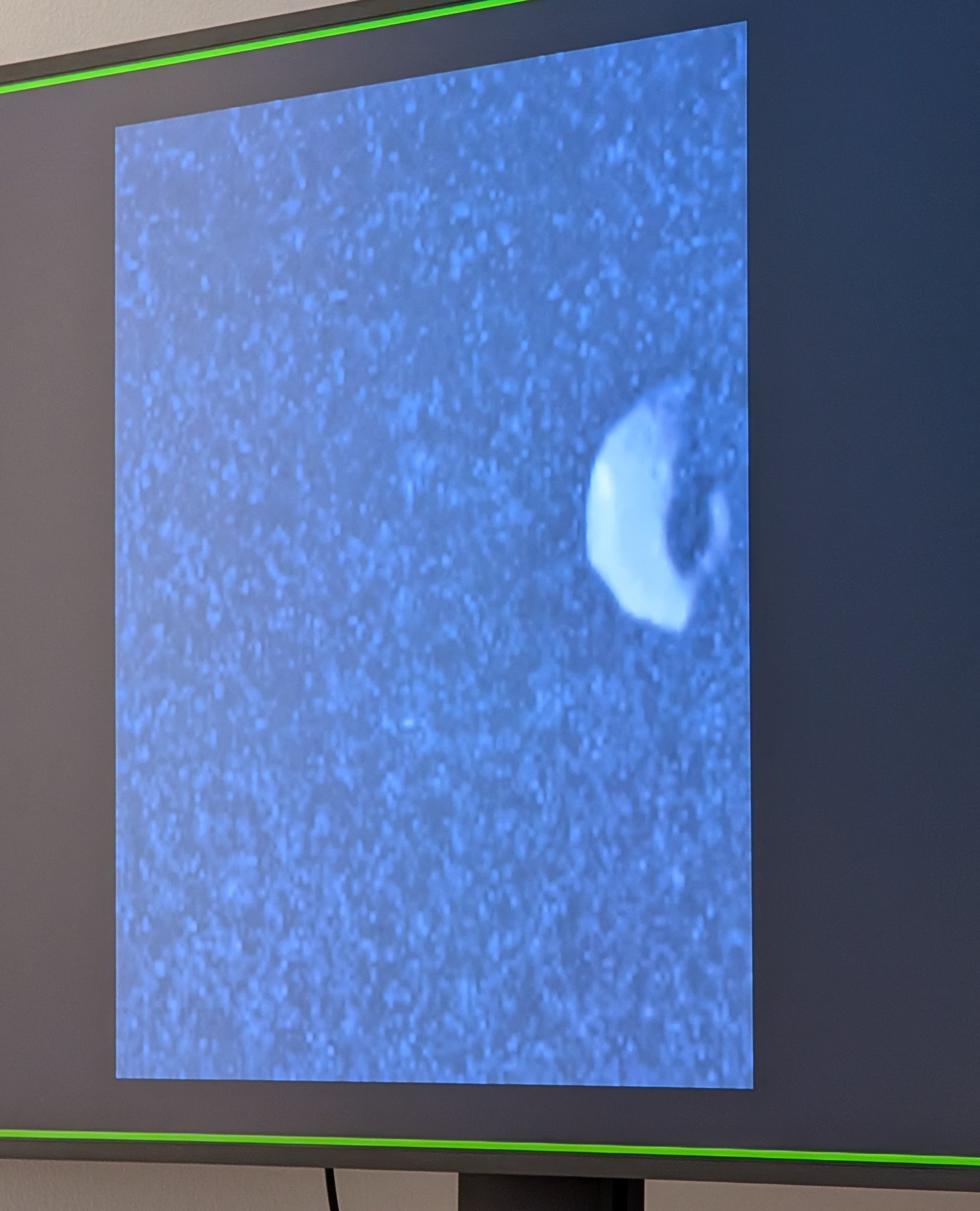
Juno Spacecraft Captures Detailed Images of Jupiter's Moon Thebe
THE GIST: NASA's Juno mission achieved the closest-ever approach to Jupiter's moon Thebe, revealing new details about its surface and contributing to understanding Jupiter's ring system.
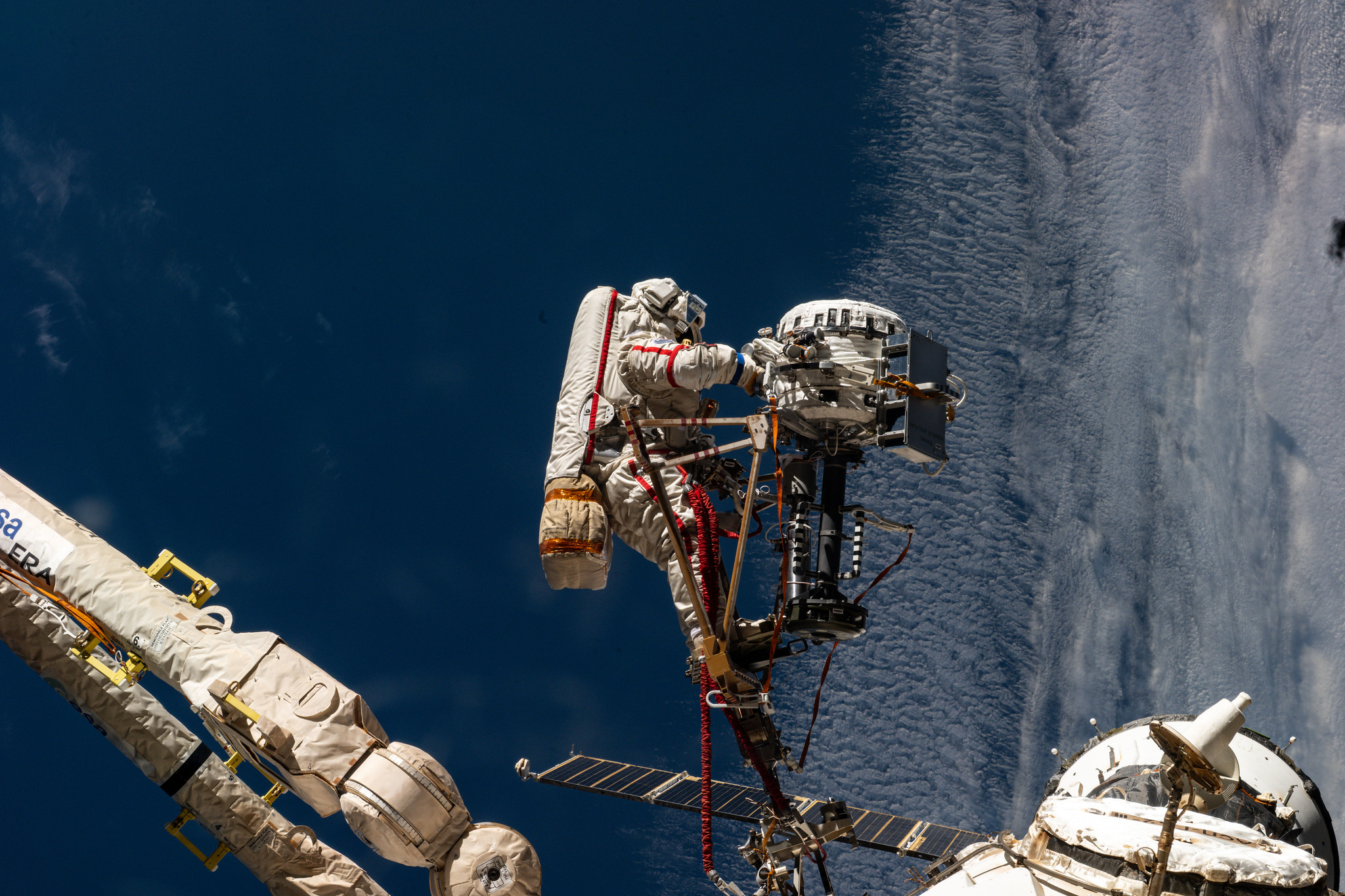
Roscosmos Cosmonauts Conduct Spacewalk Outside ISS
THE GIST: Two Roscosmos cosmonauts performed a spacewalk on May 27 to install hardware and conduct maintenance on the ISS.
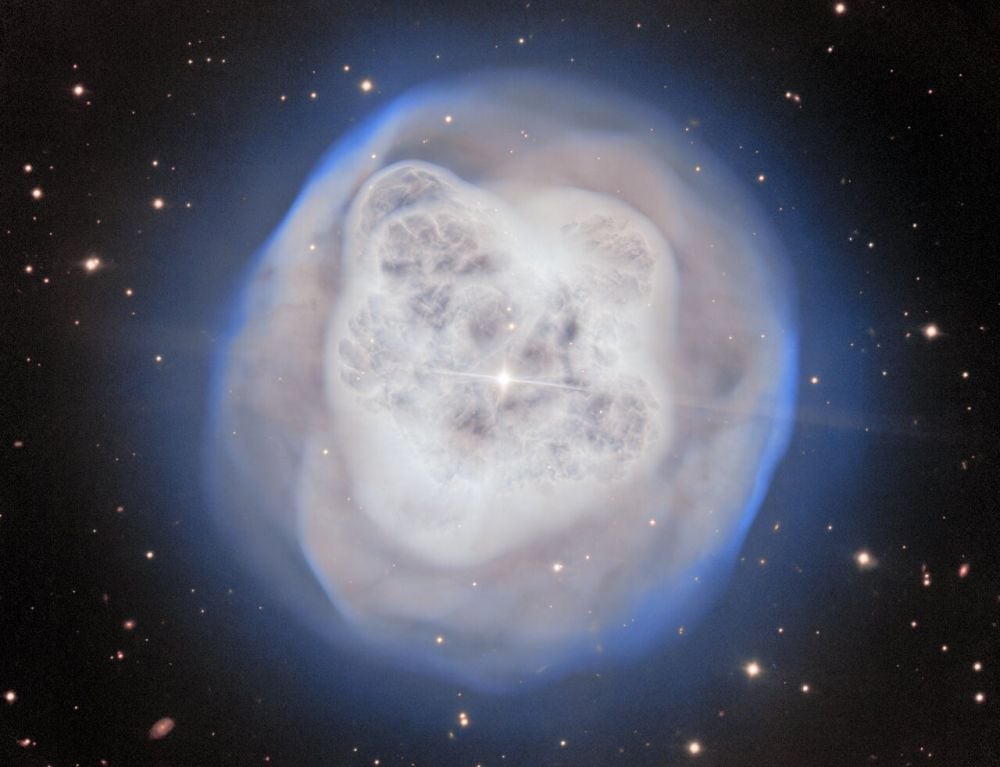
Crystal Ball Nebula's Binary Star Demise Revealed by JWST
THE GIST: The Crystal Ball Nebula's formation is attributed to a binary star system's death, revealing rings of dust through JWST infrared imaging.
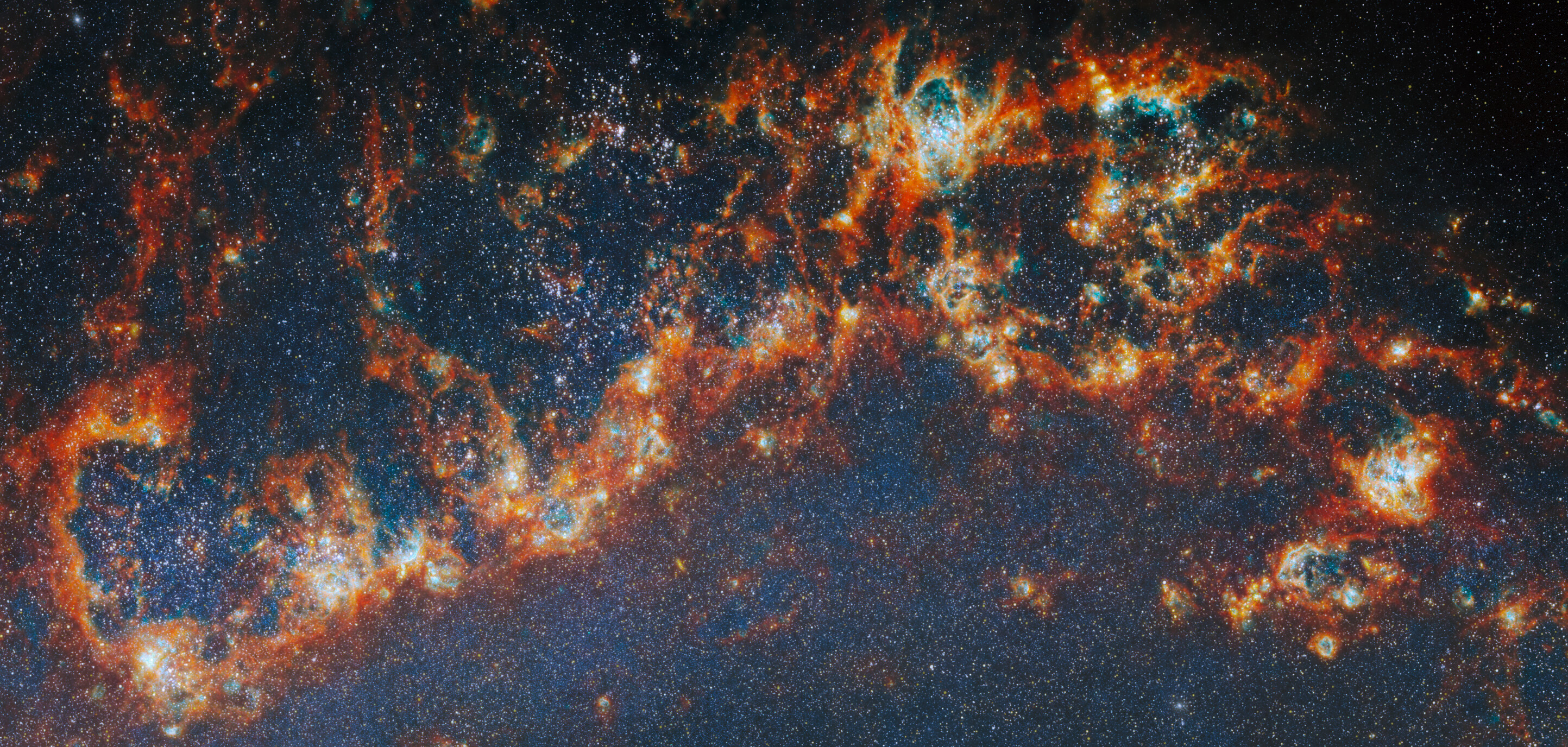
Webb Telescope Studies Star Cluster Evolution
THE GIST: The James Webb Space Telescope is studying nearly 9,000 star clusters in nearby galaxies to understand star formation and galactic evolution.

ESA's Prodex Programme Boosts Space Science
THE GIST: ESA's Prodex program supports scientific research in space, funding over 400 contracts with institutes and industry.
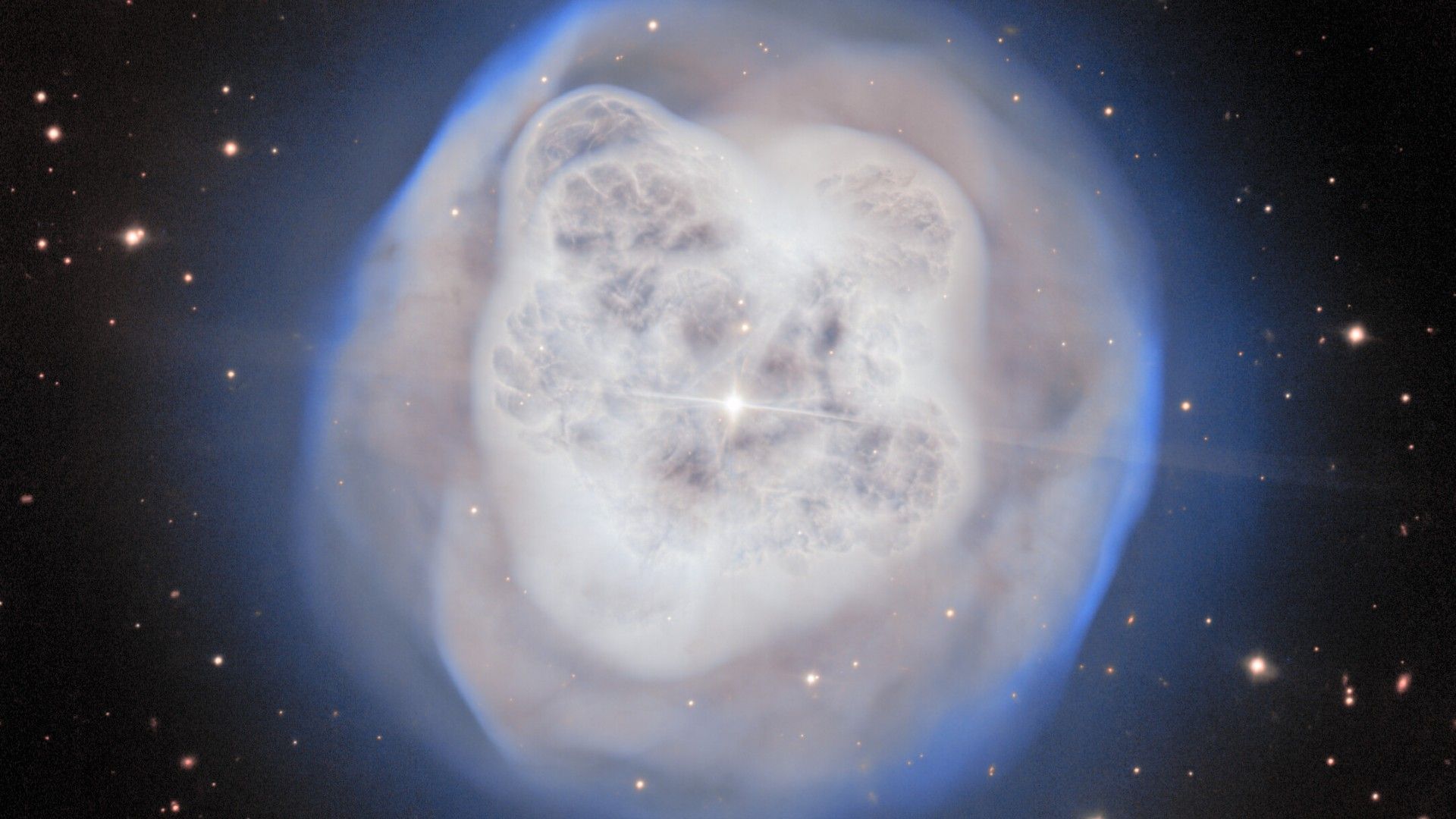
Gemini North Captures Dying Star's 'Crystal Ball' Nebula
THE GIST: Gemini North telescope captures the Crystal Ball Nebula (NGC 1514), a planetary nebula 1,500 light-years away.